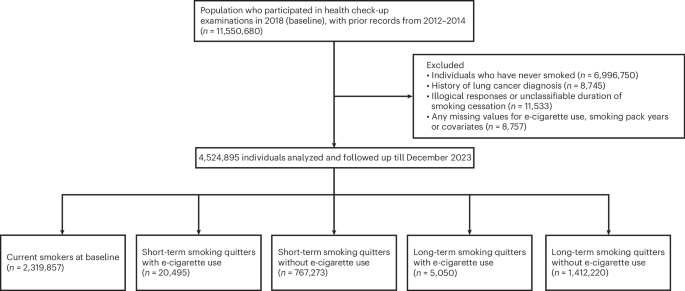
A recent large-scale retrospective analysis of 4.5 million adults in South Korea indicates that individuals who transition to electronic cigarettes after quitting combustible cigarettes may face a higher risk of lung cancer incidence and mortality compared to those who achieve complete smoking cessation. This finding, published in June 2026, highlights the complex health profile of nicotine delivery systems and their long-term impact on pulmonary health.
As a physician, I frequently discuss smoking cessation strategies with patients. The shift from traditional tobacco to electronic cigarettes—often termed “vaping”—is commonly perceived as a harm-reduction tool. However, this study adds to the growing body of clinical evidence suggesting that while vaping may be marketed as a bridge to cessation, it does not necessarily confer the same long-term health benefits as absolute abstinence from all inhaled tobacco and nicotine products. For those navigating the path to a smoke-free life, understanding these risks is essential for informed decision-making regarding personal health.
Understanding the Long-Term Risks of Vaping
The study, which tracked a massive cohort of 4.5 million individuals, provides a significant look at longitudinal health outcomes. By comparing patients who switched to electronic cigarettes against those who completely stopped smoking, researchers were able to isolate the impact of vaping on lung cancer risk. The data suggests that the physiological burden of e-cigarette use is not negligible, even in a population that has already moved away from traditional combustible cigarettes.
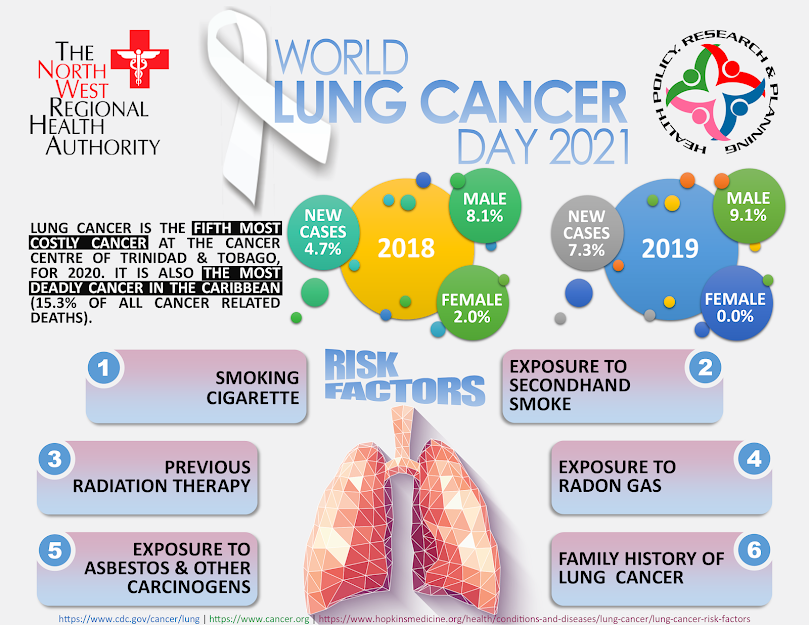
According to the World Health Organization, e-cigarettes are addictive and not without risk. While public health discourse often focuses on the immediate toxicity of traditional cigarettes, this new research serves as a reminder that the inhalation of aerosolized chemicals, flavorings, and nicotine can have independent, long-term consequences on respiratory health. The increased incidence of lung cancer observed in the study cohort underscores the need for caution, particularly for those who view vaping as a permanent lifestyle change rather than a temporary transition.
The Clinical Perspective on Smoking Cessation
In my clinical practice at Charité – Universitätsmedizin Berlin, I emphasize that the goal of smoking cessation is the total elimination of inhaled carcinogens. The Centers for Disease Control and Prevention (CDC) notes that while e-cigarettes may be less harmful to adults who smoke and are not pregnant, they are not risk-free, and most adults who use them continue to use cigarettes. This “dual use” pattern is a primary concern for public health experts, as it complicates the health profile of the patient and keeps them exposed to the harmful effects of traditional tobacco.
The Korean analysis specifically highlights that substituting one habit for another—rather than eliminating the habit entirely—may not fully mitigate the risk of developing lung cancer. For patients looking to quit, evidence-based methods remain the gold standard. These include nicotine replacement therapies (NRTs) such as patches, gums, and lozenges, as well as counseling and FDA-approved medications like varenicline or bupropion, which are designed to support cessation in a controlled, clinical manner.
What This Means for Public Health Policy
The implications of these findings extend beyond the individual patient and into the realm of healthcare policy. If electronic cigarette use is associated with higher lung cancer mortality, regulatory frameworks regarding the marketing and sale of these devices may require re-evaluation. The U.S. Food and Drug Administration (FDA) continues to oversee the regulation of tobacco products to protect public health, emphasizing that there is no safe tobacco product.
For policymakers, the challenge lies in balancing the potential for harm reduction against the risk of creating a new generation of nicotine-dependent individuals who face long-term health complications. This study provides a data-driven argument for focusing on absolute cessation rather than product substitution. As we look ahead, further research will likely focus on the specific components of e-cigarette liquids that contribute to these elevated risks, providing more granular guidance for both clinicians and the public.
Next Steps for Patients and Researchers
The scientific community is currently monitoring the ongoing impact of these findings. Future updates are expected as researchers continue to refine the data on long-term outcomes for e-cigarette users compared to non-users. Patients who are currently using e-cigarettes to manage their smoking habits are encouraged to schedule a consultation with their primary care physician to discuss safer, evidence-based alternatives for long-term cessation.
If you have questions about your own smoking cessation journey or are concerned about the health effects of nicotine products, I encourage you to reach out to your local health authorities or a qualified medical professional. Staying informed is the first step toward better health. Please share your thoughts or questions in the comments section below—I look forward to hearing from you.
Related reading