Samsung Foundry is on a path to return to profitability by the third quarter of 2026, shifting its financial outlook ahead of previous internal projections. After facing significant financial headwinds since 2022, the semiconductor manufacturing division is now benefiting from improved production yields and a surge in high-value orders, marking a potential turning point for the South Korean conglomerate’s chipmaking arm.
As the tech industry continues to demand more advanced processing power, Samsung’s ability to stabilize its foundry business is a critical development for the global supply chain. This shift represents a strategic pivot for the company, which has been working to scale its advanced manufacturing processes to compete more effectively in an increasingly crowded foundry market.
Improving Production Yields and Process Nodes
The primary driver behind this expected financial turnaround is the marked improvement in manufacturing yields for Samsung’s 2nm process nodes. Achieving consistent yields is the central challenge in semiconductor fabrication, as it dictates the cost-efficiency of mass production. As of the first quarter of 2026, yields for these advanced nodes have reportedly climbed past 60%. While the industry standard for optimal mass production economics is typically benchmarked at 70%, this progress signals that Samsung is closing the gap toward profitability.
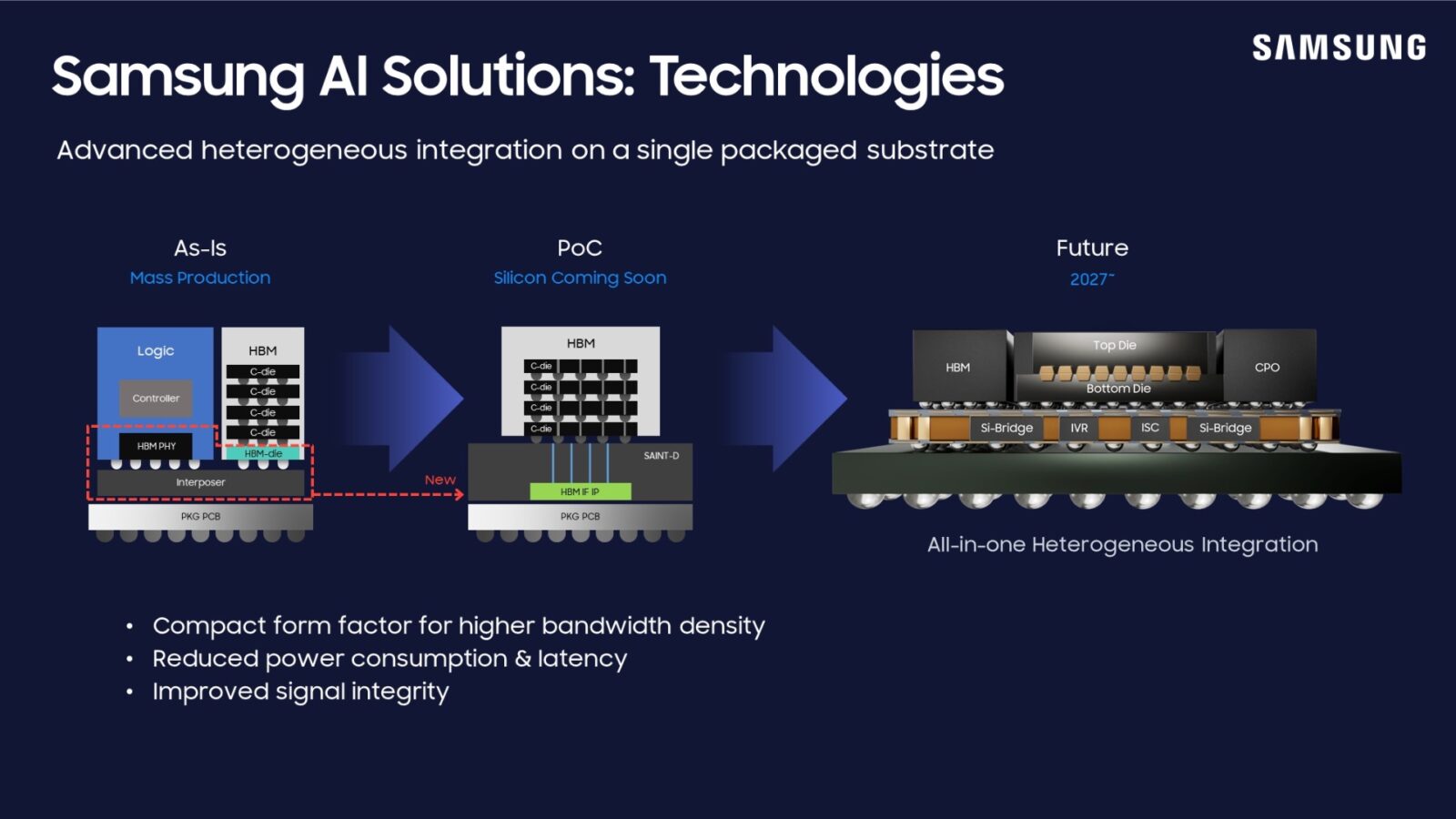
In addition to 2nm advancements, the division is seeing increased demand for the base dies used in HBM4 (High Bandwidth Memory) production. These components are essential for the next generation of artificial intelligence hardware, where memory bandwidth is a limiting factor for performance. By aligning its production capacity with these high-growth sectors, the foundry division is better positioned to monetize the massive capital investments it has poured into its chipmaking facilities over the last four years.
Strategic Growth in Chipmaking Orders
The outlook for the remainder of 2026 is bolstered by a significant uptick in projected orders. Internally, the company anticipates a 130% increase in 2nm-related orders compared to the previous year. This growth is supported by a diversified client base that includes major players in the automotive and consumer electronics spaces. Notably, the division has secured a high-profile order from Tesla, valued at approximately $16.5 billion, which serves as a cornerstone for its advanced chipmaking operations.
Beyond automotive applications, the company is positioning itself to serve a broad range of high-performance computing clients. While official client lists are often subject to non-disclosure agreements, industry analysis suggests that major entities such as Apple, NVIDIA, and Nintendo remain key targets for the foundry’s expanding capacity. Securing these high-volume, high-complexity contracts is vital for the division to offset the heavy depreciation costs associated with its high-end fabrication equipment.
What This Means for the Semiconductor Market
The transition from a period of heavy financial losses to a forecasted profit in Q3 2026 suggests that the foundry market is beginning to absorb the massive supply of advanced chips that manufacturers have been building toward. For years, Samsung’s foundry arm struggled to generate returns on its infrastructure spending, a reality that impacted the company’s broader financial performance. By moving the expected profitability date forward from the previously projected fourth quarter of 2026, Samsung is signaling a faster-than-anticipated recovery.

This development is also a testament to the resilience of the chaebol business model, which allows for long-term investment in capital-intensive sectors despite short-term market volatility. As the foundry division stabilizes, the focus will likely shift toward maintaining these yield benchmarks while scaling production to meet the aggressive order targets set for the latter half of the year.
The next major checkpoint for the company will be its Q3 2026 earnings release, where investors will be looking for confirmation that the foundry division has indeed crossed the threshold into profitability. We will continue to track these developments as more data regarding production volumes and client contracts becomes public. If you have insights or analysis on the semiconductor manufacturing landscape, I invite you to share your thoughts in the comments below.
Related reading