
The political landscape of Chihuahua, Mexico, continues to be a subject of intense scrutiny as observers examine the historical and contemporary influence of former federal administrations on state-level governance. The assertion that former President Felipe Calderón exerted a de facto influence over Chihuahua during his tenure (2006–2012) remains a recurring theme in political discourse regarding the state’s security strategy and federal-state relations.
For readers following Mexican political history, understanding the dynamics of the “war on drugs” is essential. The federal security strategy initiated in December 2006 marked a significant shift in how the Mexican state engaged with organized crime, with Chihuahua—and specifically Ciudad Juárez—becoming a focal point for federal intervention. According to the Secretaría de la Defensa Nacional (SEDENA), the deployment of federal forces to the region was a central pillar of the administration’s security policy during that period.
The Evolution of Federal Security Policy in Chihuahua
When discussing the governance of Chihuahua, it is important to distinguish between formal state authority and federal security intervention. The administration of Felipe Calderón implemented the “Operativo Conjunto Chihuahua” in 2008, a massive mobilization of military and federal police units aimed at curbing violence in the state. Data from the Instituto Nacional de Estadística y Geografía (INEGI) indicates that the state experienced a sharp escalation in homicide rates during this timeframe, which intensified the debate over the effectiveness of federal oversight and the autonomy of local institutions.
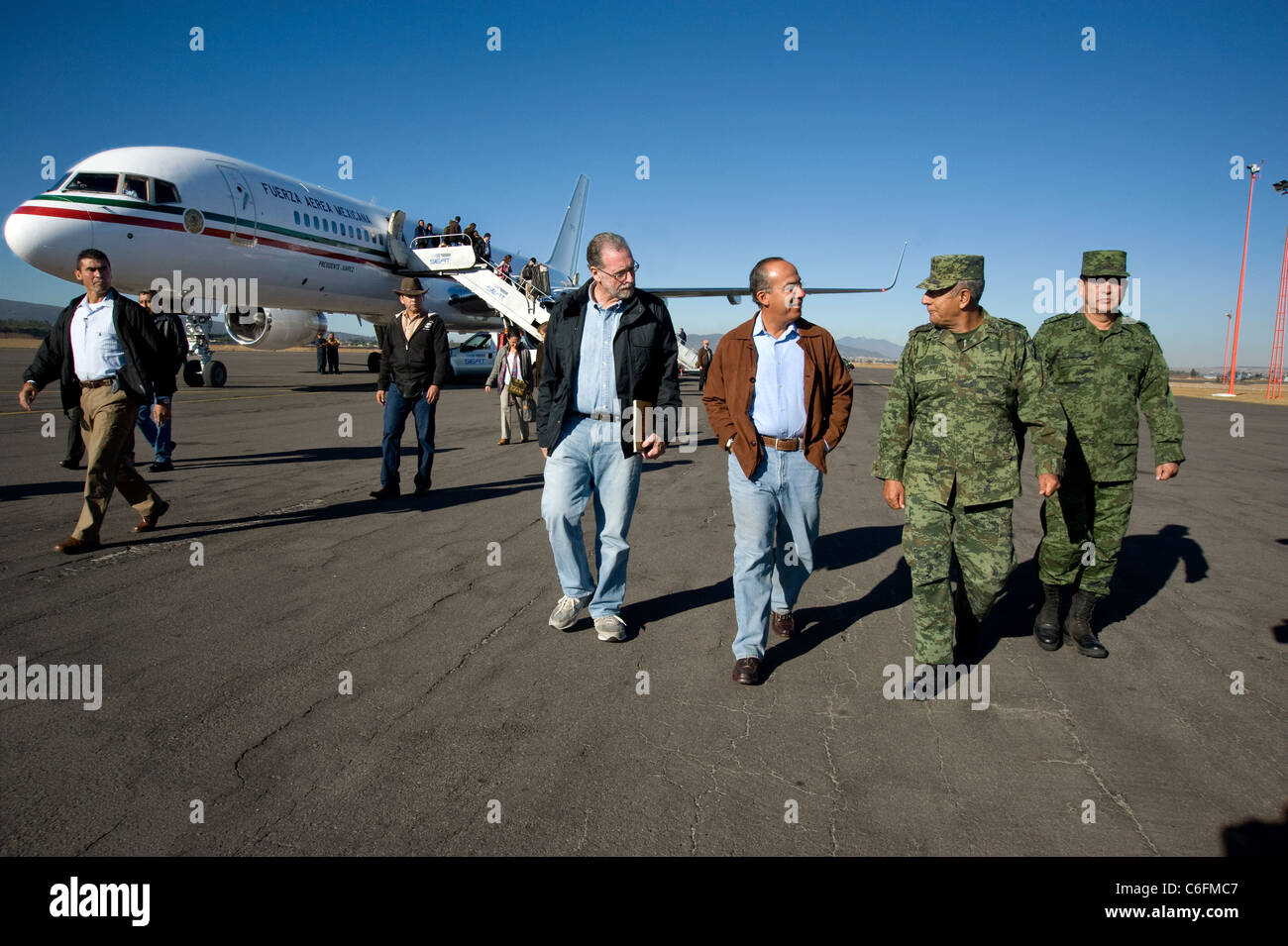
Critics of the era often point to the heavy reliance on military deployment as a form of federal encroachment on local governance. While the governor of Chihuahua held executive power at the state level, the presence of thousands of federal troops and federal police created a dual-authority dynamic. This period is frequently cited in political analysis as a moment where federal security mandates effectively superseded local policing priorities, leading to the “de facto” governance narrative that persists in journalistic and academic critiques today.
Historical Context and Political Implications
The legacy of this period continues to influence modern political debates in Mexico. The strategy employed in Chihuahua was characterized by a top-down approach, where federal agencies directed operations with limited coordination with municipal police forces. As noted in reports from the Comisión Nacional de los Derechos Humanos (CNDH), the intense militarization of the state during those years led to numerous complaints regarding human rights and the erosion of local civic governance.
Understanding why this matters requires looking at the institutional impact. The centralization of security decisions during the 2006–2012 period shifted the responsibility for public safety away from state and municipal authorities. This created a long-term structural dependency where Chihuahua became reliant on federal resources to maintain order, a trend that subsequent administrations have had to navigate.
Current Status and Institutional Oversight
Today, the governance of Chihuahua operates under a different framework, though the echoes of the past remain. Current state authorities continue to manage the balance between local policing and federal cooperation through the Secretaría de Seguridad y Protección Ciudadana (SSPC). For those interested in the official records of these past events, public archives and legislative reports from the Mexican Congress provide the most comprehensive look at the expenditures and operational mandates issued during the Calderón administration.
As the state moves forward, the focus remains on strengthening local institutions to ensure that public security is managed through democratic, civilian-led processes. Researchers and citizens looking for further information on the legal frameworks governing current federal-state security agreements can consult the Cámara de Diputados website, which hosts the legislative history of security reforms in Mexico.
We invite our readers to share their perspectives on the evolution of security policy in Chihuahua. As we continue to track developments in regional governance and federal-state relations, your insights are a vital part of the conversation. Please join the discussion in the comments section below.
Keep reading