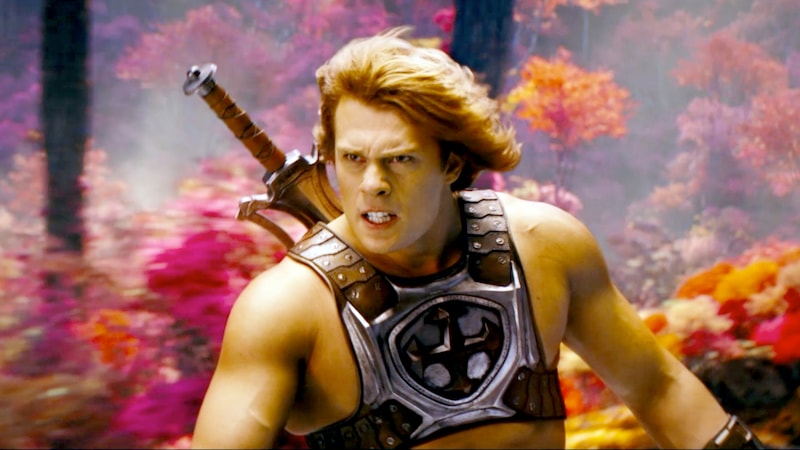
The cultural legacy of the 1980s action figure franchise He-Man and the Masters of the Universe continues to resonate in modern cinema, prompting discussions among critics and fans about the balance between nostalgia and contemporary storytelling. As the character remains a fixture in global pop culture, recent film releases and critical reviews examine how the “He-Man” archetype—once defined by hyper-masculine tropes—is being reinterpreted for modern audiences.
For many, the appeal of the franchise is rooted in its enduring presence since its debut by Mattel in 1982. According to historical records from Mattel’s official corporate archives, the Masters of the Universe line was instrumental in shaping the toy industry during the 1980s, eventually expanding into various animated series and feature films. Today, the challenge for filmmakers lies in updating these characters without alienating the core demographic of long-time collectors while simultaneously appealing to a new generation of cinema-goers.
Evolving the He-Man Archetype
Recent critical discourse highlights a shift in how the character is portrayed on screen. Rather than leaning exclusively into the “tough guy” aesthetic that dominated the 1980s, modern interpretations often introduce a softer, more nuanced approach. This shift in tone is frequently characterized by critics as a move toward “self-aware” storytelling, where filmmakers intentionally play with the genre clichés associated with sword-and-sorcery fantasy.
This re-evaluation of the character’s masculinity is not merely a stylistic choice; it reflects broader changes in how media entities manage legacy intellectual property. By injecting humor and vulnerability into the protagonist, creators attempt to bridge the gap between the original, earnest source material and the ironic, meta-textual style common in current blockbuster films. This approach allows the franchise to remain relevant in a crowded market where audiences are increasingly critical of one-dimensional hero narratives.
Fan Engagement and Nostalgia
The enduring interest in the franchise is perhaps best exemplified by the multi-generational collector base. Fans who grew up with the original cartoons and action figures often view these new cinematic outings through a lens of nostalgia, yet they remain vocal about their expectations for quality and faithfulness to the source material. For these individuals, the cinematic experience is often a communal event, bringing together various age groups who share a common history with the character.
This engagement is documented in the broader cultural landscape, where hobbyist communities continue to trade, discuss, and analyze the franchise’s evolution. These fan movements are significant because they provide the necessary momentum for studios to continue investing in the property. The ongoing popularity of the franchise is monitored by industry analysts who track box office performance and audience sentiment, noting that successful legacy reboots are often those that respect the past while daring to innovate.
Looking Ahead: The Future of the Franchise
As the film industry moves through the current summer release cycle, the discourse surrounding these types of legacy adaptations is likely to intensify. Audiences can expect further analysis on how studios balance the financial imperative of utilizing well-known brands with the creative desire to produce original, high-quality content. The next significant checkpoint for the franchise will involve upcoming financial disclosures from major production studios regarding their slate of future intellectual property investments, which are typically released in the following fiscal quarter.
Whether this trend of “softer” genre reboots will continue remains a subject of debate among film scholars and industry insiders. For now, the character remains a symbol of an era that continues to influence modern entertainment. We invite our readers to share their thoughts on the evolution of the He-Man franchise in the comments section below.