
The fragile ceasefire between Israel and Hezbollah remains under immense pressure as reports of continued military activity persist in southern Lebanon. Following a US-mediated agreement announced in Washington on Wednesday, June 3, 2026, the situation on the ground remains volatile, with both sides trading fire despite the diplomatic effort to stabilize the border region. The agreement, which seeks to establish security zones where Hezbollah operatives would be prohibited, is contingent upon a complete cessation of hostilities by the Iran-backed militia, according to the US State Department.
As the Editor of the World section here at World Today Journal, I have spent over 14 years monitoring the complexities of Middle Eastern geopolitics. The current standoff, often discussed in the context of Prime Minister Benjamin Netanyahu’s broader security policy, reflects the deep-seated tensions that have long defined the Israel-Lebanon border. While diplomats work to de-escalate, the reality for those on the ground is a continued cycle of strikes and counter-strikes that test the viability of the latest US-brokered ceasefire deal.
The Framework of the Agreement
The diplomatic roadmap announced last week aims to create “pilot” security zones within Lebanon. Under the terms of the agreement, these areas would be cleared of all non-state actors, with the Lebanese Armed Forces taking exclusive control. This buffer zone is intended to span the territory between the Israeli border and the Litani River, which lies approximately 30 kilometers—or 19 miles—to the north. The United States has committed to helping guide the transition of these security zones, provided that Hezbollah operatives evacuate the region, as reported by the BBC.
The agreement was reached after the fourth round of talks mediated by the United States. A joint statement issued by the participating parties underscored a rejection of any attempt by state or non-state actors to hold the future of Lebanon hostage. However, the efficacy of this agreement is heavily dependent on the “complete cessation” of attacks by Hezbollah, a group designated as a terrorist organization by Israel, the United Kingdom, and the United States.
Ongoing Hostilities and Regional Impact
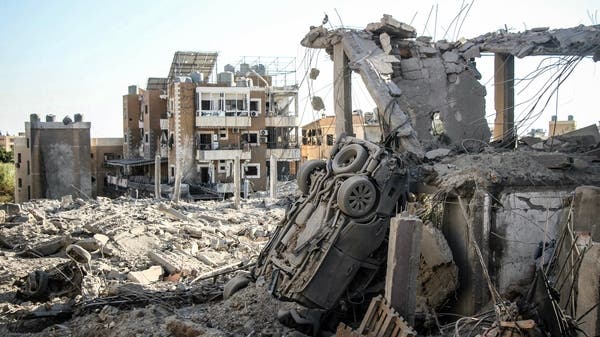
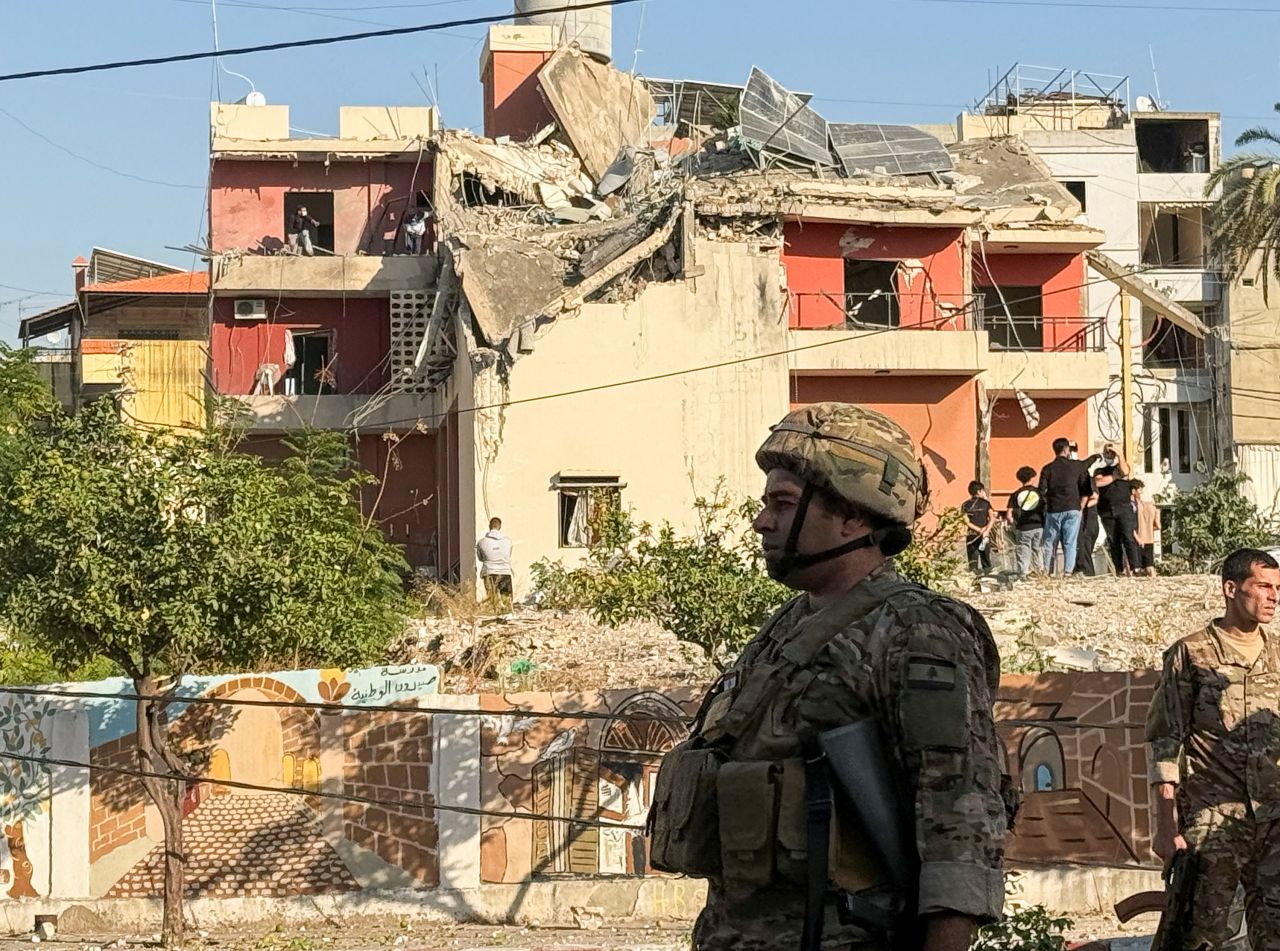
Despite the announcement of the ceasefire, the conflict has not ceased. Lebanese state media reported that Israeli strikes continued in the south of the country throughout the latter part of the week, with at least one strike resulting in casualties. These events occurred following an initial wave of strikes that claimed at least nine lives in southern Lebanon and retaliatory rocket fire from Hezbollah into northern Israel, according to information shared by the BBC on June 4, 2026.
The persistence of the conflict highlights the formidable nature of Hezbollah. As a Shia Muslim militia, political party, and social movement, the group maintains an armed force that is widely considered more powerful than the national Lebanese army. With support from Iran, Hezbollah has engaged in multiple conflicts with Israel, and its current involvement remains a primary factor in the regional security landscape. Recent reports indicate that while diplomatic channels remain open, there is significant skepticism regarding whether these talks can hold in the face of continued military operations.
What Happens Next
The immediate future of the ceasefire hinges on whether the Lebanese Armed Forces can effectively assume control of the proposed pilot zones and whether Hezbollah will adhere to the evacuation terms. Officials have not provided a specific timeline for the full implementation of the security zones, and the situation remains fluid. The Israeli government has signaled that military pressure may continue as long as the security of its northern border remains threatened.
For our readers, the best way to track these developments is to monitor official statements from the US Department of State and the Lebanese government. We will continue to provide updates as more verified information becomes available regarding the status of the security zones and any further diplomatic breakthroughs. Please feel free to join the conversation below; we welcome your insights on the evolving situation in the Middle East and the challenges of maintaining regional stability.
Related reading