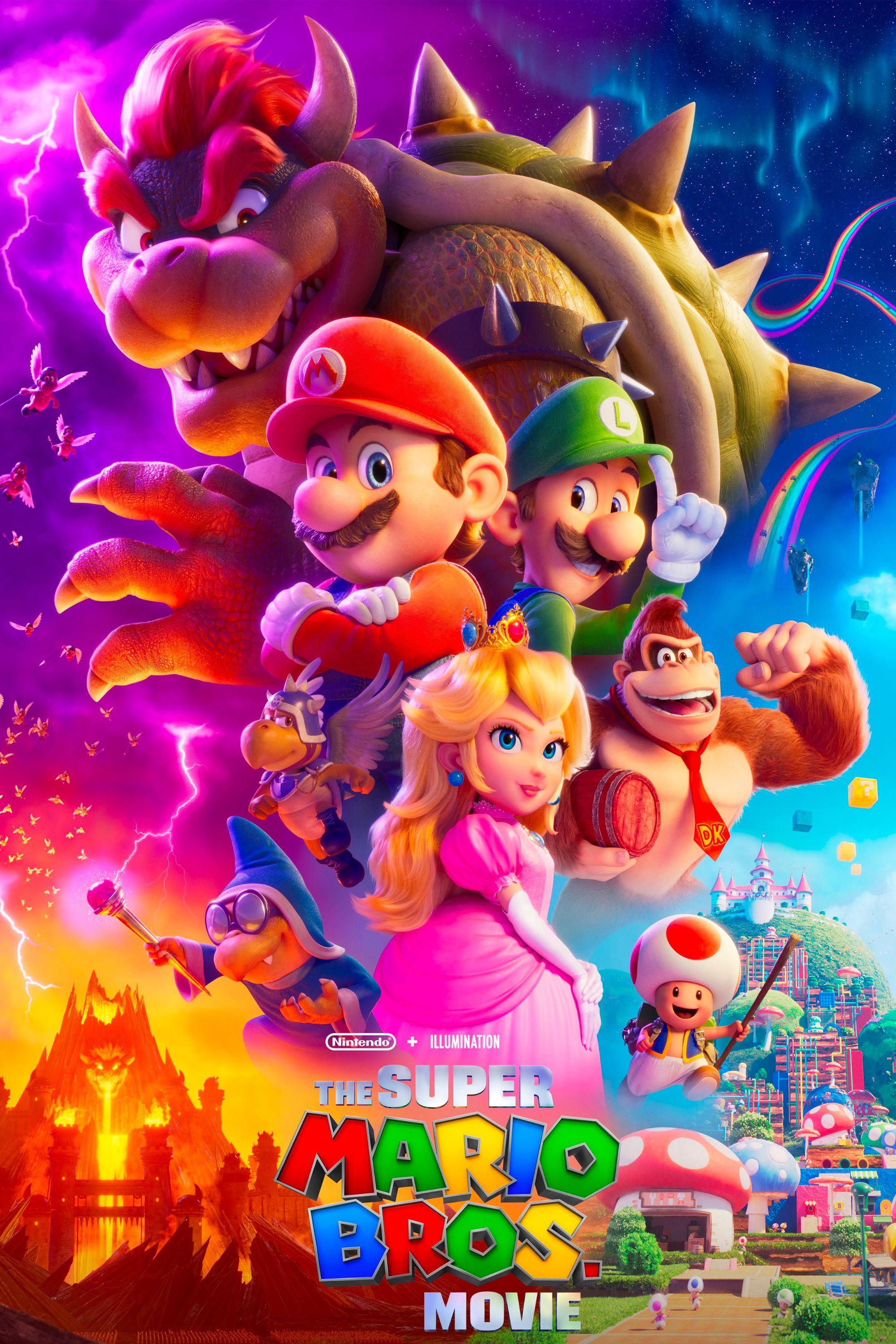
The animated feature The Super Mario Bros. Movie—widely recognized for its massive commercial success—achieved a major financial milestone by surpassing $1 billion in global box office revenue. This landmark achievement solidified its position as one of the most successful adaptations of a video game property in cinematic history, according to reports from Box Office Mojo.
As a sports journalist who has tracked the intersection of entertainment and global culture for over 13 years, I find the performance of this film particularly striking. It reflects a broader trend where intellectual properties rooted in interactive gaming are increasingly becoming the dominant force in mainstream cinema, mirroring the global reach of major international sporting events.
A Global Financial Phenomenon
The film’s journey to the $1 billion mark was rapid, reflecting intense international interest. Data confirmed by The Numbers indicates that the production, a collaboration between Illumination and Nintendo, drew significant audiences across both North American and international markets. The ability to bridge generational gaps—appealing to long-time fans of the Nintendo franchise while capturing a new, younger demographic—was central to its box office trajectory.
By reaching this specific financial threshold, the film joined an elite group of animated features. This success is not merely a matter of ticket sales; it serves as a key indicator of how studios are shifting their investment strategies to prioritize established gaming franchises that come with a pre-existing, highly engaged global audience.
What This Means for Future Adaptations
The scale of this commercial victory has immediate implications for the film industry. Studios are currently evaluating how to replicate this model, with several other gaming-inspired projects currently in development. According to analysis from The Hollywood Reporter, the success of this title demonstrated that faithful adaptation, combined with high-quality animation, can yield returns that rival the largest live-action blockbusters.
For fans and industry observers alike, the question remains: can other titles achieve similar results? The financial precedent set by this performance suggests that the “video game movie curse”—a long-held industry belief that games do not translate well to film—has been effectively dismantled. The focus has now shifted toward identifying which properties possess the narrative depth and visual identity required to sustain a feature-length production.
The Role of Intellectual Property
The partnership between Nintendo and Illumination provided a blueprint for future collaborations. By maintaining a high level of creative oversight, the original creators ensured that the film felt authentic to the source material. This approach is similar to how major sports leagues manage their own broadcasting and licensing rights to ensure brand integrity.

As we look toward future releases, the market will likely see an increase in direct involvement from original developers. This trend of “creator-led adaptation” is increasingly viewed as the standard for ensuring both quality and commercial longevity, as noted in updates from Variety.
Looking Ahead
While the initial theatrical run has concluded, the film continues to generate revenue through home media and streaming platforms. Fans waiting for official announcements regarding potential sequels or expanded cinematic universes should monitor updates from the official Nintendo corporate news portal. As of June 2026, the industry remains focused on how the studio will leverage this success to build a sustainable, long-term franchise.
I am interested to hear your thoughts on whether this film represents a new era for gaming-based cinema or if it was a singular success. Please feel free to share your perspectives and join the conversation in the comments section below.
Worth a look