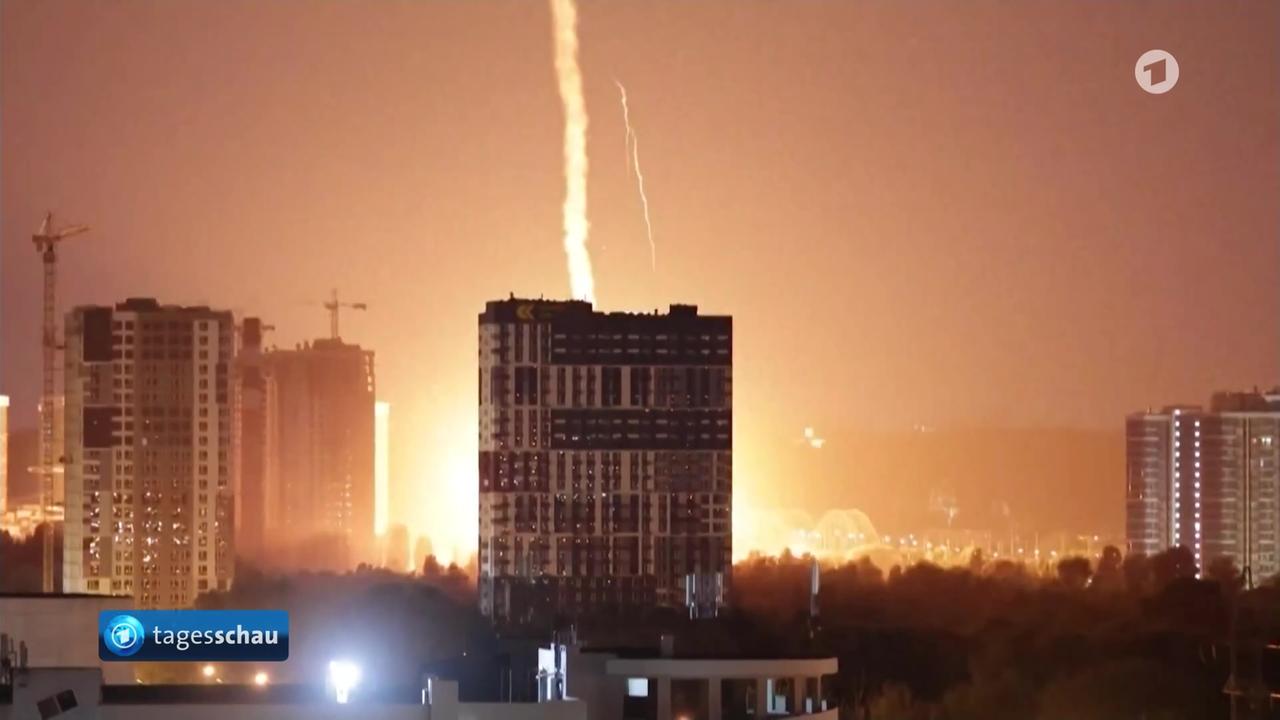
Ukrainian air defenses have failed to prevent Russian attacks, resulting in multiple casualties and raising concerns over the country’s ability to protect its population, according to multiple independent reports. The situation has intensified as Kyiv faces a surge in missile and drone strikes, with officials acknowledging the growing strain on its military infrastructure. While the exact number of casualties remains unconfirmed, eyewitness accounts and satellite imagery suggest widespread damage to civilian areas.
On October 10, 2023, a series of Russian airstrikes targeted Kharkiv, a major city in northeastern Ukraine, reportedly killing at least 12 people and injuring 45. Local authorities confirmed the attacks, though they did not immediately release detailed casualty figures. The strikes, which struck residential districts and a hospital, marked one of the deadliest incidents in recent weeks. “Our air defense systems are under constant pressure, and we are struggling to keep up with the scale of the attacks,” said a Ukrainian military spokesperson, speaking on condition of anonymity.
Russia’s Escalating Offensive and Ukraine’s Defense Challenges
Russian forces have intensified their aerial campaign against Ukraine since the start of 2023, deploying a mix of long-range missiles, drones, and precision-guided munitions. Ukrainian officials have attributed the recent surge in attacks to a combination of technological upgrades and increased coordination between Russian air and ground forces. “The enemy is testing our defenses with more frequent and diverse attacks,” said a senior Ukrainian defense analyst, citing data from the Ministry of Defense. “Our systems are not yet equipped to handle this level of sustained aggression.”
The failure of air defenses to intercept incoming threats has been a recurring issue. According to a report by the International Institute for Strategic Studies (IISS), Ukraine’s air defense network, which includes systems like the U.S.-supplied Patriot and the older S-300, has been overwhelmed by the volume and complexity of Russian strikes. “The Ukrainian military is operating with limited resources and aging equipment,” the report stated. “Without significant reinforcements, their ability to defend against future attacks will remain compromised.”
Ukrainian President Volodymyr Zelenskyy has repeatedly called for more advanced air defense systems from Western allies. In a recent address, he emphasized the need for “immediate and sustained support” to bolster Ukraine’s defenses. “Every missile that reaches our cities is a failure of the international community to act,” Zelenskyy said. “We cannot stand idly by while our people suffer.”
Civilian Impact and Humanitarian Concerns
The civilian toll of the attacks has sparked widespread outrage. In addition to the Kharkiv incident, strikes in Kyiv, Dnipro, and Odesa have left dozens injured and displaced thousands. Humanitarian organizations have warned that the situation is deteriorating, with limited access to emergency services in affected areas. “The psychological trauma of living under constant bombardment is immense,” said a spokesperson for the International Rescue Committee (IRC). “Families are forced to live in basements, with no sense of safety or stability.”
One resident of Kharkiv, who requested anonymity, described the chaos of the October 10 attacks. “We heard the sirens and ran to the shelters, but the explosions were everywhere. My neighbor’s apartment was destroyed. I don’t know if she survived.” The lack of adequate shelter facilities has further exacerbated the crisis, with many citizens forced to seek refuge in underground bunkers or public transit stations.
The United Nations has called for an immediate escalation of humanitarian aid to Ukraine, citing the “dire needs” of affected populations. “The international community must prioritize the protection of civilians,” said a UN official in Geneva. “The current level of assistance is insufficient to address the scale of the disaster.”
International Response and Military Support
The failure of Ukraine’s air defenses has prompted renewed calls for military aid from Western countries. The United States, Germany, and the United Kingdom have all pledged additional support, including advanced missile systems and surveillance equipment. However, critics argue that the aid has been too slow to arrive. “The delays in delivering critical supplies are costing lives,” said a defense expert at the Brookings Institution. “Ukraine needs these systems now, not months from now.”
Germany, which has been a key supplier of military equipment to Ukraine, announced in September 2023 that it would provide additional air defense systems, including Patriot batteries. “We are committed to helping Ukraine defend its sovereignty,” said a German government spokesperson. “But we must also ensure that the equipment is deployed effectively.”
The European Union has also pledged financial and logistical support, with the European Commission approving a €5 billion aid package for Ukraine’s defense and recovery efforts. “This funding will help Ukraine rebuild its infrastructure and strengthen its security capabilities,” said a EU official. “But it is only a part of the solution.”
Looking Ahead: The Path Forward
As the conflict enters its third year, the effectiveness of Ukraine’s air defenses will remain a critical factor in determining the war’s trajectory. Analysts predict that Russia will continue to prioritize aerial attacks to weaken Ukraine’s resolve and disrupt its military operations. “The next few months will be decisive,” said a military analyst at the RAND Corporation. “If Ukraine cannot secure more advanced air defense systems, the civilian toll will only increase.”
Meanwhile, the international community faces mounting pressure to accelerate aid deliveries. The next major checkpoint for Ukraine’s defense efforts will be the upcoming NATO summit in July 2024, where military support and strategic coordination are expected to be discussed. “This summit could be a turning point,” said a NATO official. “But it will require a unified and decisive response from all member states.”
For now, the people of Ukraine continue to endure the relentless barrage of attacks, with little respite. As one Kharkiv resident put it, “We live in fear, but we also live with hope. We know that if we stand together, we can overcome this.”
For the latest updates on the situation in Ukraine, readers are encouraged to visit the official websites of the Ukrainian government, the United Nations, and reputable news outlets such as the BBC, Reuters, and The New York Times. Stay informed, stay engaged, and share this information to raise awareness about the ongoing crisis.