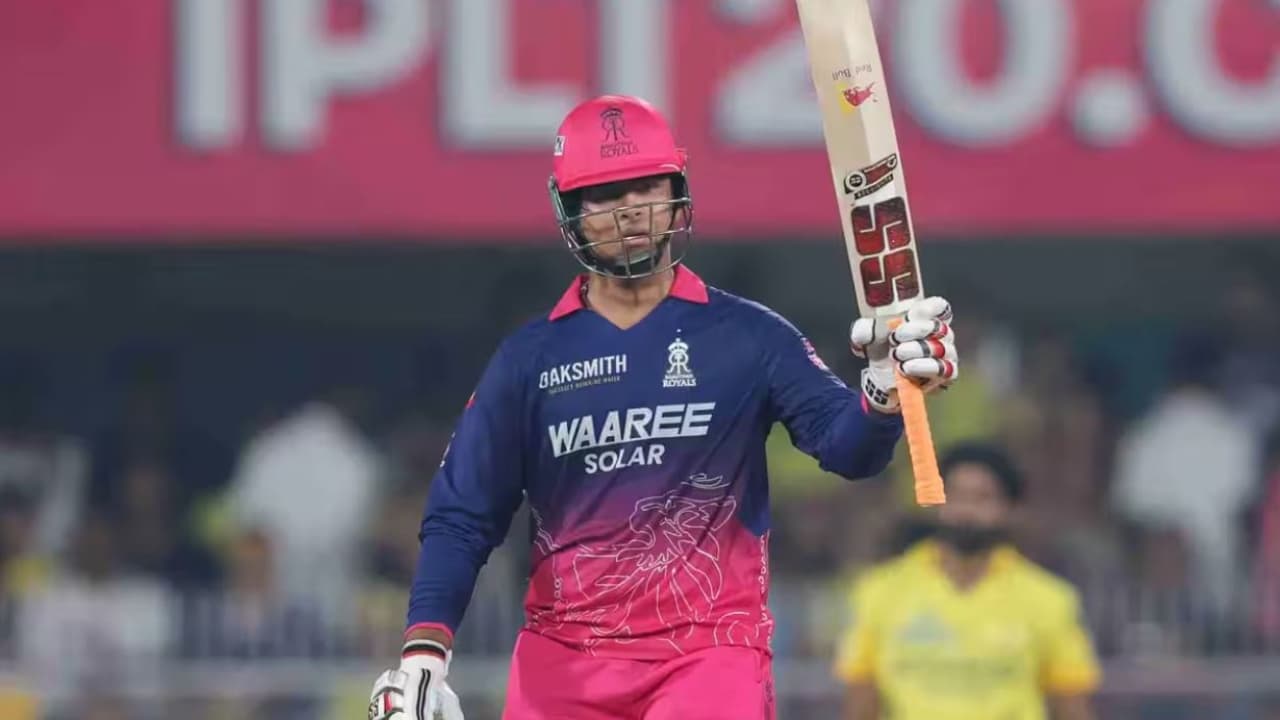
At just 15 years old, Vaibhav Sooryavanshi has emerged as one of the most talked-about prospects in Indian cricket. Born on March 27, 2011, in Samastipur, Bihar, the left-handed batter has rapidly ascended through the domestic ranks, setting records that have drawn both widespread acclaim and critical scrutiny regarding the current state of professional cricket.
Sooryavanshi’s career trajectory has been defined by his early entry into elite competition. According to ESPNcricinfo, he made his first-class debut in January 2024 and currently holds the distinction of being the youngest Indian List A debutant. His participation in the Indian Premier League (IPL) for the Rajasthan Royals has further solidified his status as a precocious talent, marking him as the youngest player to debut in the tournament at the age of 13. His performance statistics reflect a player who has already demonstrated significant aptitude across formats, with a career List A average of 44.12 and a T20 average of 43.16.
The Rise of a Young Talent
The journey to professional cricket began early for Sooryavanshi. His father, Sanjiv, played a fundamental role in his development, recognizing his son’s potential when he began training at the age of four. To ensure high-quality coaching, Sooryavanshi was enrolled at the GenNex Cricket Academy in Patna under the guidance of coach Manish Ojha. The dedication required to reach this level was immense; Sooryavanshi and his father frequently traveled approximately 100 km from Samastipur to Patna on alternate days for training sessions.

His development was not limited to domestic Indian cricket. Sooryavanshi has been a part of India’s representation on the international stage, including the ICC U19 World Cup in 2026, where the team emerged victorious. His transition from a young trainee in Bihar to a recognized athlete with a presence in the IPL and international youth setups highlights the evolving pathways for young cricketers in the modern era.
Debates on the Modern Game
The rapid rise of players like Sooryavanshi has occurred alongside intense discussions about the nature of T20 cricket and its influence on the sport’s traditional foundations. Critics, including veteran figures in the game, have occasionally voiced concerns that the prioritization of T20 leagues might overshadow the technical rigors required for longer formats like Test cricket. While these discussions often center on the development of players, they also touch upon the broader commercialization of the sport.
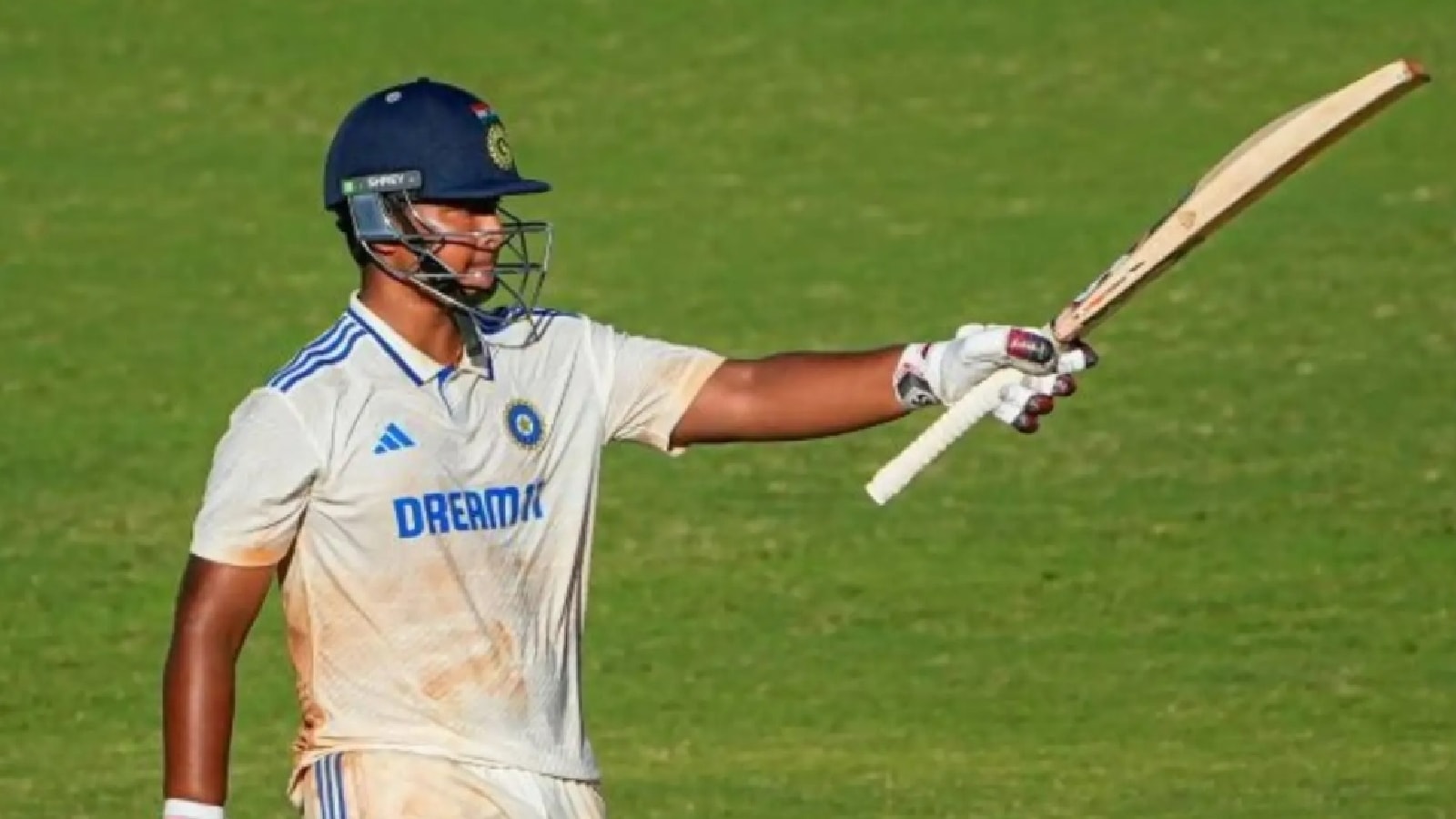
For Sooryavanshi, the focus remains on his performance. His ability to score heavily in limited-overs cricket—evidenced by his four centuries and five fifties in T20s—serves as both a testament to his skill and a point of interest for analysts who track the evolution of batting techniques in the T20 age. As he continues to compete for the Rajasthan Royals, his progress serves as a case study for how modern academies and professional teams integrate younger players into high-pressure environments.
Institutional Support and Future Outlook
The transition of a minor into the professional sporting world involves significant logistical and personal support systems. The Board of Control for Cricket in India (BCCI) has historically played a central role in managing the development and welfare of emerging athletes. For young players, this involves managing the balance between competitive commitments and personal well-being. The support structures provided to players like Sooryavanshi underscore the importance the national board places on nurturing talent from diverse regions, including those outside the traditional metropolitan hubs of Indian cricket.
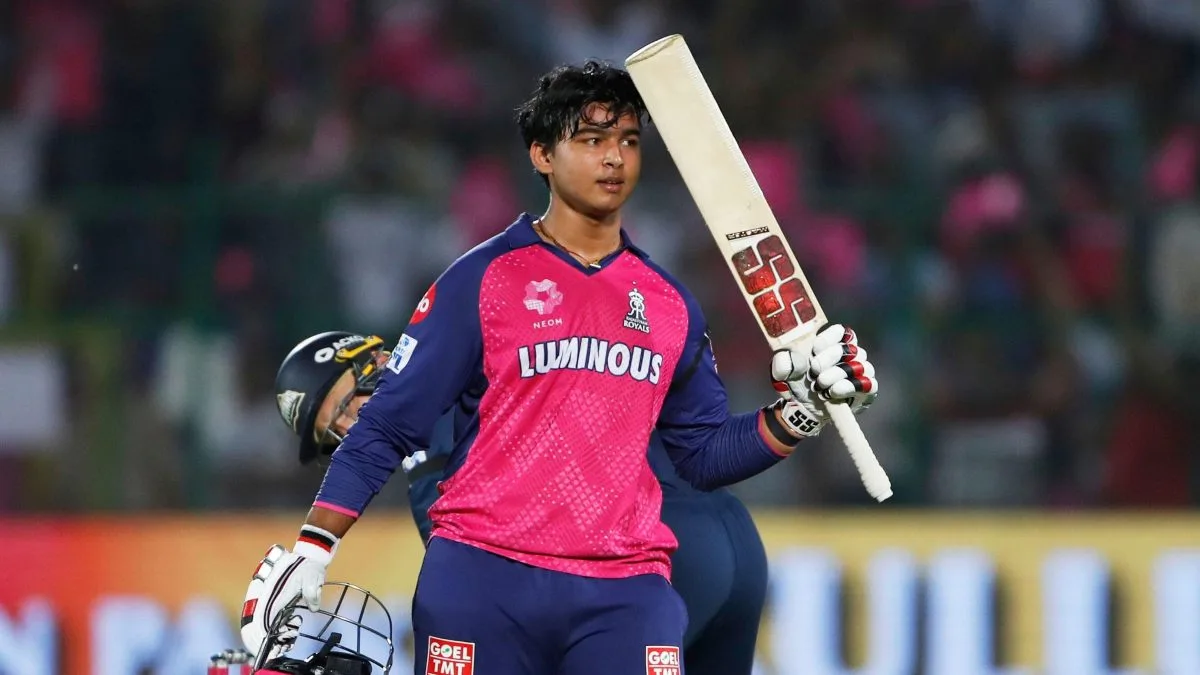
As Sooryavanshi looks toward future domestic and international campaigns, the cricketing community remains focused on his development. The next major checkpoint for many young Indian cricketers is the domestic season, where consistent performances in the Ranji Trophy and other multi-day competitions often serve as the primary indicator of a player’s readiness for the rigors of international Test cricket.
Whether this young talent from Bihar will successfully bridge the gap between T20 success and sustained international performance remains to be seen. For now, his statistics—including a top score of 144 in T20 cricket—position him as a significant figure to watch in the coming seasons. We invite our readers to share their thoughts on the development of young athletes in the modern era in the comments section below.