
Omega-3 fatty acids are essential polyunsaturated fats that the human body cannot produce on its own, making dietary intake critical for heart, brain, and eye health. While oily fish like mackerel are widely recognized as primary sources, numerous plant-based and alternative food options offer significant concentrations of these vital nutrients. Incorporating a diverse range of these foods into your daily regimen is an effective strategy for maintaining recommended levels of eicosapentaenoic acid (EPA) and docosahexaenoic acid (DHA).
According to the National Institutes of Health (NIH) Office of Dietary Supplements, omega-3s are vital for structural components of cell membranes and play a crucial role in managing inflammation throughout the body. While the most direct sources of EPA and DHA are marine-based, alpha-linolenic acid (ALA)—a third type of omega-3—is found abundantly in plant sources and can be partially converted by the body into EPA and DHA, though the conversion rate is generally low. Learn more about the role of omega-3 fatty acids in health here.
Plant-Based Sources of Omega-3s
For those seeking to diversify their intake beyond seafood, several plant-based foods provide a robust supply of ALA. Walnuts, for instance, are one of the most accessible sources of plant-derived omega-3s. A single ounce of English walnuts contains approximately 2.5 grams of ALA. These nuts are versatile and can be easily incorporated into salads, oatmeal, or consumed as a snack.
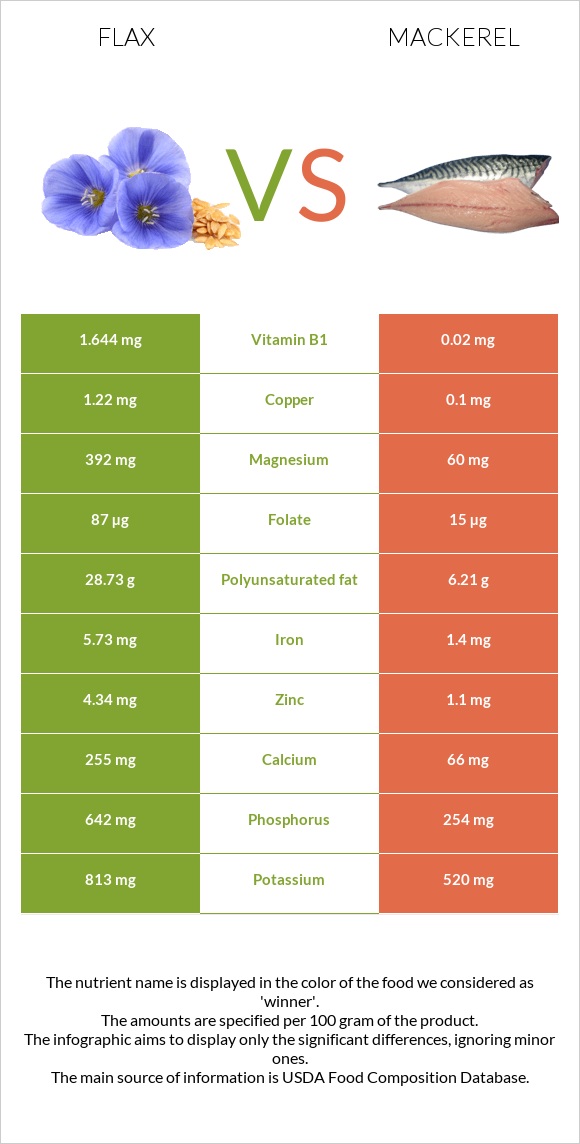
Flaxseeds and chia seeds represent two other nutritional powerhouses. Flaxseeds provide a dense concentration of ALA, but to ensure the body absorbs the nutrients effectively, they should be consumed in ground form rather than whole. Chia seeds are similarly impressive, offering a high fiber content alongside their fatty acid profile. Both seeds can be added to smoothies, yogurt, or baked goods without significantly altering the flavor profile of the dish.
Alternative Marine and Seed Oils
Beyond whole foods, specific oils serve as concentrated vehicles for omega-3 delivery. Flaxseed oil is perhaps the most potent plant-based source, though it is sensitive to heat and should generally be used in dressings or drizzled over finished dishes rather than for frying. Hemp seeds and hemp oil also provide a favorable ratio of omega-3 to omega-6 fatty acids, contributing to a balanced nutritional profile.

It is important to note that while plant sources are excellent for ALA, they do not provide the direct EPA and DHA found in fatty fish. The American Heart Association (AHA) continues to recommend eating a variety of fish—at least two servings per week—to ensure adequate intake of the long-chain omega-3s that are most directly linked to cardiovascular benefits. Read the American Heart Association’s guidance on fish consumption.
Practical Strategies for Daily Intake
To maximize the health benefits of omega-3s, consistency is more important than occasional high-dose consumption. Preparing meals that combine these sources—such as a salad topped with walnuts and chia seeds or a smoothie fortified with ground flax—can help bridge the gap for those who do not consume fish regularly.
For individuals with specific medical conditions or those considering supplements, it is essential to consult with a healthcare provider. High doses of omega-3 supplements can interact with certain medications, including blood thinners, and may not be appropriate for everyone. Always verify your specific nutritional needs through blood work or professional medical consultation rather than relying solely on dietary trends.
Monitoring Your Nutritional Status
As of June 2026, public health organizations continue to emphasize the importance of a balanced diet over the reliance on single “superfoods.” The most reliable way to assess your omega-3 status is through professional medical evaluation. If you have concerns about your intake, schedule a consultation with a registered dietitian or your primary care physician to discuss whether your current diet is meeting your specific health requirements.
We invite our readers to share their experiences with plant-based omega-3 integration in the comments section below. Have you found specific recipes that make it easier to reach your daily nutritional goals? Your insights help our community grow more informed together.
Keep reading