
Campari Group, the Italian multinational beverage company, has initiated a move to refinance its existing debt through the issuance of a 500 million euro bond. The strategic financial maneuver is designed to optimize the group’s capital structure and extend its debt maturity profile, according to official company disclosures regarding the offering.
As part of this capital markets transaction, the company has appointed BNP Paribas and Deutsche Bank to serve as dealer managers for the bond issuance. This financing activity follows a period of significant international growth for the Milan-based firm, which manages a diverse portfolio of spirits, wines, and soft drinks, including its namesake bitter aperitif. The move allows the group to secure liquidity in a fluctuating interest rate environment, maintaining the financial flexibility necessary to support its long-term corporate objectives.
Understanding the Debt Refinancing Strategy
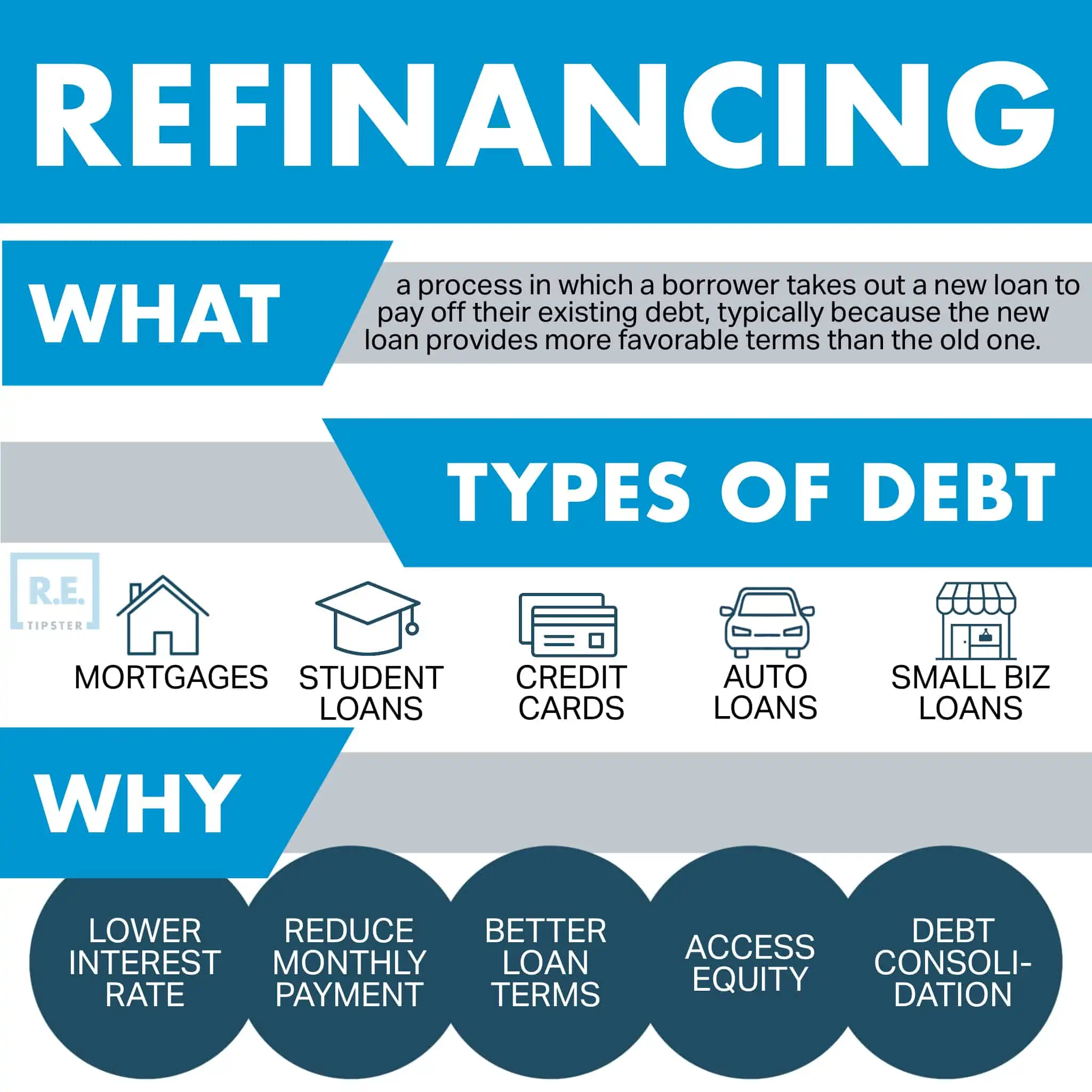
For a multinational organization like Campari Group, debt refinancing is a standard practice used to manage the costs of borrowing and ensure that payment schedules align with cash flow projections. By issuing new bonds, the company can settle older obligations or replace existing credit facilities with debt that potentially offers more favorable terms or a longer timeline for repayment. This approach is essential for maintaining a stable balance sheet while the company continues its global distribution efforts across more than 190 countries, as noted in the firm’s historical profile.
The decision to engage major financial institutions like BNP Paribas and Deutsche Bank reflects the scale of the operation and the necessity for expert oversight in international bond markets. These institutions act as intermediaries, helping the issuer navigate regulatory requirements and investor relations to ensure the successful placement of the 500 million euro offering. For investors and market analysts, such actions often signal a proactive approach to risk management, particularly for a company that has historically balanced organic growth with strategic acquisitions.
Corporate Context and Market Presence
Campari Group, headquartered in Italy, has seen its brand reach expand significantly since its origins in 1860. The company’s operations are heavily influenced by its international footprint, which necessitates robust financial planning. While the company has faced complex market conditions in recent years—including the suspension of investments in Russia following the events of February 2022—it has continued to prioritize operational stability and brand development globally.
The current bond issuance is a reflection of the company’s ongoing efforts to maintain its market position as a leader in the spirits industry. By effectively managing its debt, the group ensures that it can continue to invest in its core brands and navigate the economic pressures that affect multinational beverage manufacturers. The transparency of this refinancing process is a key component of the company’s relationship with its shareholders and the broader financial community.
Financial Outlook and Next Steps
The success of the 500 million euro bond offering will depend on market appetite and current economic indicators. As of June 2026, the company continues to focus on its core business strategies, which include the marketing and distribution of its signature red bitter and a wide array of other premium beverage brands. Investors are typically advised to monitor official filings and press releases from the Campari Group for updates on the final terms of the issuance, including the interest rate and the maturity date of the new notes.
The next confirmed checkpoint for stakeholders will be the official announcement regarding the final pricing and allocation of the bonds, which will be released through regulatory channels. For those following the company’s financial trajectory, these documents will provide the definitive details regarding the impact of this refinancing on the group’s overall leverage and interest expense. As the situation develops, we encourage readers to share their insights or questions in the comments section below regarding the broader implications of corporate refinancing in the current global market.
Keep reading