The explosive growth of artificial intelligence is slamming into local power grids across the United States, sparking a fierce clash over soaring electricity bills and system reliability. Energy policy experts and regulators warn that the staggering power requirements of new data centers are directly inflating utility costs for everyday consumers, transforming a technical infrastructure issue into a sharp political flashpoint.
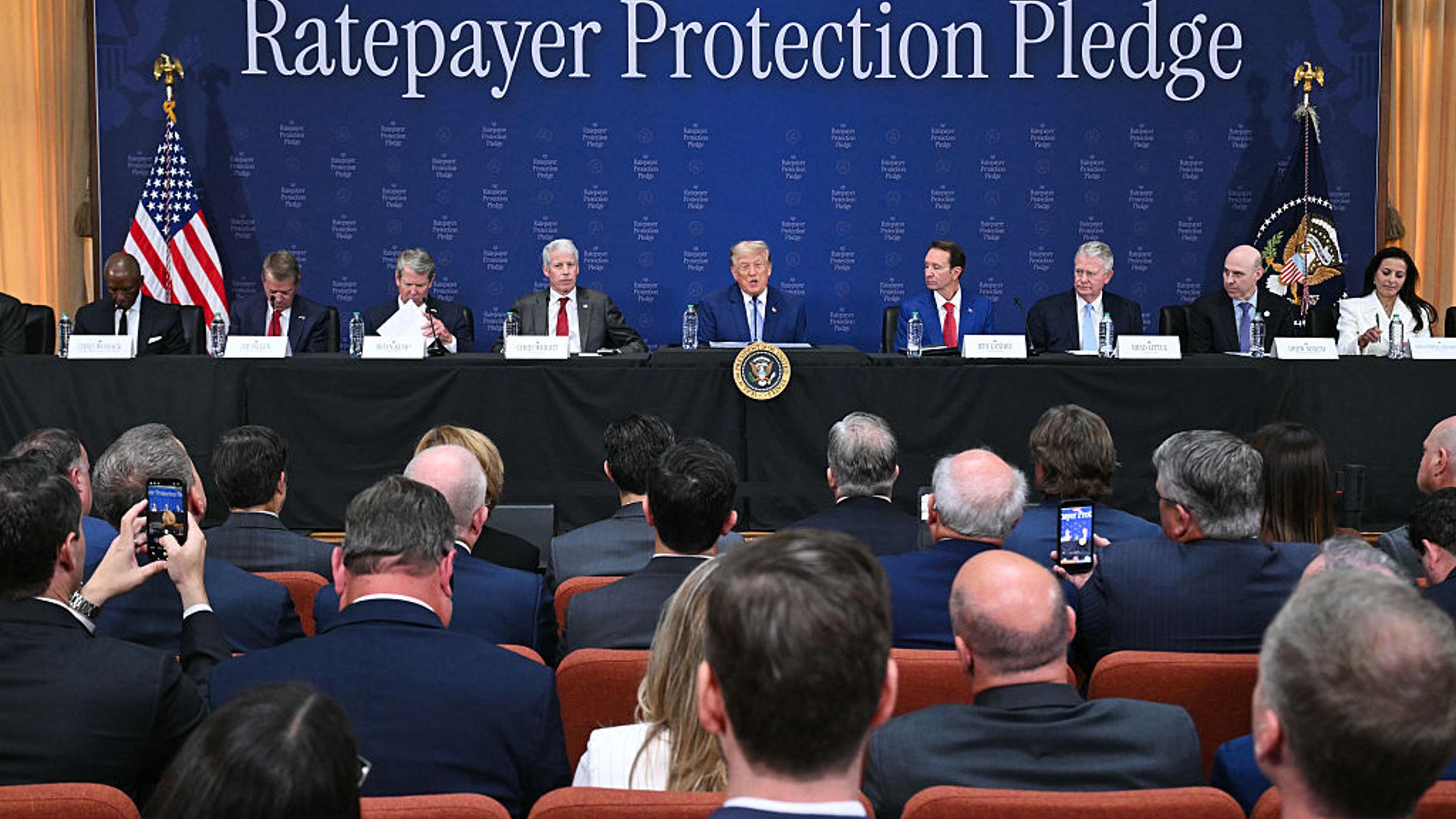
To calm public anger over rising expenses, the federal administration rolled out a voluntary framework called the Ratepayer Protection Pledge. The initiative brings together more than 200 stakeholders—including state governors, utility providers, and data center developers—with the official goal of protecting residential consumers from paying the financial price of the AI boom.
Critics are unimpressed.
Energy analysts and former regulators point out that voluntary pledges carry zero enforcement teeth and completely ignore deep structural flaws in the nation’s electrical grid. At recent energy summits, experts stressed that today’s unprecedented surge in power consumption demands systemic legislative overhauls, not quick regulatory fixes.
A Direct Collision Between Corporate Power Demands and Household Budgets
At the heart of the crisis is a brutal competition for electrical output. Modern data centers, built to train and operate massive artificial intelligence models, demand heavy, around-the-clock energy supplies. When utility companies scramble to build or redirect generation capacity to feed these tech giants, the staggering bills are frequently passed down to everyday ratepayers.
Regulators are already scrambling.
Within the PJM Interconnection market—which manages wholesale electricity across 13 states and the District of Columbia—administrators have slapped price caps on utility bids to slam the brakes on runaway costs. Market critics, however, warn these interventions could choke off vital investments in new energy generation. At the same time, political heat is boiling over at the state level. Leadership shifts inside public utility commissions in states like Indiana highlight the intense pressure elected officials face to keep consumer rates under control.
The Threat of Grid Failure During Extreme Weather Events
According to former Federal Energy Regulatory Commission (FERC) officials, patchwork price controls do nothing to fix the core supply shortage. Experts issue a stark warning: if grid capacity is breached during severe summer heat waves or deep winter freezes, operators could be forced into emergency rationing, dramatically increasing the threat of rolling blackouts and public fury.
Why Minor Policy Tweaks Fall Short of Systemic Reform
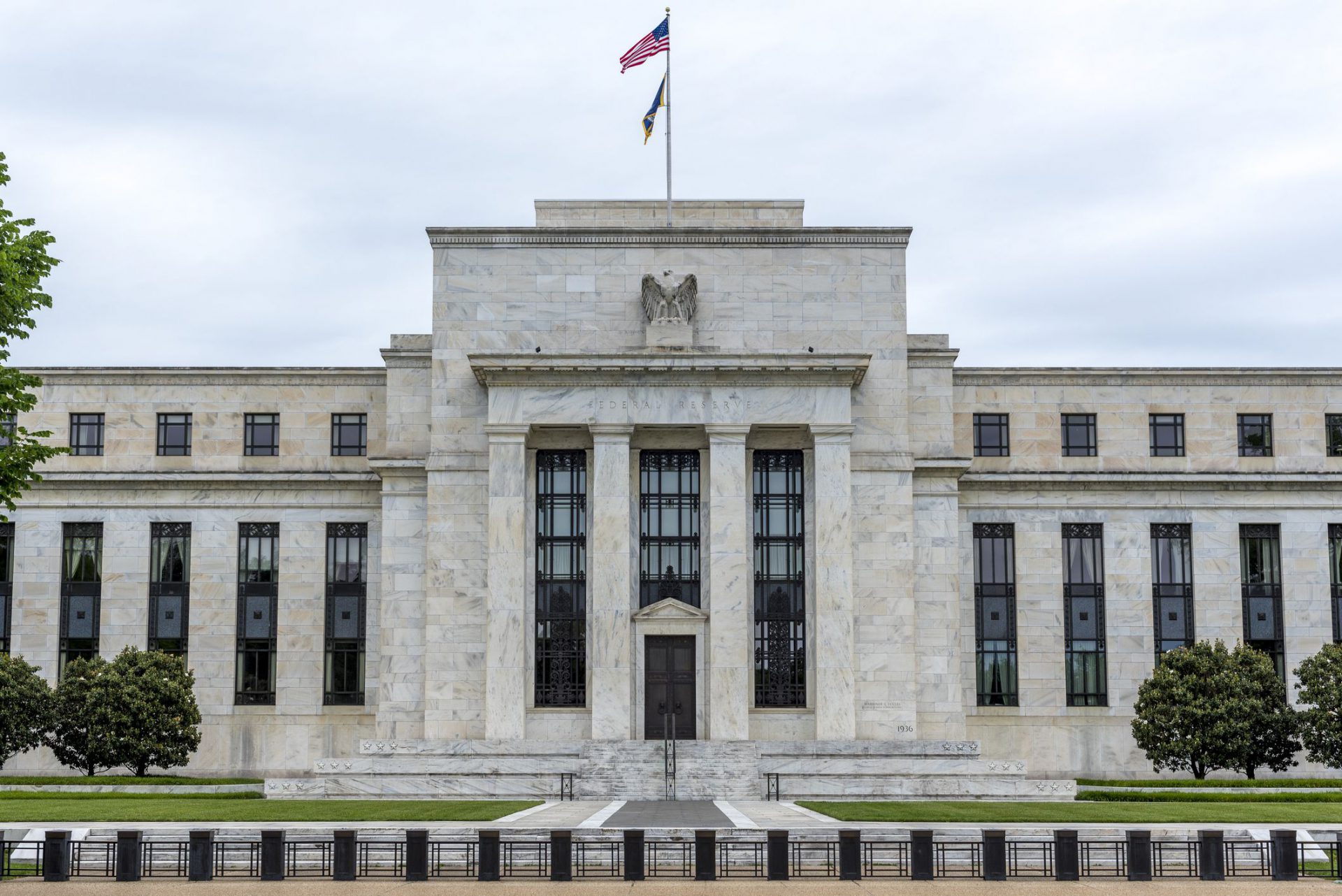
Leading economists and veteran regulators argue the current crisis exposes broken mechanisms in how electricity rates are set and interstate transmission lines are approved. Advocates for structural change contend that federal regulators need broader powers to fast-track high-voltage transmission infrastructure, which remains trapped in a maze of permitting delays.
Rewriting bedrock laws like the century-old Federal Power Act could theoretically synchronize grid expansion with clean energy targets. That would clear bottlenecks that currently choke both renewable energy integration and rapid tech growth.
Yet, pushing legislative changes of that scale through a divided Congress remains a massive political uphill battle.
A Looming Reckoning for American Energy Stability
As state and federal leaders scramble to tackle immediate affordability fears, the future stability of the American power grid hangs in the balance. Everything depends on whether policymakers leverage current market pressures to force through lasting infrastructure overhauls—before capacity shortages or severe weather trigger an involuntary reckoning.