
A recent legal development in the United Kingdom has set a significant precedent regarding the boundaries of non-consensual conduct in public spaces. In May 2024, David Stroud was sentenced following a conviction for a sex-based harassment charge, marking a rare and notable application of the law in a case involving an unsolicited request for a kiss. The case, which unfolded at the Westminster Magistrates’ Court, has drawn attention from legal observers for its interpretation of what constitutes criminal harassment in a public setting.
According to court records and reporting from the BBC, the incident occurred when Stroud approached a woman and requested a kiss. The legal proceedings highlighted the evolving nature of how courts address behavior that, while not involving physical contact, is perceived as intimidating or harassing under current legislation. The conviction serves as a clear indicator of how judicial authorities are increasingly utilizing existing public order and harassment statutes to penalize conduct that infringes upon a person’s sense of safety in public.
The Legal Framework of the Prosecution
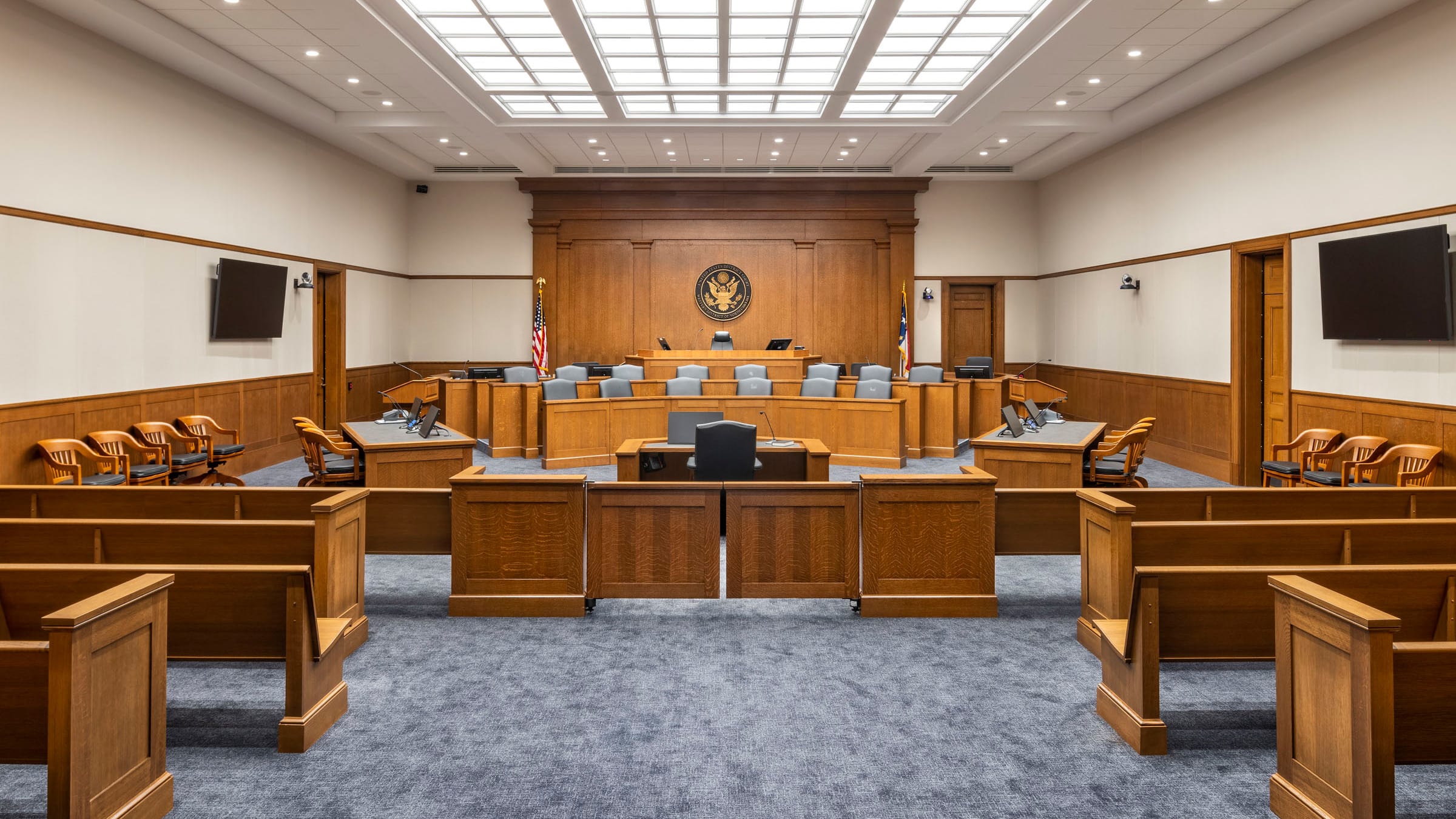
The conviction of David Stroud was secured under the Public Order Act 1986, which allows for prosecution when behavior is deemed to cause “harassment, alarm or distress.” In this instance, the court determined that the defendant’s actions crossed the threshold from mere social interaction into criminal harassment. The legal proceedings were finalized at Westminster Magistrates’ Court, where the presiding magistrate reviewed evidence regarding the interaction, which took place in a public area in London.
Legal analysts note that this case is part of a broader, ongoing shift in the British justice system toward a more robust enforcement of laws protecting individuals from street-based harassment. While the specific facts of the Stroud case—a request for a kiss—are distinct, the prosecution relied on the victim’s testimony that the encounter left her feeling distressed and intimidated. For a deeper look at how these laws are interpreted, the Crown Prosecution Service (CPS) provides comprehensive guidelines on the threshold for criminal charges related to public order offenses.
Contextualizing the Ruling
The sentencing of Stroud has sparked a conversation about the societal expectations regarding personal boundaries. Unlike cases involving physical assault, this matter centered entirely on the verbal request and the context in which it was made. By obtaining a conviction, the court has signaled that the right to traverse public spaces without being subjected to unwanted sexualized attention is a protected interest under the law.
This case follows a period of heightened public discourse in the United Kingdom regarding the safety of women and girls in public spaces. Legislative efforts, such as the Protection from Sex-based Harassment in Public Act, have sought to close gaps in the law that previously made it difficult to prosecute low-level harassment. While the Stroud case was prosecuted under established public order statutes, it underscores the judiciary’s willingness to interpret these laws in a way that reflects contemporary standards of acceptable social conduct.
What Happens Next: Legal Implications
For those following this case, the sentencing represents the end of the initial legal process. Stroud was issued a community order, which includes a requirement to complete rehabilitation activities and pay costs associated with the prosecution. The court’s decision to impose these measures rather than immediate custodial time reflects the severity of the offense in the eyes of the magistrate, while acknowledging the specific circumstances of the encounter.
Moving forward, this conviction may serve as a reference point for future cases involving similar allegations. Legal experts often look to such precedents to determine how lower courts might handle complaints of street harassment. If you or someone you know has been affected by harassment, official resources such as Metropolitan Police guidance or local victim support services provide avenues for reporting and obtaining legal advice. As the legal landscape continues to adjust to public demands for accountability, the judiciary remains the primary arbiter of where the line between a misguided interaction and a criminal act is drawn.
What are your thoughts on how the courts are balancing individual liberty with the right to public safety? Please share your perspective in the comments section below, and feel free to share this article to keep the conversation going.
Related reading