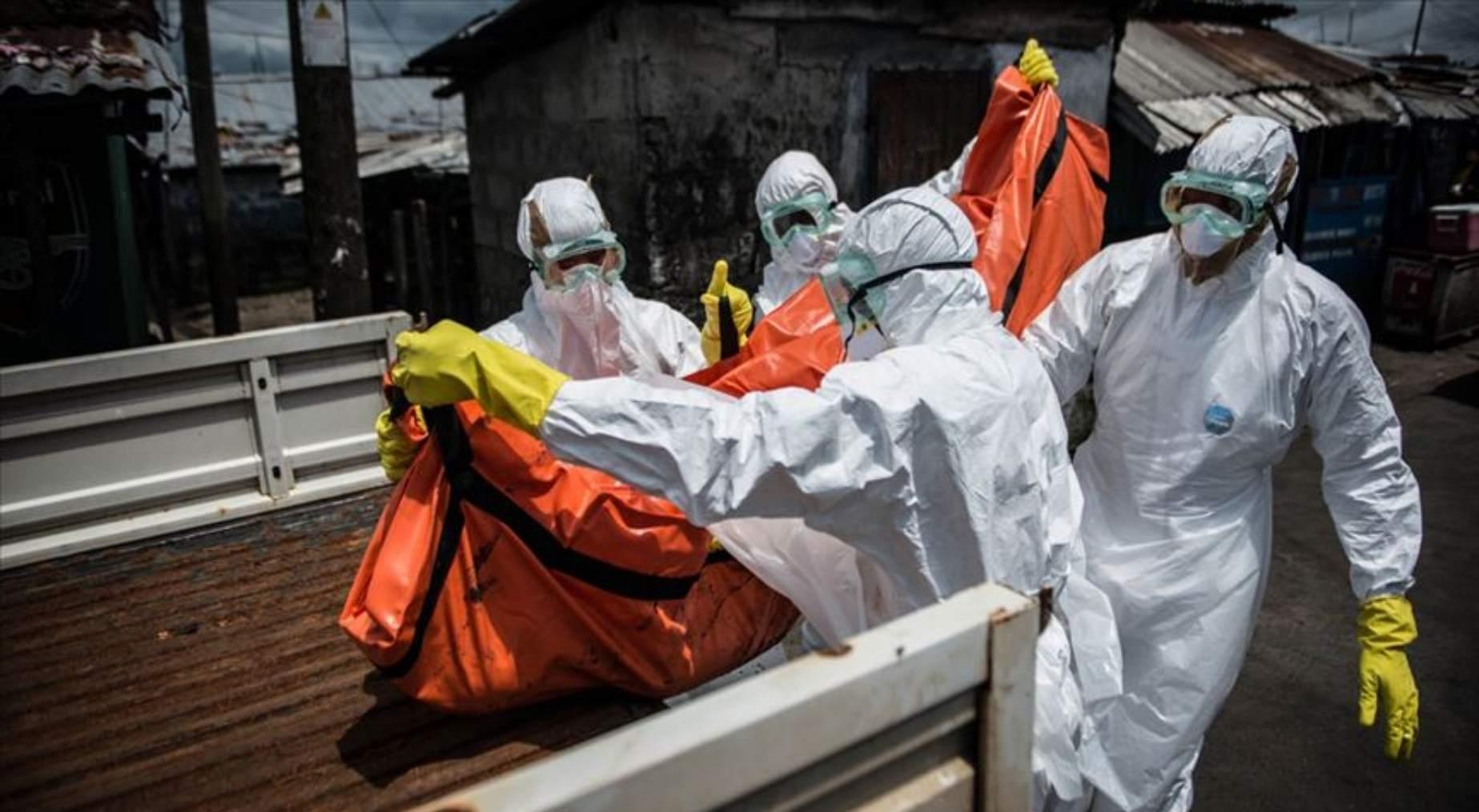
The World Health Organization (WHO) and regional health authorities are monitoring ongoing outbreaks of Ebola virus disease in Central and East Africa, where containment efforts face significant logistical and security challenges. As of the latest updates from public health agencies, the Democratic Republic of the Congo (DRC) and Uganda continue to report active transmission chains, prompting international concern over the potential for regional spread and the strain placed on local healthcare infrastructure.
Public health experts emphasize that while the virus is highly lethal, the ability to control an outbreak depends heavily on rapid contact tracing, community engagement, and the availability of therapeutic interventions. According to the World Health Organization, Ebola is transmitted through direct contact with the blood, secretions, or other bodily fluids of infected individuals, and the fatality rate can reach as high as 90% in some past outbreaks if left untreated. For global health systems, the focus remains on preventing the virus from moving beyond localized clusters into densely populated urban areas.
Status of Ebola Outbreaks in the Democratic Republic of the Congo
The Democratic Republic of the Congo has historically faced recurring challenges with Ebola, as the virus is endemic to the region. Recent data indicates that health officials are managing hundreds of suspected and confirmed cases across affected provinces. According to reports from the WHO Regional Office for Africa, the complexity of these outbreaks is compounded by geographical isolation and, in some instances, civil instability that complicates the delivery of medical supplies and vaccines.
Containment strategies in the DRC rely on a “ring vaccination” approach, where individuals who have been in contact with a confirmed case are prioritized for immunization. This method has been credited with curbing the spread of the virus in previous years. However, the sheer volume of cases, which have historically numbered in the hundreds during peak periods of transmission, requires sustained international funding and the deployment of specialized medical personnel to ensure that frontline health workers remain protected from infection.
Uganda’s Response to Recent Viral Transmission
In Uganda, health authorities have been on high alert following the identification of confirmed Ebola cases. The Ugandan Ministry of Health, working in conjunction with international partners, has established isolation centers to treat patients and monitor those who may have been exposed. As reported by the World Health Organization regarding the 2022 Sudan ebolavirus outbreak, the primary challenge in these regions is the rapid identification of symptomatic individuals before they can transmit the virus to others in their household or community.
The risk to healthcare workers remains a critical point of concern. Because Ebola symptoms—such as fever, fatigue, and muscle pain—can mimic other common tropical diseases like malaria, clinicians must maintain a high index of suspicion. The use of personal protective equipment (PPE) and strict adherence to infection prevention and control protocols are the only effective barriers to preventing nosocomial transmission, or the spread of the disease within a healthcare setting.
Global Health Implications and Surveillance
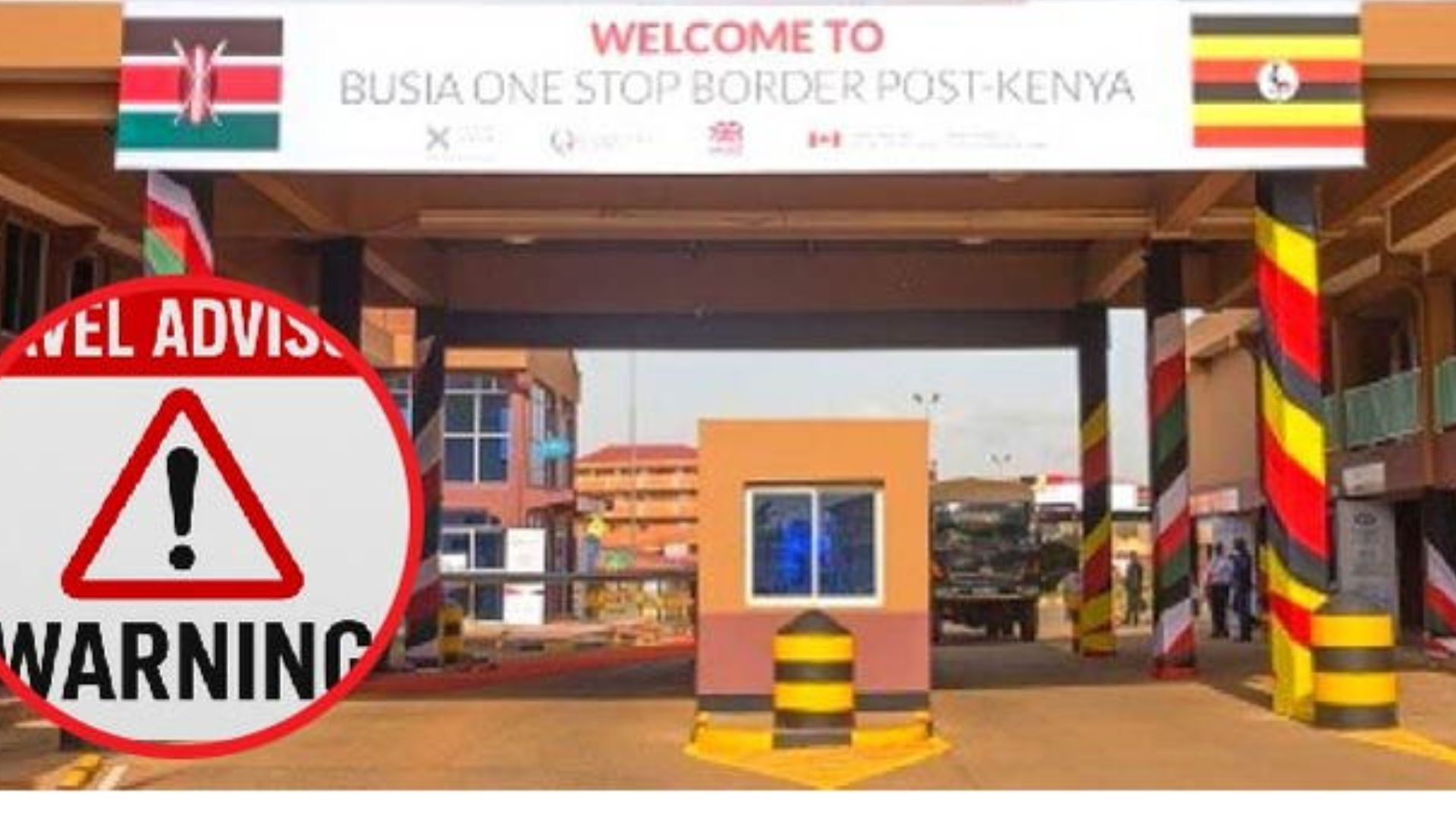
International health agencies, including the U.S. Centers for Disease Control and Prevention (CDC), continue to monitor the situation to assess the risk of global dissemination. While the risk of an outbreak reaching outside of the African continent is considered low, the severity of the disease necessitates constant vigilance at travel hubs. According to the CDC, standard protocols for screening travelers arriving from affected regions are designed to identify symptomatic individuals early, allowing for immediate isolation and testing.
The ongoing outbreaks underscore a broader issue in global health policy: the need for resilient healthcare systems capable of managing infectious disease threats before they escalate. The investment in rapid diagnostic tests, which can provide results in hours rather than days, has been a significant development in recent years. These tools allow for faster decision-making, which is essential for breaking the chain of transmission in rural and semi-urban environments.
Understanding Ebola: A Clinical Perspective
As a physician, I often observe that the fear surrounding Ebola is tied to its high mortality rate, yet the virus is not airborne. It is only spread through direct contact with fluids. This distinction is vital for the public to understand. The incubation period—the time between infection and the appearance of symptoms—is typically between 2 and 21 days. During this period, the individual is generally not infectious, which provides a window of opportunity for health authorities to intervene through contact tracing.

Modern medicine has made strides in treatment. The development of monoclonal antibody therapies, such as Inmazeb and Ebanga, has significantly improved survival rates for those who receive care early. These treatments work by neutralizing the virus in the bloodstream, but their effectiveness is entirely dependent on the speed with which a patient reaches a medical facility. The ultimate success of these therapies relies on overcoming the social and logistical barriers that prevent people from seeking care in the early stages of illness.
What Happens Next?
The next phase of the response will be defined by the ability of national health ministries to sustain their surveillance operations. International bodies like the WHO are expected to continue issuing periodic updates regarding the case counts and the effectiveness of vaccination campaigns. Readers can monitor official situation reports provided by the WHO Disease Outbreak News portal for the most accurate, real-time data on the progression of these events.
If you have questions about the current health advisories, it is recommended to consult your local national health authority’s website or the official WHO regional updates for your specific area. We will continue to track these developments as more information becomes available from verified health agencies. Please feel free to share your thoughts or questions in the comments section below.
Related reading