Representative Ro Khanna’s continued support for Graham Platner in the Maine Democratic Senate primary has drawn scrutiny as the candidate faces ongoing controversies regarding his past conduct and personal history. As voters in Maine prepare for the upcoming primary election, the alignment between a prominent progressive voice like Khanna and a candidate weathering multiple public scandals has sparked debate within Democratic circles about the party’s priorities and vetting processes.
The situation centers on a series of reports detailing controversial episodes from Platner’s life, including allegations of inappropriate digital communication and public questions regarding personal lifestyle choices. While some Maine Democrats have expressed reservations about these revelations, Khanna has maintained his stance, emphasizing the need to focus on broader policy goals and the necessity of winning the seat to maintain a Democratic majority in the U.S. Senate, according to reporting by Politico.
The Context of the Maine Democratic Primary
The Maine Democratic Senate primary serves as a critical test for party unity as the state navigates a complex political landscape. According to reports from ABC News, Platner has continued his campaign despite significant media attention surrounding his past, including reports of “sexting” scandals and questions regarding his personal image. The campaign’s ability to advance through the primary despite these distractions remains a focal point for political analysts who monitor how character issues influence primary voters in Maine.
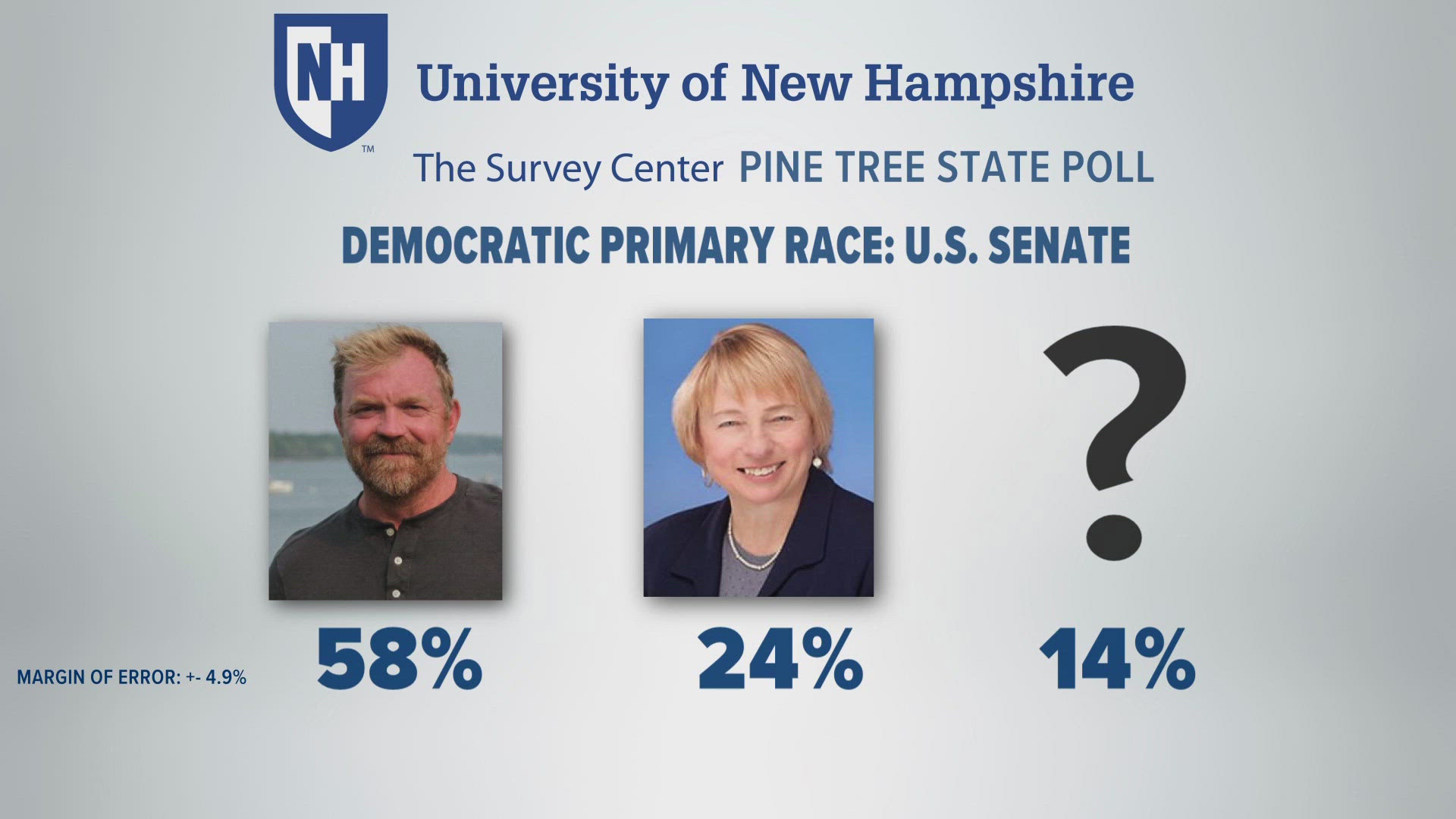
Political volatility in Maine is further illustrated by the shifting loyalties of local party officials. As noted by Politico, some Maine Democrats are increasingly wavering in their support, citing concerns that the controversies surrounding the candidate could hinder his electability in a general election. The tension highlights a common dilemma in modern politics: the balance between candidate loyalty and the pragmatic assessment of political risk.
Why Ro Khanna Remains Committed to the Candidate
Representative Ro Khanna’s decision to stand by Platner is rooted in his strategic approach to building a progressive coalition. Khanna, who represents California’s 17th congressional district, has often prioritized legislative outcomes and the expansion of the Democratic base over individual candidate perfection, according to his public statements on coalition building. By supporting Platner, Khanna is signaling that the policy platform advocated by the campaign outweighs the personal controversies that have dominated recent headlines.
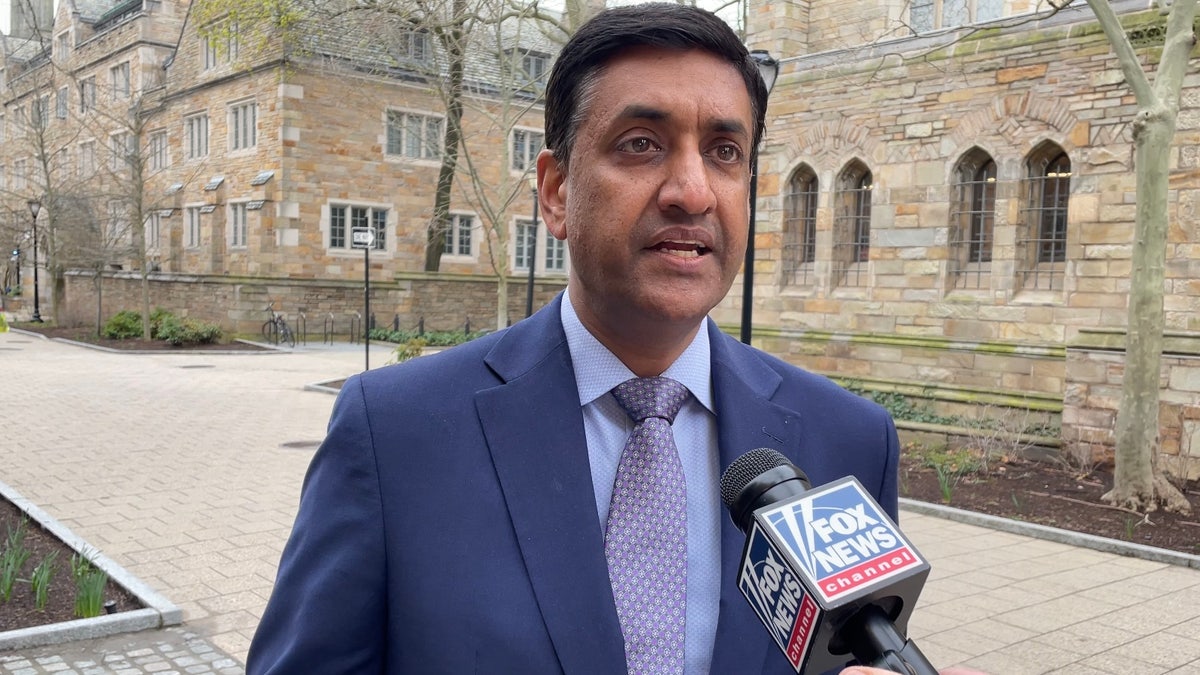
Critics, however, argue that such support ignores the potential for long-term political damage. An opinion piece published by The Washington Post argued that the candidate’s history raises fundamental concerns about his fitness for the U.S. Senate. This perspective underscores a divide within the party: those who prioritize absolute moral vetting and those who prioritize electoral strategy and policy alignment.
Public Reaction and the Impact of Recent Scandals
The scandals surrounding the candidate, which include reports of specific tattoos and digital communication patterns, have been widely covered by national news outlets. According to USA Today, the central question for voters is whether these personal controversies will reach a tipping point that impacts the primary vote tally. The campaign has faced scrutiny regarding whether these distractions provide enough ammunition for opposing candidates to erode Platner’s support base before the primary concludes.
The intensity of the coverage is reflective of the high stakes involved in Senate elections, where every seat is subject to intense vetting. Voters in Maine are currently weighing these reports against the candidate’s proposed policy solutions for the state, creating a dynamic environment where traditional campaigning is frequently interrupted by the need to address past personal behavior.
What Happens Next in the Primary Process
The next major checkpoint for the Maine Democratic Senate primary will be the official filing deadlines and the subsequent primary election date, where the ultimate impact of these controversies will be measured by the electorate. According to the Maine Secretary of State’s election information portal, voters are encouraged to consult official state resources for the most accurate and up-to-date information regarding candidate eligibility and primary election schedules.

As the campaign progresses, observers expect further scrutiny from both political opponents and the media. Whether the support from national figures like Ro Khanna will be enough to insulate the campaign from ongoing criticism remains to be seen. Readers are encouraged to monitor official election commission filings for updates on campaign contributions and any formal responses from the candidate regarding the controversies. We invite our readers to share their thoughts on the balance between personal conduct and policy goals in the comments section below.
Worth a look