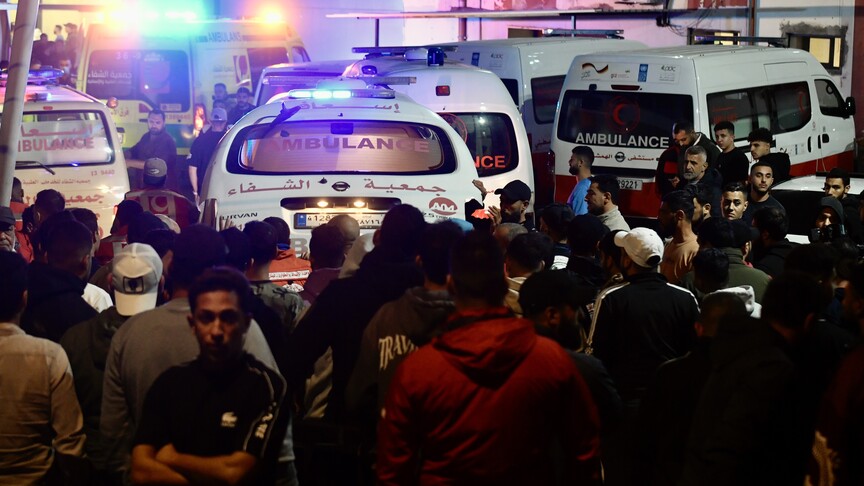
Israeli airstrikes across southern Lebanon on Tuesday resulted in at least 15 deaths and 42 injuries, according to reports from the Lebanese Ministry of Public Health. The escalation marks a significant intensification of the ongoing cross-border conflict, with strikes targeting multiple locations, including residential areas in the city of Tyre.
The casualty figures, verified through international news agencies monitoring reports from the Lebanese Ministry of Public Health, reflect a widening scope of military operations. The strikes hit various districts in the south, a region that has seen near-daily exchanges of fire since October 2023. These events are part of a broader cycle of regional instability that has displaced thousands of civilians on both sides of the border.
Casualties and Impact in Southern Lebanon
The most significant impact of Tuesday’s operations was concentrated in Tyre, where local authorities and health officials reported a direct strike on a residential building. According to the Lebanese state-run National News Agency, the attack necessitated large-scale search and rescue operations to recover victims trapped beneath debris. The intensity of the bombardment has hampered emergency response efforts, as medical teams navigate damaged infrastructure and ongoing security risks.
Beyond the immediate human cost, the strikes have triggered fresh waves of displacement. Residents in several villages across the south received evacuation warnings from the Israel Defense Forces (IDF) hours before the strikes commenced. These warnings, often issued via social media platforms, have become a standard, if controversial, feature of the conflict, forcing families to abandon their homes with little notice. The United Nations Children’s Fund (UNICEF) has repeatedly warned that the civilian infrastructure in southern Lebanon is nearing a breaking point due to the sustained military campaign.
The Context of Cross-Border Escalation
The military operations on Tuesday followed a period of heightened tension along the Blue Line, the demarcation between Lebanon and Israel. The Israel Defense Forces stated that their actions are aimed at dismantling infrastructure used by Hezbollah, the militant group that maintains a significant presence in the region. Israel’s military leadership maintains that these strikes are necessary to ensure the safe return of displaced residents to northern Israeli communities, as reported by major regional news outlets covering the security situation.

Conversely, the Lebanese government and Hezbollah characterize the strikes as an act of aggression against sovereign territory. The conflict, which has evolved from localized skirmishes into a full-scale aerial and ground engagement, has drawn increasing scrutiny from international observers. The United Nations Interim Force in Lebanon (UNIFIL) remains stationed in the region, though their ability to mediate or de-escalate the violence has been severely limited by the intensity of the fighting.
Why the Current Situation Matters
The regional situation remains volatile, with the risk of further escalation persistent. The use of drone strikes and heavy artillery in densely populated areas like Tyre raises concerns regarding the protection of non-combatants under international humanitarian law. According to data tracked by the Armed Conflict Location & Event Data Project (ACLED), the frequency of strikes in southern Lebanon has increased significantly over the last month, suggesting a shift in military strategy toward a more aggressive posture.
For residents in the affected areas, the immediate outlook is one of continued uncertainty. The lack of a ceasefire agreement means that humanitarian corridors remain fragile, and access to essential services—including electricity, clean water, and medical care—is increasingly inconsistent. International diplomatic efforts, led by various regional and global powers, have yet to produce a sustainable path toward a cessation of hostilities.
Looking Ahead: Next Steps
As of Wednesday morning, there have been no official announcements regarding a potential pause in the current military campaign. The Lebanese Ministry of Public Health is expected to release updated casualty figures as rescue teams conclude their work in the affected districts. International observers continue to monitor for any shifts in military policy or diplomatic initiatives that could signal a de-escalation.

The situation remains fluid. Readers are encouraged to monitor updates from the Lebanese Ministry of Public Health for official casualty counts and emergency guidance. We will continue to provide updates as verified information becomes available. If you have questions about this developing story, please feel free to share your thoughts in the comments section below.
Worth a look