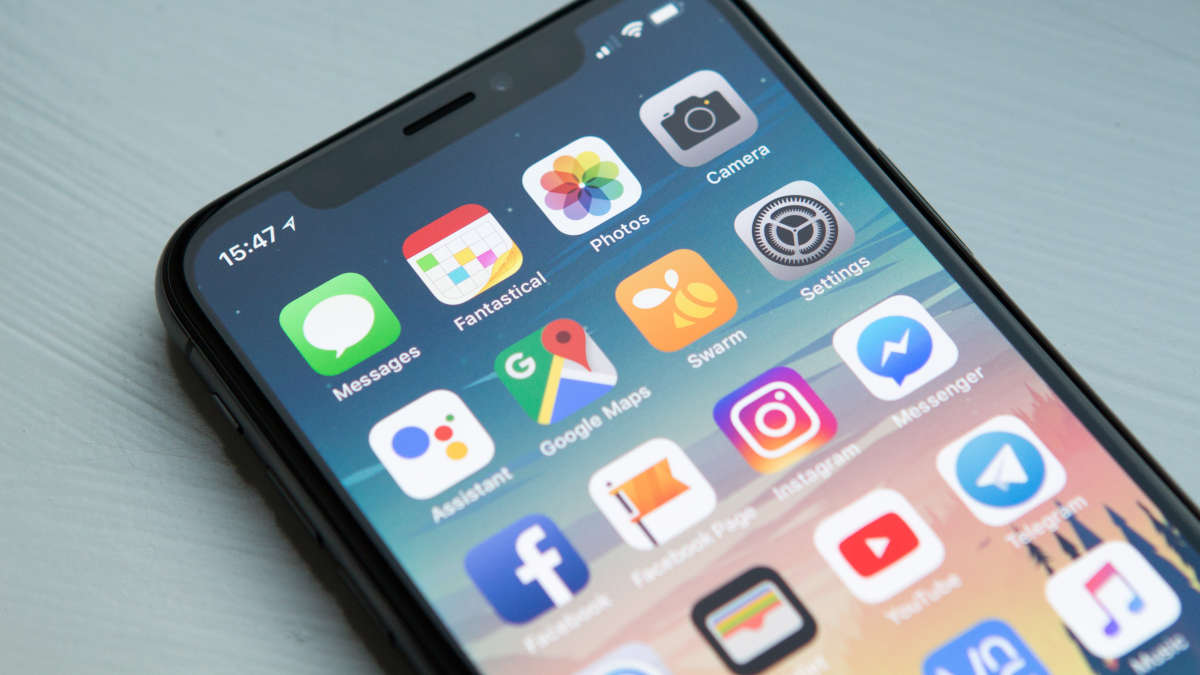
Recent software development kits and internal code references have fueled speculation regarding a potential foldable iPhone, as developers note specific interface adjustments within the latest Apple ecosystem frameworks. While Apple has not confirmed the release of a foldable device, analysts point to evolving screen-handling capabilities within its mobile operating systems as a primary indicator of long-term hardware shifts.
The conversation around foldable hardware intensified following reports on how future iterations of the company’s software will manage dynamic display states. According to documentation shared during the Apple Platforms State of the Union, the company is prioritizing adaptive interface layouts that allow applications to transition seamlessly between different aspect ratios and screen configurations. These adjustments are essential for devices that do not utilize a traditional, static display.
Evidence Within the Development Frameworks
Technical observers have identified strings within the latest developer tools that suggest the system is being prepared for devices with non-standard dimensions. These references, often discussed in developer forums, indicate that the operating system is being optimized for “flexible” or “dual-display” hardware configurations. By requiring apps to be compiled with updated SDKs, Apple ensures that software remains functional regardless of whether a screen is fully expanded or folded.
This approach mirrors previous industry transitions, such as the introduction of split-screen multitasking on the iPad, which required developers to adopt Auto Layout and Size Classes. By enforcing these standards early, Apple can ensure that third-party applications provide a consistent user experience on a foldable device from the moment of launch, rather than relying on software patches after the hardware reaches consumers.
Industry Context and Hardware Trends
The foldable smartphone market has seen steady growth over the past few years, with competitors like Samsung and Google releasing multiple generations of folding devices. Market research firm IDC reported that the global foldable phone market grew by 23% year-over-year in early 2024, signaling that consumer interest in the form factor is maturing. Despite this, Apple has maintained a cautious stance, focusing on refining display durability and hinge mechanics through various patent filings.
Patent filings, which are public records, show that Apple has explored several designs for folding displays, including mechanisms to prevent screen creasing and specialized materials to protect the OLED layers. However, the presence of a patent does not guarantee a commercial product. The company’s historical strategy involves waiting until hardware components reach a specific threshold of reliability and mass-production capability before entering a new category.
What Developers Need to Know
For software engineers, the transition toward these new interface standards is largely automated through the latest Xcode toolsets. The focus remains on “adaptive UI,” which allows a single application binary to adjust its layout based on the available screen real estate. This is a critical departure from earlier mobile development, where apps were often designed for fixed screen sizes.
If an application is built using modern SwiftUI or updated UIKit frameworks, it is inherently more resilient to changes in display geometry. This suggests that if Apple does release a foldable device, the majority of the App Store ecosystem will be ready to support it without requiring significant code rewrites, provided developers follow the current interface guidelines.
Future Developments and Official Updates
As of late 2024, there is no official timeline for the release of a foldable iPhone. Industry analysts generally expect any such device to undergo extensive internal testing before a public announcement. The next major opportunity for Apple to discuss updates to its mobile software architecture will be at the Worldwide Developers Conference (WWDC) in 2025.

Until an official announcement is made, these code references remain the most reliable way to track the company’s technical trajectory. Readers are encouraged to monitor the Apple Developer News portal for official documentation regarding upcoming SDK changes and interface requirements. We will continue to track these developments and provide updates as more information becomes available.
What are your thoughts on a potential foldable iPhone? Join the conversation in the comments section below and share this report with your network.