
Rising living costs continue to serve as a primary challenge for many Malaysian workers, particularly those residing in urban centers. Data from the Department of Statistics Malaysia (DOSM) indicates that inflationary pressures on essential goods, coupled with stagnant wage growth for lower-to-middle income groups, have significantly strained household budgets in metropolitan areas like the Klang Valley.
For many employees, particularly those earning less than RM5,000 monthly, the gap between rising expenditures and static income has reached a critical point. According to the Department of Statistics Malaysia’s Household Income and Basic Amenities Survey Report, while the national median income has shown incremental growth, the cost of living—specifically housing, transportation, and food—has outpaced salary adjustments for a significant portion of the workforce.
The Impact of Urban Inflation on Household Budgets
Urban workers face a unique set of financial pressures that differ from their rural counterparts. The cost of living in cities is driven by higher rental rates, increased demand for private transportation, and the localized pricing of food and services. The Bank Negara Malaysia (BNM) Annual Report has consistently highlighted that the rising cost of living is not merely a product of headline inflation, but a structural issue involving the disproportionate increase in the cost of essential services.

For individuals earning under RM5,000, the “living wage”—a concept promoted by Bank Negara Malaysia—often remains elusive. A living wage is defined as the income level that allows a household to not only afford basic needs but also participate in society and build a financial buffer for emergencies. In major cities, the actual expenditure for a single adult to maintain a modest standard of living frequently exceeds the minimum wage and entry-level salary tiers found in many private sector roles.
Wage Stagnation and the Cost of Living Gap
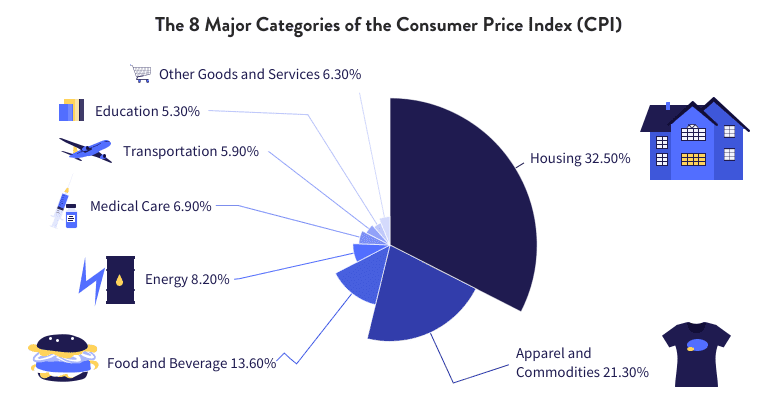
The core of the issue lies in the disparity between wage growth and the Consumer Price Index (CPI). As of the latest Consumer Price Index report by DOSM, food and non-alcoholic beverages remain a significant contributor to overall inflation. For households where a large percentage of income is allocated to food and housing, these increases are felt more acutely.
Financial analysts note that the “middle-income trap” is exacerbated when salary increments do not keep pace with the annual inflation rate. Workers earning below the RM5,000 threshold are often unable to benefit from investment vehicles or savings accounts that could hedge against inflation, leaving them vulnerable to sudden price shocks in the market.
Government Policy and Mitigation Strategies
The Malaysian government has introduced various measures to alleviate the burden on the B40 and M40 income groups. These include targeted subsidies, such as the Sumbangan Tunai Rahmah (STR), and the implementation of the Rahmah initiative, which seeks to provide affordable food options to those struggling with daily expenses. Detailed information on these programs can be found through the Ministry of Finance Malaysia official portal.
However, economists argue that short-term subsidies are not a permanent solution to the structural challenges of urban affordability. Long-term strategies, such as increasing productivity-linked wages and expanding social protection coverage for gig economy workers, remain the focus of ongoing policy discussions. The Employees Provident Fund (EPF) has also emphasized the importance of financial literacy, though they acknowledge that personal savings are difficult to accumulate when monthly cash flow is entirely consumed by essential expenditures.
What Happens Next for the Workforce
The dialogue between labor unions, policymakers, and private sector representatives regarding the adjustment of wages is expected to continue throughout the fiscal year. The National Wage Consultative Council periodically reviews the minimum wage, with the next potential adjustment being a key point of interest for low-income earners. Workers are encouraged to monitor updates from the Ministry of Human Resources regarding upcoming labor law amendments and potential revisions to salary guidelines.
Addressing the cost of living requires a multifaceted approach involving both public policy and private sector commitment to wage growth. As the economic landscape evolves, tracking the relationship between the CPI and median wage growth will be essential for understanding the future financial stability of Malaysia’s urban workforce. We welcome your thoughts on how these economic pressures are impacting your community; please share your perspective in the comments section below.
Keep reading