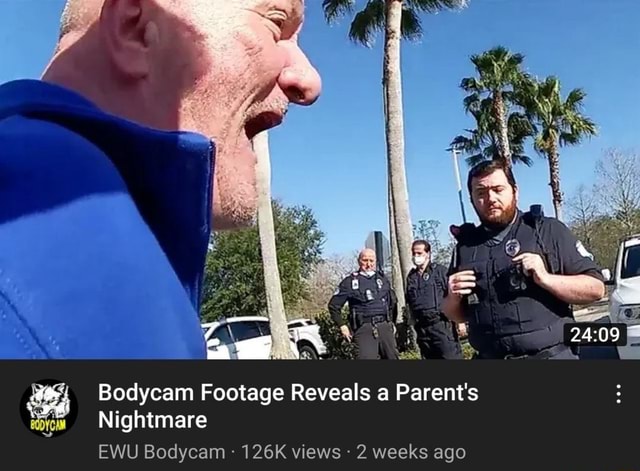
The “Latin Army” trend, a viral social media phenomenon, has gained traction as users share videos depicting organized groups of young men, often styled in specific streetwear, engaging in synchronized movements or collective displays of bravado. While the trend has garnered millions of views across platforms like TikTok and YouTube, it has also sparked significant debate regarding the normalization of gang-affiliated imagery and the influence of digital subcultures on real-world behavior. According to reports from various media observers, the trend often utilizes specific audio tracks and hashtags to mobilize engagement, though law enforcement agencies have not issued formal warnings regarding the movement as a unified criminal organization.
At its core, the trend highlights the rapid dissemination of hyper-local street subcultures to a global digital audience. By leveraging the algorithm-driven nature of “Shorts” and “Reels,” participants—many of whom are teenagers or young adults—can project an image of solidarity and strength that mimics traditional organized groups. However, researchers in digital sociology suggest that much of this content is performative. It serves as a form of “digital peacocking” rather than evidence of actual illicit activity, though the line between online posturing and offline risk remains a point of concern for parents and educators.
Understanding the Mechanics of Viral Subcultures
Social media platforms have fundamentally altered how youth subcultures form and broadcast their identity. The Latin Army trend relies heavily on high-energy editing, rhythmic music, and recognizable fashion markers to signal belonging. Unlike traditional subcultures that required physical proximity to build community, this trend allows individuals from disparate geographic locations to adopt a shared aesthetic instantaneously. This phenomenon is consistent with findings from the Pew Research Center, which has tracked how adolescent social hierarchies have migrated to digital spaces, where visibility often equates to social currency.

The risk associated with such trends frequently centers on the permanence of digital footprints. When young people post content that mimics gang-related behavior, they may inadvertently attract the attention of law enforcement or school administrators who monitor social media for signs of potential conflict. The legal implications of “digital posturing” are significant; in many jurisdictions, social media posts can be used as evidence in disciplinary hearings or criminal investigations if they are perceived as threats or evidence of association with prohibited groups. According to the Office of Juvenile Justice and Delinquency Prevention, the intersection of online activity and juvenile delinquency is an area of increasing focus for both researchers and law enforcement.
The Impact of Digital Permanence on Youth
One of the most pressing concerns regarding viral trends is the lack of foresight among participants regarding how their content will be viewed by future employers, colleges, or legal entities. A single video, posted for a moment of clout, can have long-term consequences. This is not merely a hypothetical scenario; school districts across the United States have implemented policies that allow for the suspension or expulsion of students based on social media content that disrupts the educational environment. The American Civil Liberties Union has frequently addressed the complexities of student speech rights in the age of social media, noting that while the First Amendment offers some protections, content that creates a “substantial disruption” is often subject to administrative action.
Furthermore, the “Latin Army” trend demonstrates how easily misinformation can spread within a specific digital community. When users create videos that look like official recruitment or promotional material for a gang, it can lead to real-world panic. Local police departments have, on several occasions, had to clarify that certain viral videos were not evidence of genuine criminal threats, but rather instances of teenagers mimicking tropes they saw in music videos or television dramas. This confusion places an additional burden on community resources and can lead to the unnecessary criminalization of youth behavior.
How to Navigate Online Trends Safely
For parents and guardians, the rise of such trends highlights the need for open dialogue about digital literacy. Experts recommend focusing on the “why” behind the participation rather than simply banning access to apps. Understanding that these trends are often about seeking validation or a sense of community can help adults provide better guidance. The Common Sense Media organization provides comprehensive resources for families to discuss the risks and rewards of social media, emphasizing that critical thinking is the best defense against the pressures of viral culture.
It is also essential for users to understand that digital platforms are not private. Privacy settings, while useful, do not prevent a video from being screen-recorded and shared outside of a user’s immediate circle. Before participating in any trend that involves aggressive posturing or group identification, users should consider if they would be comfortable with that content being displayed in a courtroom or a job interview. As digital literacy continues to evolve, the ability to discern between harmless fun and behavior that could jeopardize one’s future is a vital skill for the modern generation.
Moving Forward: Accountability and Awareness
As social media platforms continue to refine their community guidelines and moderation tools, the responsibility to curb harmful trends remains shared between the tech companies, parents, and the users themselves. There is no scheduled legislative action currently targeting the “Latin Army” trend specifically, as it remains a loosely organized aesthetic movement rather than a centralized criminal entity. However, stakeholders expect that as these trends evolve, platforms will likely implement more stringent filters to prevent the promotion of content that simulates gang violence or illegal association.
The next checkpoint for this issue will likely be the ongoing discussions at the school board level regarding student conduct codes for the upcoming academic year, as administrators look for ways to address the impact of viral social media behavior on school safety. Readers are encouraged to monitor their local school district announcements and stay informed on digital safety best practices. If you have thoughts on how social media impacts youth culture or experiences with these trends, we invite you to share your perspective in the comments below.
Keep reading