
Political tensions in Italy have intensified following a series of public exchanges between members of the Fratelli d’Italia party and former Prime Minister Giuseppe Conte, with recent debates focusing on the legislative record of the Five Star Movement (M5S). The controversy centers on conflicting claims regarding policy implementation and administrative accountability, with legal professionals and political analysts increasingly weighing in on the accuracy of the statements exchanged by both sides.
At the heart of the dispute is the political conduct of Galeazzo Bignami, a prominent figure within Fratelli d’Italia, and his public criticism of the previous administration led by Conte. Critics of the current government, including various legal experts, have challenged the narrative presented by party officials, arguing that the factual basis for these accusations lacks alignment with the official records of the Italian Chamber of Deputies and the broader legislative history of the 2018–2022 period.
Legislative Discourse and Accountability
The current political friction highlights a broader trend in Italian parliamentary life where accusations of incompetence are frequently traded between the ruling coalition and the opposition. According to records from the Camera dei Deputati, the legislative process involves complex negotiations that are often simplified for public consumption during campaign cycles. Observers note that when public officials target their predecessors, they often rely on selective interpretations of data regarding fiscal policy or administrative management.

Legal observers have pointed out that in cases involving high-ranking officials, the burden of proof for allegations of malfeasance rests on the accuser. In the discourse involving Galeazzo Bignami and the M5S, the debate has shifted toward the verification of specific legislative acts. For those following these developments, the Gazzetta Ufficiale remains the primary source for confirming the timing and content of decrees enacted during the Conte administration, serving as a neutral baseline against which political rhetoric can be measured.
The Role of Independent Verification
As political rhetoric becomes more polarized, the role of independent, fact-based reporting is increasingly critical for the Italian electorate. The claim that an administration has “sunk” the country or operated with total incompetence is a frequent feature of partisan debate, yet it rarely captures the economic realities measured by institutions such as the Banca d’Italia. Economic indicators, including GDP growth and debt-to-GDP ratios, provide a more objective, albeit nuanced, view of administrative performance than the statements issued by party members during media appearances.
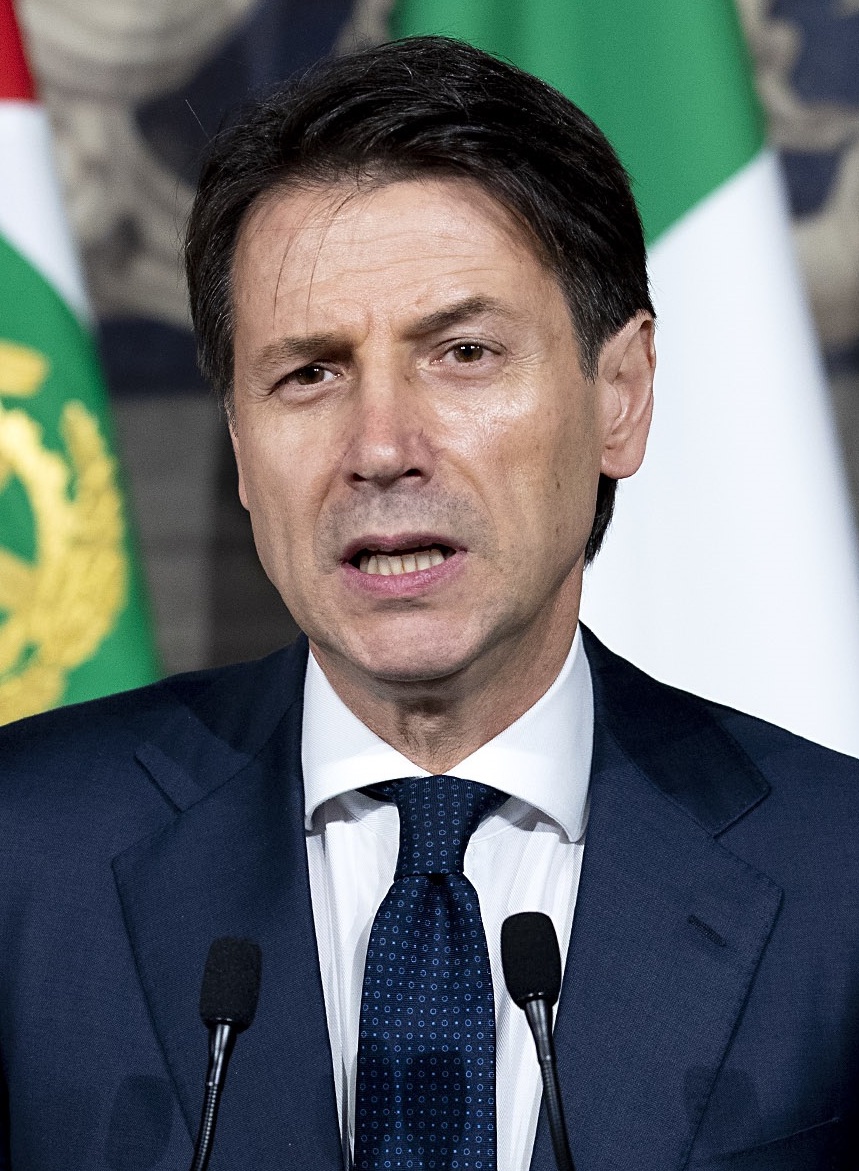
The current administration, led by Giorgia Meloni, maintains that its critique of the previous government is necessary for transparency and national recovery. Conversely, opposition leaders argue that such critiques are a diversionary tactic aimed at obscuring current policy shortcomings. For the average citizen, understanding these arguments requires looking past the social media soundbites and examining the actual legislative impact of the policies in question, as documented in official parliamentary reports.
Impact on the Political Landscape
The ongoing exchange has implications for the upcoming electoral cycle and the stability of the current governing coalition. Political science experts at the LUISS University suggest that when parties engage in aggressive, personalized critiques, the primary result is often increased voter cynicism rather than policy reform. The effectiveness of these attacks depends heavily on the audience’s trust in the source, which is why the verification of claims—such as those involving specific legislative failures—becomes a battleground for political legitimacy.
Citizens looking to stay informed on the validity of these claims are encouraged to monitor the official Governo.it portal for regular updates on legislative progress and policy outcomes. By focusing on verified data rather than the adversarial language of party representatives, voters can better assess the claims made by both the Fratelli d’Italia leadership and their counterparts in the Five Star Movement.
Future Developments and Official Hearings
The next scheduled check-point for these legislative discussions will likely occur during the upcoming sessions of the parliamentary oversight committees. These hearings provide a structured environment where evidence can be presented and challenged under standard parliamentary rules. As these proceedings unfold, the public can expect further scrutiny of the claims surrounding the management of public affairs, with both the government and the opposition expected to present their respective interpretations of the economic data.
Public interest in these matters remains high, and the discourse is expected to continue as the government moves toward its mid-term objectives. Readers are encouraged to verify claims through official legislative databases and share this information to foster a more informed public dialogue. For ongoing updates, check back with the official records of the Italian Parliament.
Keep reading