
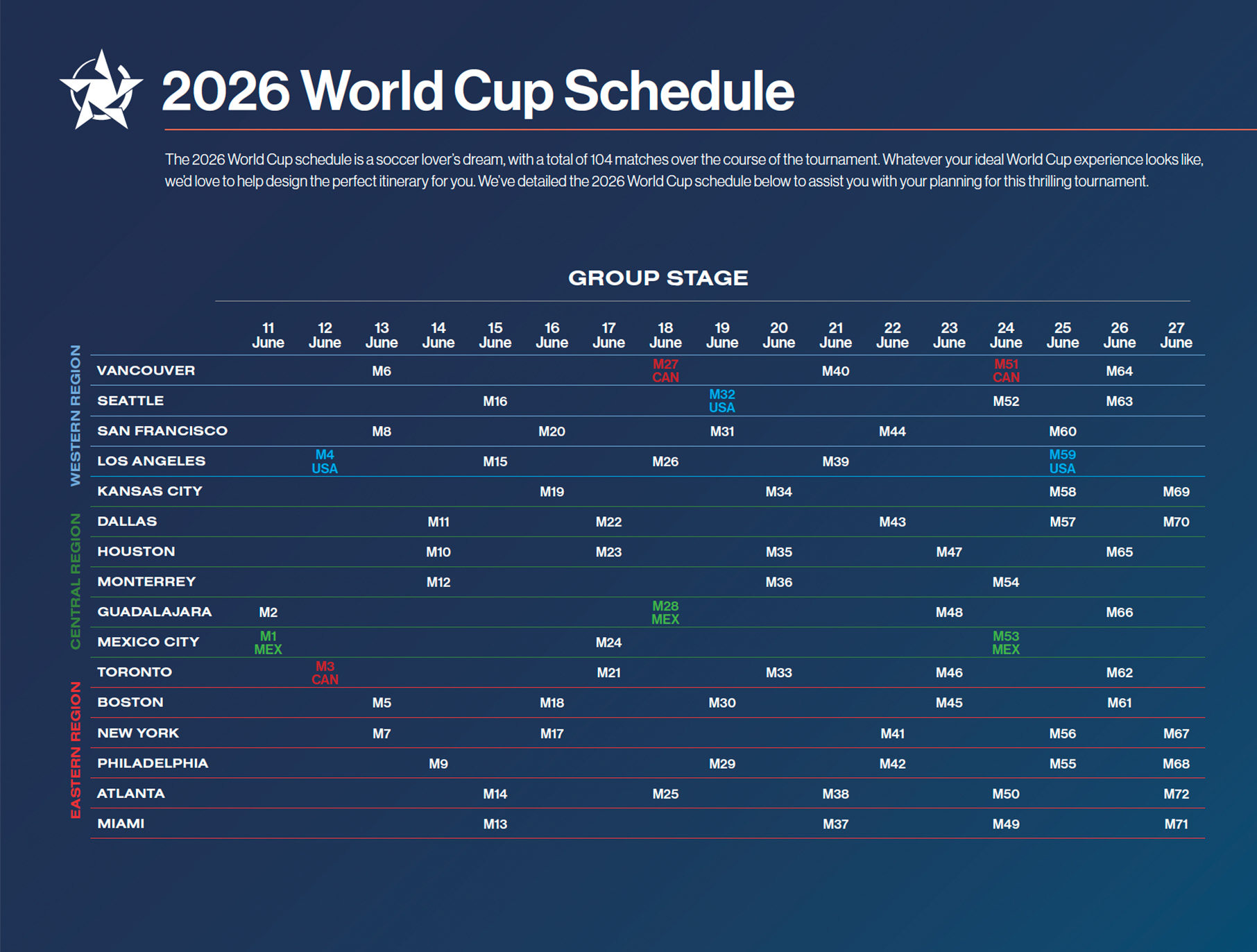
The 2026 FIFA World Cup, set to be the largest tournament in football history, will feature 48 teams competing across 104 matches in the United States, Canada, and Mexico. FIFA has confirmed the tournament will officially commence on June 11, 2026, at the Estadio Azteca in Mexico City, with the final match scheduled for July 19, 2026, at MetLife Stadium in East Rutherford, New Jersey, according to the official FIFA tournament regulations and schedule announcement.
As sports editor at World Today Journal, I have tracked the evolution of this tournament from its initial expansion announcement to the finalization of the 16 host cities. With 12 additional teams participating compared to the 2022 edition, the logistical scale of the 2026 competition represents a significant shift in international sports administration. Fans and analysts alike are now looking toward the upcoming draw and the finalization of regional broadcast rights as the primary next steps in the build-up to the opening whistle.
Understanding the Expanded 2026 Tournament Format
The 2026 FIFA World Cup marks the first time the tournament will host 48 nations, moving away from the 32-team format that had been in place since 1998. According to FIFA’s official competition documentation, the teams will be divided into 12 groups of four. The top two teams from each group, along with the eight best third-placed teams, will advance to a newly implemented round of 32.
This expansion increases the total number of matches from 64 to 104. FIFA officials have stated that this structure ensures that teams play a maximum of eight matches to reach the final, maintaining the same duration as previous tournaments while providing more opportunities for nations to qualify. The geographic spread covers three nations, requiring complex travel logistics for teams, as matches will be played in cities ranging from Vancouver and Toronto in the north to Mexico City and Guadalajara in the south, with various hubs across the United States.
Broadcast and Viewing Accessibility
Global interest in the tournament has sparked significant discussion regarding broadcast accessibility. While official rights holders are determined on a per-territory basis, FIFA maintains a list of official broadcasters for each region to ensure fans can access live coverage. In many regions, local broadcasters are finalizing agreements to carry the matches, with high-definition coverage expected to be available through both traditional television networks and digital streaming platforms, as detailed in the FIFA media rights guidelines.
Viewers are encouraged to verify broadcast information through official local channels rather than third-party aggregators, as regional distribution rights vary significantly. As the tournament approaches, FIFA typically releases a comprehensive list of licensed broadcasters, ensuring that audiences across different time zones can follow the progression of their respective national teams.
Economic and Logistical Impact of the 16 Host Cities
The tournament will be hosted across 16 cities: Atlanta, Boston, Dallas, Houston, Kansas City, Los Angeles, Miami, New York/New Jersey, Philadelphia, San Francisco, and Seattle in the United States; Guadalajara, Mexico City, and Monterrey in Mexico; and Toronto and Vancouver in Canada. Each host city has committed to specific infrastructure and stadium upgrades to meet FIFA’s standards for international competition, according to the official host city profiles published by FIFA.
The economic impact of hosting these matches is substantial, with local organizing committees working in tandem with municipal governments to manage the influx of international visitors. For local businesses and tourism sectors, the 2026 World Cup represents a major logistical exercise in crowd management, transport connectivity, and hospitality. Authorities in each host city are currently in the planning phase for security and fan-zone operations, which will be tested during the months leading up to the opening ceremony.
Looking Ahead: Next Steps for Fans
The next major milestone for the 2026 FIFA World Cup will be the finalization of the qualifying process for all confederations, which is ongoing globally. Once the full list of 48 participating nations is confirmed, FIFA will conduct the official tournament draw, which determines the group stage matchups and the path for each team to the final.
Fans interested in ticket information and official updates should monitor the official FIFA ticketing portal, which serves as the only authorized source for purchasing seats. As we move closer to the 2026 kickoff, we will continue to provide analysis on the tournament’s development. If you have questions about the tournament structure or venue logistics, please share your thoughts in the comments section below or join the conversation on our social media channels.
Keep reading