
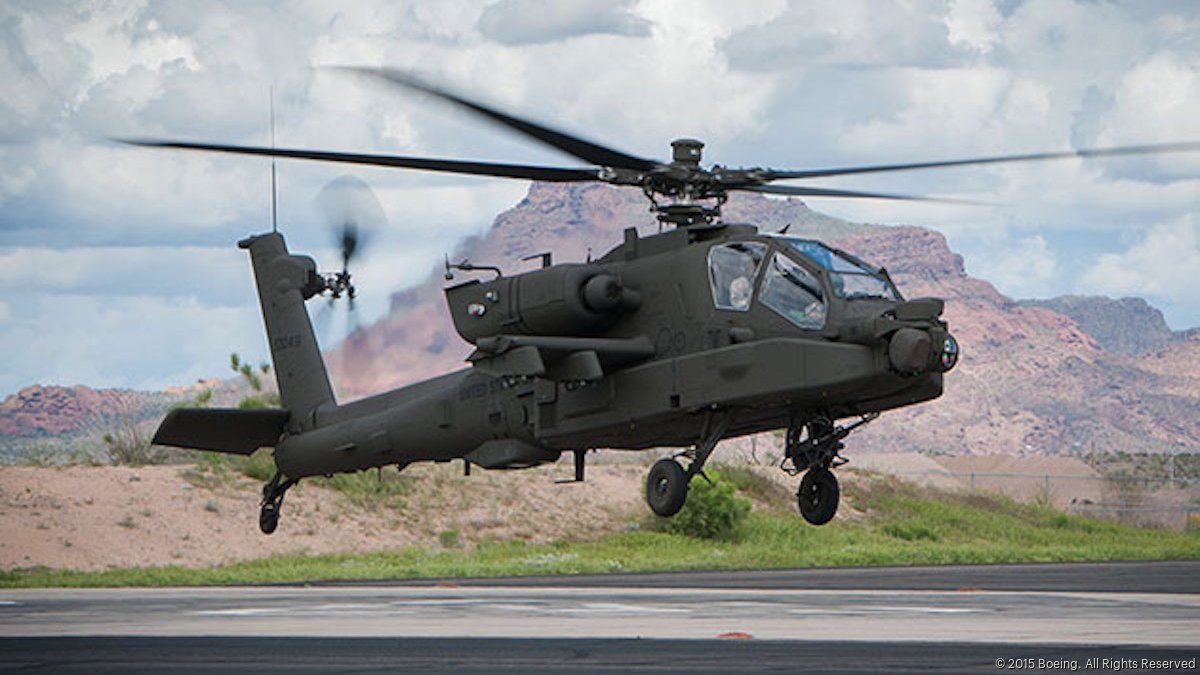
United States military forces conducted targeted airstrikes against facilities in Iran following the loss of an American Apache helicopter in the region. The Pentagon confirmed that the operation was a direct response to the downing of the aircraft, which officials state was engaged in routine operations before being struck by hostile fire. The escalation marks a significant shift in regional tensions, drawing immediate international scrutiny as diplomatic channels between Washington and Tehran remain strained.
According to the U.S. Department of Defense, the strikes focused on military infrastructure identified as being responsible for the initial attack on the helicopter. While the Pentagon has not disclosed the precise coordinates of the bombed sites, officials stated that the objective was to degrade the capabilities of the forces involved in the shoot-down. The situation remains fluid as both nations assess the tactical impact of the exchange.
Strategic Impact of the Military Response
The U.S. airstrikes have drawn criticism and concern regarding the potential for broader regional instability. Reports from international observers suggest that the targeted infrastructure included facilities beyond strictly military outposts, raising questions about the scope of the engagement. The Reuters news agency reported that regional powers are monitoring the developments closely, fearing that the destruction of critical infrastructure could lead to humanitarian challenges for local populations.
Military analysts note that the use of retaliatory strikes against specific targets reflects a policy of “calculated deterrence.” By hitting sites linked to the Apache incident, the U.S. aims to signal that further attacks on its personnel or assets will carry a defined cost. However, this strategy faces challenges, as the current geopolitical environment in the Middle East is characterized by a complex web of proxy allegiances and long-standing territorial disputes.
Diplomatic Stagnation and Tensions
The recent military escalation coincides with a period of stalled diplomatic negotiations between the U.S. and Iran. Following the exchange of fire, high-level officials in Washington emphasized that the path to de-escalation remains open, provided that Iran adheres to international norms regarding the safety of foreign military assets. Conversely, Iranian state media has characterized the U.S. actions as an act of aggression, suggesting that the strikes were unprovoked and illegitimate.

The U.S. Department of State maintains that the military action was a necessary exercise of the right to self-defense. In official briefings, spokespeople have reiterated that the U.S. does not seek a wider conflict but will continue to protect its interests in the region. The tension is compounded by the lack of direct communication channels between the two militaries, which increases the risk of miscalculation during periods of heightened alert.
Regional Consequences and Humanitarian Concerns
A significant point of contention following the strikes involves the impact on civilian infrastructure. While the U.S. military maintains that its targeting protocols are designed to minimize collateral damage, reports from humanitarian organizations highlight the vulnerability of shared utility systems in the border regions. The destruction of any reservoir or water management facility, if verified, would represent a severe long-term issue for local communities in arid climates.
As the international community watches these events unfold, the focus has shifted toward the potential for a diplomatic breakthrough. The United Nations has called for maximum restraint from all parties involved, citing the danger of a localized conflict spiraling into a larger humanitarian crisis. For now, the military situation remains locked in a cycle of action and reaction, with both sides reinforcing their positions along strategic corridors.
Next Steps and Official Monitoring
The next confirmed checkpoint in this unfolding situation will be the release of the official After-Action Report by the U.S. Central Command, which is expected to provide more specific details regarding the targets engaged and the assessment of the threat neutralized. Furthermore, the United Nations Security Council is scheduled to hold a briefing on regional security, where member states are expected to discuss the implications of the latest escalation.
Public interest remains high as the situation develops. Readers are encouraged to monitor official statements from the Department of Defense and the State Department for verified updates regarding the status of regional operations. We invite readers to share their perspectives on the diplomatic implications of these events in the comments section below.
Worth a look