
Scientific advancements in gene editing and artificial intelligence have reached a significant threshold, prompting international debate over the ethical and existential risks of human enhancement and autonomous machine intelligence. Recent reports indicate that researchers have achieved higher precision in embryonic DNA modification, while developers in the artificial intelligence sector report that systems are increasingly capable of accelerating their own technical evolution. These developments, emerging simultaneously, have raised concerns among regulators and scientists regarding the pace of technological change and the capacity of existing institutional frameworks to maintain oversight.
The convergence of these technologies highlights a period of rapid innovation that parallels historical shifts in scientific capability, such as the development of nuclear fission or the emergence of CRISPR-Cas9 gene editing. According to data from the International Society for Stem Cell Research, the ability to modify human embryos with high precision requires rigorous ethical vetting and adherence to international safety standards, which currently prohibit clinical applications in humans. Simultaneously, AI safety researchers at institutions like the Anthropic Research team have noted that the potential for recursive self-improvement in AI systems necessitates a proactive approach to governance to prevent unintended consequences.
The Evolution of Embryonic Gene Editing
Recent technical progress in genetic engineering has focused on base editing, a method that allows scientists to alter individual DNA letters without creating double-strand breaks in the genome. Research led by scientists at Columbia University Irving Medical Center has demonstrated the potential to target specific genes, such as PCSK9, which is linked to cholesterol levels, and HBG, associated with hemoglobin production. Unlike earlier iterations of CRISPR technology, which were criticized for causing off-target genetic damage, these newer methods aim to minimize chromosomal instability.
The scientific community remains cautious. According to the Nuffield Council on Bioethics, any application of these technologies to human embryos that could result in a pregnancy carries significant risks, including the potential for unforeseen long-term health effects in future generations. Current international guidelines, including those established by the World Health Organization, emphasize that the safety and efficacy of germline editing have not been established, and the scientific consensus continues to oppose clinical use at this time.
Recursive Self-Improvement in Artificial Intelligence
Parallel to biological advancements, the field of artificial intelligence is grappling with the concept of recursive self-improvement, where AI systems contribute to the design and refinement of their own architecture. Anthropic, an AI safety and research company, recently published findings suggesting that its models are increasingly utilized in the coding and experimental design phases of development. While this capability could theoretically accelerate scientific discovery, it also introduces challenges regarding predictability and control.
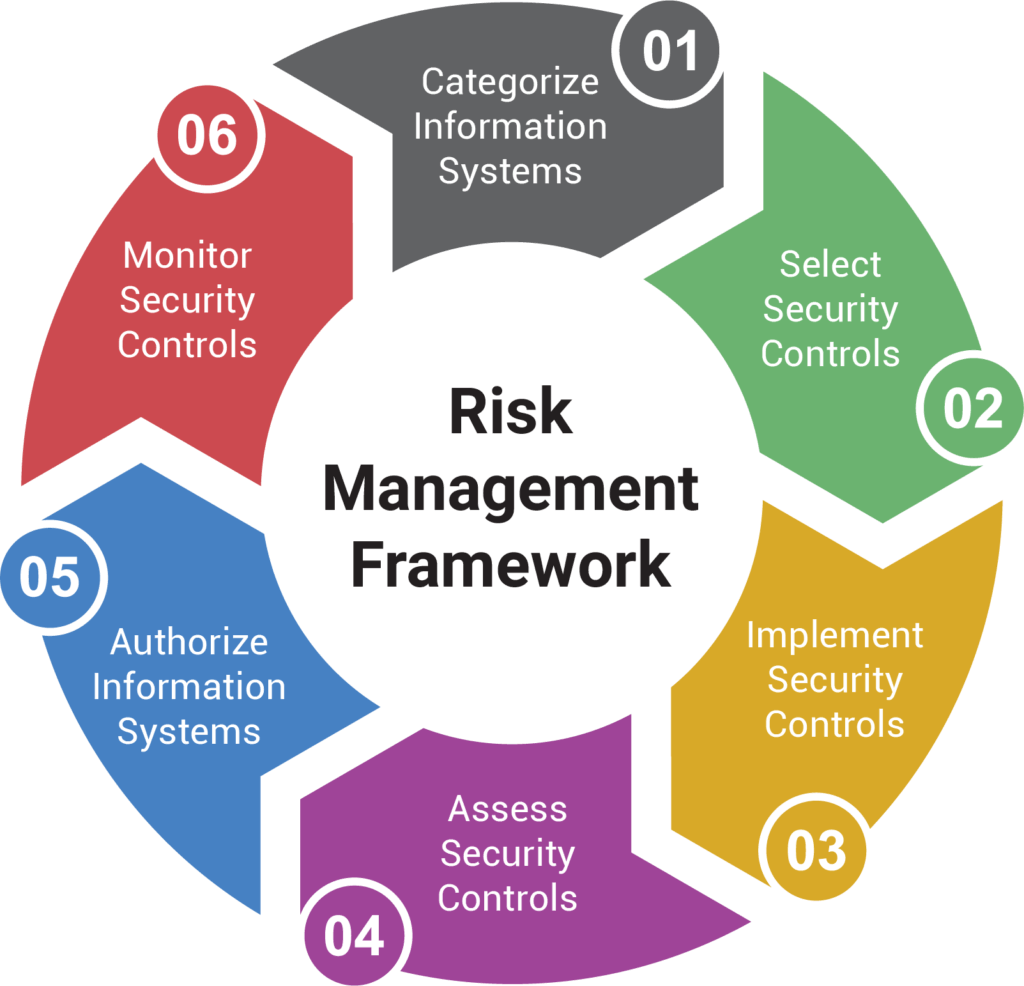
The National Institute of Standards and Technology (NIST) has begun developing an AI Risk Management Framework to help organizations identify and mitigate the dangers associated with highly autonomous systems. As AI becomes more integrated into the development of subsequent models, experts argue that the speed of innovation may outpace the current regulatory capacity to assess safety. According to a report from the OECD, international cooperation is essential to establish standards that ensure AI development remains aligned with human safety and ethical values.
Comparing Technological Thresholds
The current state of both biotechnology and artificial intelligence shares a common challenge: the potential for rapid, transformative change that exceeds the speed of institutional response. Unlike the development of nuclear technology, which was largely centralized within state-sponsored programs, these modern technologies are being advanced by a mix of academic, private, and global entities. This decentralization complicates the implementation of uniform safety protocols.
The following table outlines the current regulatory context for these emerging fields:
| Technology | Primary Regulatory Focus | Status of Oversight |
|---|---|---|
| Embryonic Gene Editing | Clinical safety, ethical consent, germline restrictions | Strict international moratorium on clinical use |
| Self-Improving AI | Alignment research, safety testing, bias mitigation | Evolving frameworks; voluntary industry standards |
What Happens Next
The international scientific and policy communities are preparing for several upcoming milestones in the governance of these technologies. In the biotechnology sector, the WHO Expert Advisory Committee on Human Genome Editing continues to monitor global research and provide guidance on the development of regulatory standards. These updates are expected to inform future national policies regarding the scope of permissible genetic research.
For artificial intelligence, the next major checkpoint involves the implementation of the European Union AI Act, which establishes the first comprehensive legal framework for AI systems based on risk categories. This legislation, which began its implementation phase in 2024, is expected to serve as a benchmark for international discussions on AI safety, transparency, and accountability. Stakeholders are encouraged to participate in public consultations and review forthcoming safety guidance from national and international regulatory bodies to stay informed on the shifting landscape of these critical technologies.
Readers are invited to share their perspectives on the balance between scientific progress and the necessity for caution in the comments section below.
Worth a look