
The latest United States Consumer Price Index (CPI) data has intensified the political battleground between the Biden administration and former President Donald Trump, as fluctuating inflation figures become a central pillar of the 2024 presidential campaign. While recent reports indicate a cooling trend in headline inflation, the economic volatility continues to shape political rhetoric and drive significant movements in the global bond markets.
Recent data from the U.S. Bureau of Labor Statistics (BLS) shows that the consumer price index for all urban consumers rose by 3.3% over the last 12 months ending in May 2024. This figure represents a deceleration from the higher inflationary peaks seen in previous years, yet it remains a focal point for political candidates seeking to define the economic health of the nation.
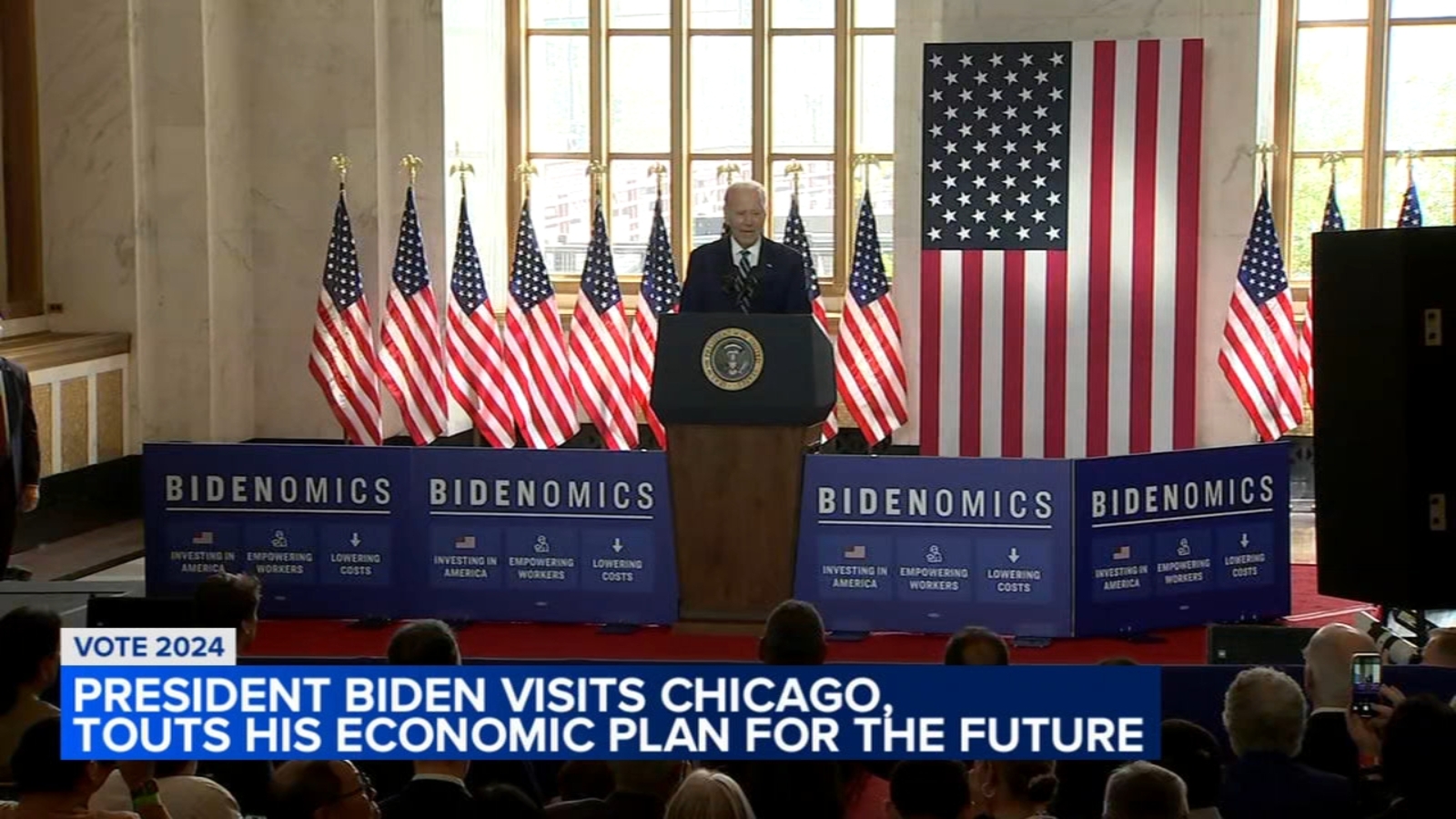
As the election cycle progresses, the intersection of macroeconomic indicators and campaign strategy has become increasingly pronounced. Donald Trump has consistently utilized the inflationary pressures experienced by American households to challenge the current administration’s economic stewardship, creating a high-stakes environment for both voters and financial markets.
What are the latest US inflation figures telling us?
To understand the current economic landscape, it is essential to distinguish between “headline” inflation and “core” inflation. Headline inflation tracks the total inflation within an economy, including volatile sectors like food and energy. Core inflation, however, strips these volatile components away to provide a clearer view of long-term price trends.
According to the May 2024 Consumer Price Index release, core inflation—which excludes food and energy—rose by 0.1% in May on a month-to-month basis. On an annual basis, core inflation stood at 3.4%. While these numbers suggest that the period of hyper-inflationary pressure following the pandemic is subsiding, the pace of decline has been slower than many economists and Federal Reserve officials initially anticipated.

The components of this inflation remain varied. While energy prices have seen significant fluctuations, shelter costs—including rent and owners’ equivalent rent—have remained a persistent driver of upward pressure on the CPI. This “stickiness” in the housing sector is a primary concern for the Federal Reserve, as it complicates the timeline for potential interest rate cuts.
The slowing of inflation in May provided a moment of relief for markets, but the data also highlights the complexity of returning to the Federal Reserve’s long-term target of 2%. The discrepancy between the hope for rapid cooling and the reality of persistent service-sector inflation continues to dictate consumer sentiment and political messaging.
How is Donald Trump utilizing inflation in his campaign?
Donald Trump has integrated the struggle against inflation into the core of his economic platform. Rather than focusing solely on the technicalities of monetary policy, the former president has framed inflation as a direct consequence of the current administration’s fiscal and energy policies. By highlighting the increased cost of living, his campaign seeks to connect macroeconomic data to the daily lived experiences of American voters.
Political analysts note that the “inflation narrative” serves a dual purpose for the Trump campaign. First, it provides a continuous critique of President Biden’s record, suggesting that the economic stability seen during the Trump administration has been eroded. Second, it allows the campaign to advocate for protectionist policies, such as increased tariffs, which Trump argues will protect domestic industries, even as critics warn these measures could themselves contribute to higher consumer prices.

While some commentators have speculated on how different economic outcomes might benefit various political factions, Trump’s official stance remains one of aggressive opposition to current inflationary trends. He has frequently characterized the economic environment as a “disaster” for the middle class, using the CPI as empirical evidence to support his claims of widespread economic mismanagement.
This political utilization of economic data creates a feedback loop. As inflation figures are released, they are immediately parsed through a political lens, influencing both campaign donor confidence and the general electorate’s perception of economic stability. The ability of a candidate to “own” the inflation narrative may prove to be a deciding factor in the upcoming election.
Why are bond yields reacting to inflation shifts?
The relationship between inflation and the bond market is one of the most critical dynamics in global finance. When inflation data is released, Treasury bond yields often react sharply, as investors adjust their expectations for future Federal Reserve policy. This relationship is governed by the concept of “real yields”—the return on a bond after adjusting for inflation.
When inflation begins to show signs of slowing, as seen in the May CPI report, bond yields typically decrease. This happens because lower inflation reduces the likelihood that the Federal Reserve will need to maintain high interest rates to cool the economy. As investors anticipate eventual rate cuts, the demand for existing bonds increases, driving their prices up and their yields down.
For example, following the release of the May inflation data, the yield on the 10-year U.S. Treasury note experienced downward pressure. This movement reflects a market consensus that the inflationary “peak” is in the rearview mirror, even if the journey back to 2% remains uncertain. These shifts in yields have a ripple effect across the entire financial ecosystem:
- Mortgage Rates: Because mortgage lenders often benchmark their rates against the 10-year Treasury yield, a decline in yields can lead to lower borrowing costs for homebuyers.
- Corporate Borrowing: Lower yields reduce the cost of debt for corporations, potentially stimulating business investment and expansion.
- Equity Markets: Lower interest rates generally make stocks more attractive relative to fixed-income assets, often leading to rallies in the stock market.
However, the market remains sensitive to any “upside surprises” in inflation data. Should the CPI unexpectedly rise, bond yields would likely spike as investors price in the possibility of “higher-for-longer” interest rates from the Federal Reserve. This volatility underscores the high stakes of every monthly inflation report.
Key Economic Indicators and Their Impact
| Indicator | Primary Focus | Market Reaction to High Data | Market Reaction to Low Data |
|---|---|---|---|
| CPI (Headline) | Overall cost of living | Rising bond yields; falling stocks | Falling bond yields; rising stocks |
| Core CPI | Long-term price trends | Increased Fed hawkishness | Increased Fed dovishness |
| Unemployment Rate | Labor market health | Potential for rate hikes | Potential for rate cuts |
What to watch in the coming months
Investors and political observers should look toward several key upcoming milestones that will likely dictate the trajectory of both the economy and the election campaign. The most immediate focus remains on the monthly CPI and Personal Consumption Expenditures (PCE) reports, the latter being the Federal Reserve’s preferred gauge for inflation.
Furthermore, the Federal Open Market Committee (FOMC) meetings will provide crucial signals regarding the timing and magnitude of any potential interest rate adjustments. Each meeting’s communique will be scrutinized for hints of a “pivot” toward monetary easing or a continued commitment to restrictive policy.
As the summer progresses, the labor market will also play a decisive role. If the economy experiences a significant cooling in job growth alongside declining inflation, the case for interest rate cuts will strengthen. Conversely, a resilient labor market coupled with sticky inflation could force the Federal Reserve to keep rates elevated for much longer than the market currently expects.
The next major checkpoint for inflation data will be the release of the June CPI report, scheduled for mid-July. This data will be vital in determining whether the May deceleration was a temporary dip or the beginning of a sustained downward trend.
For real-time updates on economic policy and market movements, please monitor official statements from the Federal Reserve and the Bureau of Labor Statistics.
What are your thoughts on the current economic direction? Do you believe inflation is finally under control, or is more volatility ahead? Share your insights in the comments below and share this article with your network.
Worth a look
- Na Kyung-won to Propose Income Tax Amendment to Ease Tax Burden for Long-Term Single-Homeowners
- First Raccoons Graduate from San Diego Humane Society Nursery and Return to the Wild
- Armed Security Officer Incident Response Patrol Job in Raleigh NC (archyde.com)
- Emergency Response in Johnston, Rhode Island: August 6, 2026 (news-usa.today)