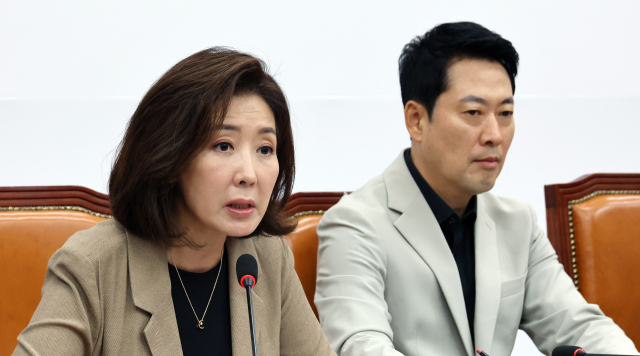
Representative Na Kyung-won of South Korea’s ruling People Power Party has announced plans to introduce an amendment to the Income Tax Act aimed at shielding long-term, single-home owners from steep tax surges. The proposed legislative change targets a structural issue in real estate taxation where households experience sudden financial strain due to property holding periods and shifting residential circumstances.
The legislative initiative responds to growing public concern over the compounding tax burdens faced by individuals who remain in a single property for extended periods. According to statements shared via social media channels by Representative Na on Feb. 7, the forthcoming amendment addresses specific vulnerabilities within the current legal framework governing comprehensive real estate holding taxes and capital gains calculations.
Under existing South Korean tax structures, long-term homeowners frequently encounter elevated tax liabilities when market valuations shift rapidly or when personal life events—such as job relocations—intersect with strict statutory criteria. The proposed amendment seeks to recalibrate these thresholds, offering targeted relief to stable homeowners who do not engage in speculative real estate trading.
Addressing Tax Pressures Caused by Job Relocations and Extended Tenure
The core motivation behind the proposed Income Tax Act revision centers on mitigating unintended penalties for homeowners tied to a single residence over many years. Representative Na highlighted scenarios involving professional mobility, noting that mandatory job relocations often complicate residential stability and trigger severe tax consequences under current regulations.
Financial analysts and policy observers have long debated the balance between stabilizing the housing market and protecting primary residents from excessive fiscal pressure. While South Korea’s tax policy historically utilizes holding periods to determine reduction rates for capital gains tax, rapid increases in public land valuation indices have outpaced existing statutory deductions. The upcoming bill intends to adjust these statutory mechanisms to reflect real economic conditions more accurately.
Stakeholders across the real estate sector have closely monitored legislative discussions surrounding housing taxation. Homeowner advocacy groups argue that long-term single-home occupants provide stability to neighborhoods and should not bear the brunt of broad macroeconomic cooling measures designed to curb speculative investment. The People Power Party’s legislative push aims to codify protections that insulate these occupants from sudden fiscal shocks.
Legislative Pathway and Parliamentary Considerations
Introducing the amendment requires navigating South Korea’s National Assembly, where legislative priorities are subject to intense negotiation between the ruling bloc and opposition parties. Drafting the formal bill involves precise legal definitions regarding qualifying holding periods, maximum valuation limits, and exceptions for involuntary moves such as employment transfers or medical necessities.
As the legislative process advances, the National Assembly’s Strategy and Finance Committee will review the text of the proposed amendment upon its official submission. Lawmakers are expected to debate the fiscal impact on local government revenues, as property and income taxes contribute significantly to regional municipal budgets. Proponents of the bill maintain that targeted relief for single homeowners will not destabilize national tax collections, while critics may call for rigorous fiscal impact assessments.
Further updates regarding the formal introduction date and committee schedule will be made available through the National Assembly’s legislative information system. Readers interested in following the progress of the bill can monitor official parliamentary announcements and upcoming committee hearing notices.
Keep reading