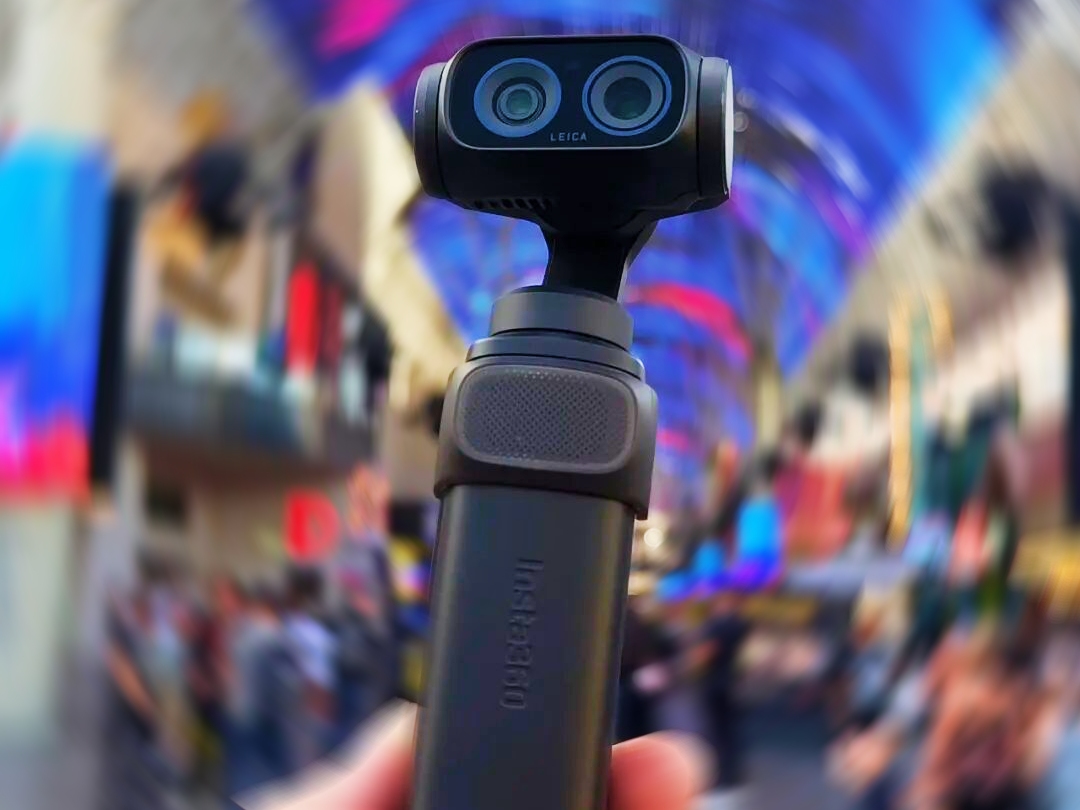
Insta360 has introduced the Luna Ultra, a new compact gimbal camera designed to compete directly in the handheld stabilization market, challenging established devices like the DJI Osmo Pocket series. The device features an integrated 8K video recording capability and advanced AI-driven subject tracking, positioning itself as a high-performance alternative for content creators who prioritize sensor quality and automated framing. According to technical specifications released by the manufacturer, the camera incorporates optics developed in collaboration with Leica, marking a strategic effort to appeal to users seeking professional-grade imaging in a portable form factor.
The release of the Luna Ultra arrives as competition intensifies in the creator-focused hardware sector. While DJI has maintained a dominant market share with the Osmo Pocket line, Insta360 is leveraging its history in action cameras and 360-degree imaging to capture a segment of the market focused on high-resolution, stable footage. The device is expected to reach retail availability in the coming weeks, according to early product announcements from the company.
Technical Specifications and Imaging Capabilities
The core of the Insta360 Luna Ultra is its 8K imaging sensor, which represents a significant push into higher resolution for the pocket-gimbal category. By utilizing Leica optics, the camera aims to improve color science and low-light performance, two areas historically prioritized by professional cinematographers. The integration of a 3-axis mechanical gimbal ensures that footage remains steady even during rapid movement, a standard requirement for vloggers and independent filmmakers. Official product documentation confirms that the camera supports multiple frame rates at its maximum resolution, providing flexibility for post-production editing.
Artificial intelligence remains a central pillar of the Luna Ultra’s feature set. The company has implemented proprietary AI tracking algorithms designed to keep subjects in frame automatically, even if they move quickly across the field of view. This functionality is intended to reduce the technical barrier for solo creators who do not have a dedicated camera operator. According to industry analysis from Notebookcheck, the combination of mechanical stabilization and software-based AI tracking creates a distinct workflow advantage for users filming dynamic content in outdoor environments.
Market Positioning Against DJI
The launch of the Luna Ultra is widely viewed as a direct move to challenge the DJI Osmo Pocket 4P. While DJI has long been the industry standard for stabilization, the Luna Ultra introduces a competitive pressure that focuses on specific hardware advantages, such as the Leica-branded lens system. Market observers note that the success of such devices often hinges on the ecosystem and software integration provided by the manufacturer. Insta360 has historically prioritized user-friendly mobile applications that allow for rapid content editing, a feature set that will be essential for the Luna Ultra to gain traction among existing DJI users.
Pricing strategies for the new hardware have not yet been finalized for all global regions, though early reports indicate a competitive tiered structure intended to undercut or match the current flagship offerings from DJI. For consumers, the choice between the two brands will likely come down to individual preferences regarding color profiles and the specific stabilization behavior of the mechanical gimbals. According to data provided by Gagadget, the inclusion of 8K resolution provides a future-proofed specification that may sway users looking for the highest possible detail in their source material.
What Creators Should Consider Before Switching
For creators currently invested in the DJI ecosystem, transitioning to the Luna Ultra involves more than just a hardware change. It requires migrating to a new software environment for media management and automated editing. Insta360’s software suite, known for its “Auto Edit” features, is designed to synthesize raw footage into social-media-ready clips. However, professionals who rely on manual controls for ISO, shutter speed, and white balance will need to evaluate the Luna Ultra’s interface to ensure it meets their specific workflow requirements.
The hardware durability of the Luna Ultra also plays a role in its market viability. As a device intended for travel and active use, the build quality—specifically the protection of the gimbal mechanism—is a primary concern for potential buyers. While official drop-test data is currently limited to manufacturer claims, early hands-on assessments suggest a robust chassis design. Consumers are encouraged to verify the latest warranty terms and support availability in their specific region via the official Insta360 support portal before committing to a purchase.
Future Updates and Availability
Insta360 has signaled that the Luna Ultra will receive ongoing firmware support to refine its AI tracking capabilities and image processing. This is a common practice in the tech industry, where post-launch updates are used to improve device performance based on real-world user feedback. The company has not yet provided an exact date for the first major software update, but standard industry timelines suggest that initial feedback loops will drive the first round of optimizations.
Interested users can monitor the official product page for updates regarding regional shipping dates and accessory compatibility. As the device moves toward wider distribution, additional reviews and long-term performance tests are expected to appear from independent tech reviewers. For those looking to compare the Luna Ultra against existing models, keeping an eye on official product comparison tables provided by major retailers will be the most accurate way to assess the current value proposition.
Readers are invited to share their experiences with handheld gimbal systems in the comments section below. Further updates regarding the Luna Ultra will be provided as more technical documentation and user data becomes available.
Related reading