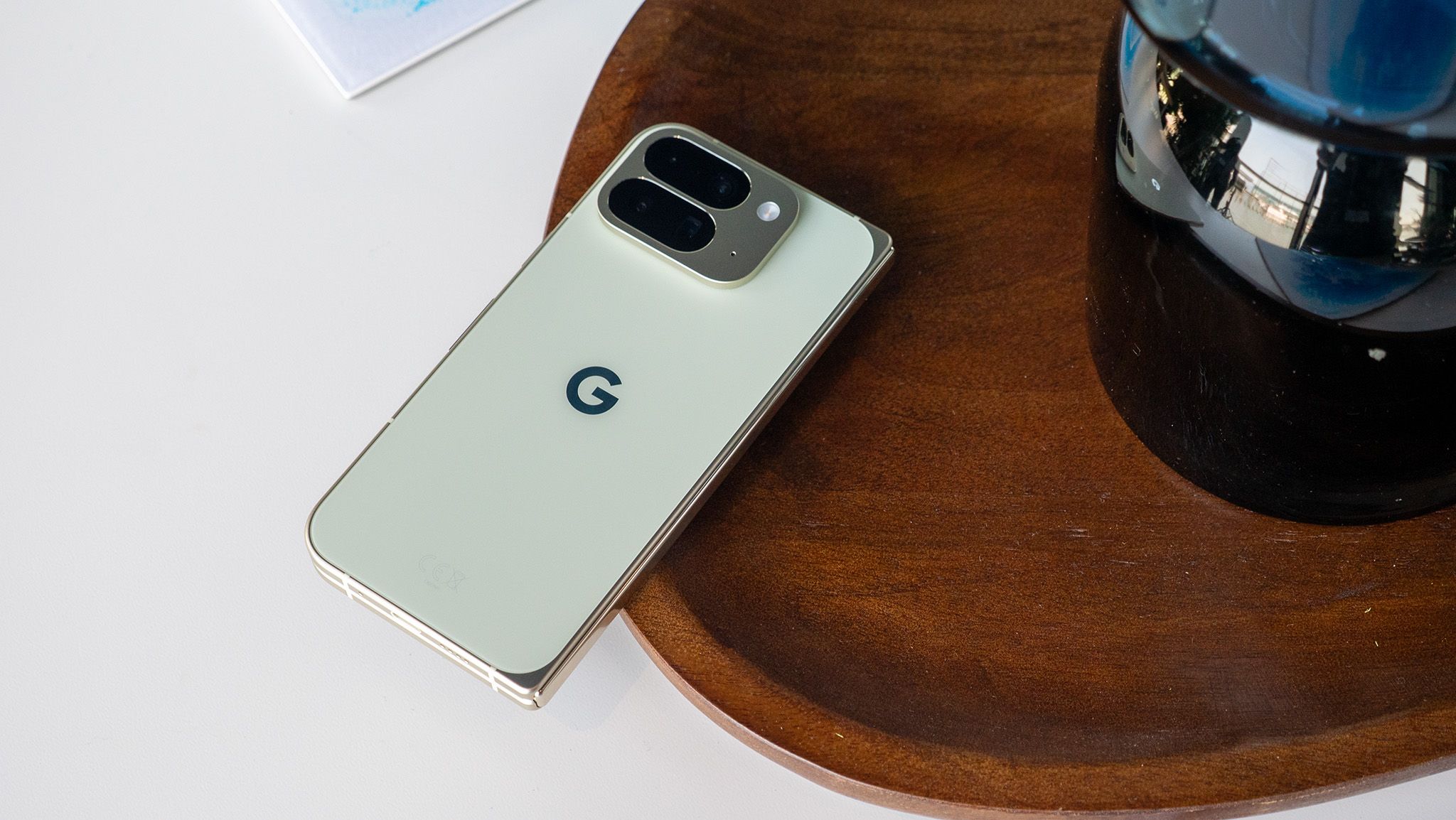
When shopping for top-tier Android foldables, mobile enthusiasts often weigh Samsung and Google against each other to find the best hardware-software balance. The Samsung Galaxy Z Fold 8 Ultra and the Google Pixel 10 Pro Fold represent the pinnacle of foldable engineering in the United States market, yet they approach durability, performance, and everyday convenience from radically different design philosophies.
Samsung officially introduced the Galaxy Z Fold 8 Ultra on July 22, 2026, rolling out incremental hardware improvements over its predecessor. Meanwhile, Google carved out its own path with the Pixel 10 Pro Fold, announced alongside the Pixel 10 series on August 20, 2025. Choosing between Samsung’s ultra-thin profile and Google’s rugged, AI-integrated approach depends heavily on what buyers value most in a high-end device.
Pricing and Availability: Cost vs. Storage
Pricing remains a major differentiator between these two flagships. According to market releases, Samsung increased the price of the Galaxy Z Fold 8 Ultra by $100 compared to last year’s model, bringing its starting price in the U.S. to $2,100 for a configuration featuring 256GB of storage and 12GB of RAM.
In contrast, the Pixel 10 Pro Fold undercuts its Samsung rival significantly. Google launched its foldable starting at $1,799 for the 256GB tier—a $300 savings compared to the Fold 8 Ultra. Furthermore, Google includes 16GB of RAM across all storage variants, whereas buyers must step up to higher tiers on the Samsung side to match that memory capacity.
Design and Durability: Slim Build vs. IP68 Protection
Samsung focused heavily on shaving millimeters off its hardware. The Galaxy Z Fold 8 Ultra measures an astonishing 4.1mm when unfolded, utilizing a clean back panel, squared edges, and a vertical pill-shaped camera module. It also employs Flex Titanium technology to minimize the inner display crease.
Google’s device takes a slightly thicker and heavier approach. The Pixel 10 Pro Fold measures about 10.8mm thick when folded and weighs 258 grams, compared to Samsung’s slimmer 8.9mm folded thickness and 215-gram weight. However, Google claims a major victory in durability by securing an IP68 dust and water resistance rating. Samsung’s device offers only IP48 protection despite an updated hinge mechanism.
Both inner foldable panels measure approximately 8 inches and achieve peak brightness levels of up to 3,000 nits. The Pixel 10 Pro Fold features a 6.4-inch cover screen, while the Galaxy Z Fold 8 Ultra matches it with a 6.5-inch outer display.
Hardware and Performance: Snapdragon Power vs. Google Silicon
Under the hood, the two foldables target different performance tiers. Samsung equips the Galaxy Z Fold 8 Ultra with the Snapdragon 8 Elite Gen 5 chipset for Galaxy, providing top-tier processing power for demanding mobile tasks. Google powers the Pixel 10 Pro Fold with its Tensor G5 chip, built on a 3nm TSMC process. While the Tensor G5 delivers major efficiency gains over previous Google silicon, independent hardware analysis shows it falls behind Qualcomm’s processor in raw computational power.
Battery capacity and charging technologies also diverge. Both devices house cells right around 5,000mAh—with Samsung utilizing advanced silicon-carbon technology—but Samsung supports faster 45W wired charging compared to Google’s 30W limit. Google fights back on charging convenience by integrating PixelSnap Qi2 magnets directly into the phone, allowing users to attach MagSafe-compatible accessories without needing a specialized case. Samsung omitted built-in magnetic wireless charging, requiring users to buy an accessory case to use Qi2 chargers.
Camera Systems: High Megapixel Counts vs. Optical Zoom
Imaging capabilities reflect each brand’s computational and sensor philosophy. Samsung relies on a massive 200-megapixel primary wide sensor, paired with an upgraded 50-megapixel ultra-wide shooter and a 10-megapixel telephoto lens offering 3x optical zoom.

Google equips the Pixel 10 Pro Fold with a 48-megapixel primary camera, a 10.5-megapixel ultra-wide sensor, and a 10.8-megapixel telephoto lens with a longer 5x optical zoom reach. While reviewers note that Samsung’s iterative sensor upgrades give it an edge in resolution and clarity, Google’s image processing and Pixel-exclusive AI tools provide a distinct shooting experience.
Ultimately, buyers prioritizing raw performance, a nearly invisible screen crease, and a featherlight unfolded profile will find the Galaxy Z Fold 8 Ultra compelling, despite its higher $2,100 price tag. Conversely, those seeking robust IP68 durability, built-in magnetic charging convenience, and a lower $1,799 entry point may lean toward Google’s offering.
Worth a look