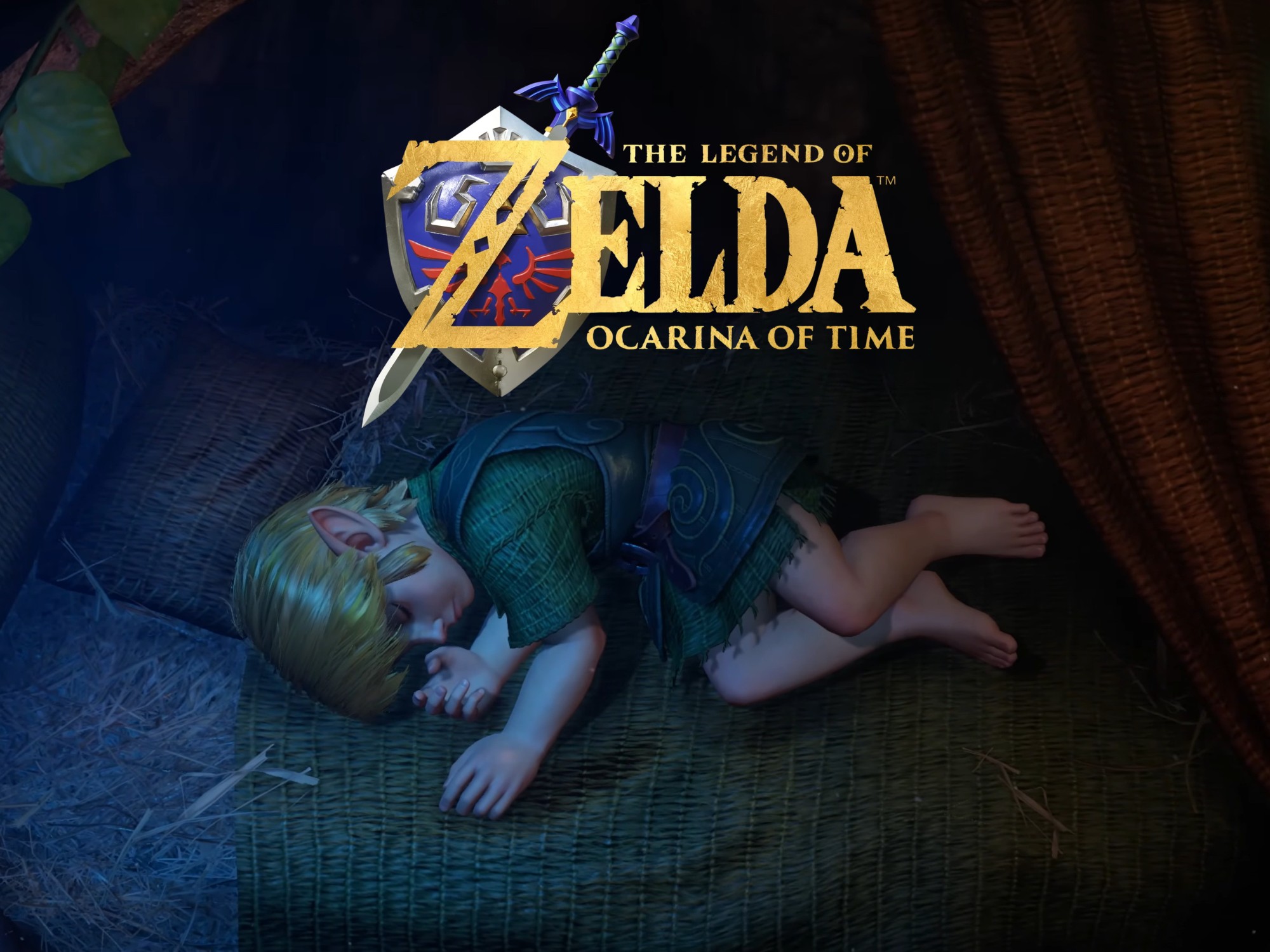
Industry analysts and Nintendo shareholders are currently evaluating the impact of recent market fluctuations following the company’s latest digital presentation, as reports emerge regarding the harassment of individuals involved in video game industry leaks. While Nintendo has not officially announced a remake of The Legend of Zelda: Ocarina of Time, speculation regarding the title remains a consistent subject of discussion within gaming communities and financial forums.
The intersection of industry forecasting, unauthorized information sharing, and online safety has become a focal point of recent discourse. According to financial reports, Nintendo saw a notable shift in its market valuation following its most recent Nintendo Direct event, with some analysts pointing to a cooling of investor expectations regarding the company’s release pipeline. Data from the Tokyo Stock Exchange reflects that Nintendo Co., Ltd. (TYO: 7974) experienced a decline in share price shortly after the presentation, a movement that market observers often attribute to the gap between speculative consumer anticipation and official corporate announcements.
The discourse surrounding potential high-profile remakes, such as the 1998 classic Ocarina of Time, often originates from unverified third-party sources. When these rumors fail to materialize during official events, the resulting disappointment among fan bases can lead to intense, and occasionally hostile, online interactions directed at those perceived to be responsible for the initial claims.
Market Response and Investor Sentiment
Following the conclusion of the recent Nintendo Direct, financial news outlets reported a decline in the company’s stock price, with some figures citing a drop of approximately 7% in the immediate aftermath of the broadcast. This market reaction is not uncommon in the gaming sector, where valuations are often heavily influenced by the announcement of major software titles. As noted by financial researchers, institutional investors frequently adjust their positions based on the presence or absence of “tentpole” releases that are expected to drive hardware sales during upcoming fiscal quarters.

The gap between enthusiast speculation—often fueled by social media leaks—and the reality of a company’s development roadmap frequently results in market volatility. Investors rely on official communications, such as those found on the Nintendo Investor Relations portal, to gauge future revenue streams. When rumors suggest the imminent return of a legacy title like Ocarina of Time, market expectations may be artificially inflated, leading to a downward correction when those expectations are not met by the publisher.
The Human Cost of Industry Leaks
The culture of “leaking” information in the gaming industry has prompted a broader conversation regarding the safety of those involved in the information ecosystem. Reports indicate that individuals who circulate information about potential game projects—whether accurate or speculative—have increasingly become targets of severe online harassment, including threats of violence.

This trend highlights the volatility of digital fan communities. When a highly anticipated title fails to appear, the frustration of the community is often projected onto the individuals who first propagated the rumor. From a professional standpoint, such behavior underscores the distinction between legitimate industry reporting and the unregulated dissemination of unverified information. Ethical journalism standards, as practiced by organizations like the Online News Association, emphasize the importance of verifying information through official channels before publication to mitigate the spread of misleading claims that can incite such negative outcomes.
Distinguishing Rumor from Official Roadmap
For players and investors alike, the primary challenge remains the distinction between credible reporting and community-driven speculation. Nintendo maintains a rigorous schedule for its product reveals, typically communicated through its Direct format. According to the company’s official website, all confirmed upcoming titles are showcased through these verified channels. Any information regarding software development that does not originate from Nintendo or its authorized partners remains, by definition, unconfirmed.
The persistent rumors surrounding The Legend of Zelda: Ocarina of Time demonstrate the enduring legacy of the game, originally released for the Nintendo 64. While the title remains one of the most critically acclaimed games in history, there has been no official statement from Nintendo confirming that a remake is currently in development. Consumers are encouraged to monitor official Nintendo social media accounts and press releases for the only reliable source of information regarding future game releases.
What Happens Next
The next major milestone for Nintendo shareholders and fans will be the release of the company’s next quarterly financial results, where management is expected to provide further clarity on the fiscal outlook and the software release schedule. These reports, which are filed periodically with regulatory bodies, serve as the definitive record of the company’s direction. Readers interested in the latest official developments are encouraged to follow the Nintendo Investor Relations page for verified updates.
The conversation regarding industry leaks and the safety of those involved is ongoing. We invite our readers to share their perspectives on how the industry can balance the excitement of new releases with the need for a respectful and safe digital community in the comments section below.