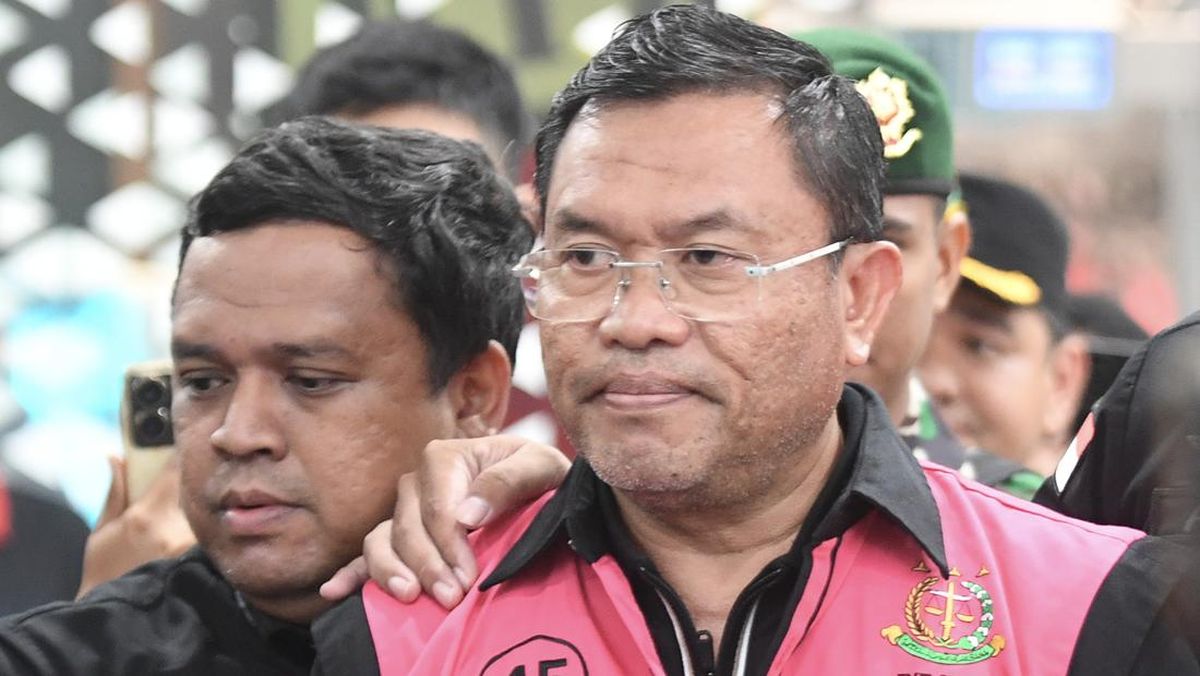
Indonesian authorities are currently evaluating the implications of testimony provided by Sony Sanjaya regarding the alleged corruption scandal involving the Makanan Bergizi Gratis (MBG) program. While reports of a list containing 26 names allegedly linked to the case have circulated, government officials have emphasized that any individual—regardless of their position in the executive, legislative, or judicial branches—will face legal scrutiny if sufficient evidence of involvement is established.
The investigation remains in its preliminary stages, with legal experts and government representatives stressing the necessity of a rigorous, evidence-based approach. As the case unfolds, the potential for individuals to seek status as a justice collaborator has become a central point of discussion, though official procedures for such protections remain distinct from public discourse.
The Legal Framework of the MBG Investigation
The corruption allegations surrounding the Makanan Bergizi Gratis (MBG) program have triggered a broad inquiry into institutional oversight and the distribution of public funds. According to statements from the Presidential Palace, the administration has maintained a stance of non-interference, asserting that law enforcement agencies possess the mandate to pursue the case without regard for the political or professional status of those implicated. The government’s position is that the legal process must remain transparent and that no entity, whether within the executive, legislative, or judicial spheres, is immune to investigation if evidence warrants it, as reported by VIVA.co.id.
The complexity of the case lies in the verification of claims made by individuals like Sony Sanjaya. While media reports have highlighted the existence of a “list” of names, official confirmation regarding the identities or the specific roles of those individuals has not been publicly released by the Attorney General’s Office or the Corruption Eradication Commission (KPK). The emphasis from legal analysts remains on the distinction between allegations made in the public sphere and evidence admissible in a court of law.
Status of Justice Collaborator Applications
A significant aspect of the current discourse involves the potential for suspects to cooperate with authorities in exchange for leniency, a process governed by the Witness and Victim Protection Agency (LPSK). Despite public speculation regarding Sony Sanjaya’s potential role as a justice collaborator, official records indicate that no formal application for protection has been submitted to the LPSK as of the most recent updates, according to reports from SINDOnews.
Under Indonesian law, the status of a justice collaborator is not a tool for negotiation behind closed doors but a formal legal process requiring strict criteria, including the suspect’s willingness to provide significant information that helps uncover deeper layers of the crime. Legal observers note that the process requires the applicant to be a perpetrator who is not the primary actor and who is willing to testify truthfully throughout the judicial process. The lack of a formal filing suggests that the legal strategy for those involved remains fluid.
Contradictions and Public Denials
The investigation has been marked by a series of denials from various figures whose names have been linked to the scandal in media reports. Several individuals have publicly distanced themselves from Sony Sanjaya, stating they have had no professional or personal dealings with him that would relate to the MBG program. These denials highlight the difficulty of distinguishing between corroborated testimony and speculative association in high-profile corruption cases.
The disparity between the claims made by Sony Sanjaya and the responses from those named serves as a reminder of the importance of due process. According to legal experts cited by Kompas.com, the focus of the investigation should be on “uncovering the truth” through verified data and financial audits rather than relying solely on the testimony of a single individual, which can be subject to ulterior motives or inaccuracies.
What Happens Next?
The next phase of the investigation will likely center on the verification of documents and financial trails associated with the MBG budget. As the Attorney General’s Office continues its work, the public can expect updates regarding whether the “26 names” identified in media reports will be summoned for questioning. The timeline for these developments depends on the progress of the investigators’ review of evidence and the testimonies gathered thus far.
For citizens and stakeholders following the case, official announcements from the Attorney General’s Office remain the primary source of verified information. The legal proceedings will move forward in accordance with the Criminal Procedure Code (KUHAP), which dictates the stages of investigation, prosecution, and trial. The public is encouraged to monitor official press releases from the relevant law enforcement agencies for updates regarding the status of the investigation.
This is a developing story. We will continue to update this report as official court documents or statements from the Attorney General’s Office become available. Readers are encouraged to share their thoughts and follow our reporting for further developments on this case.
Worth a look