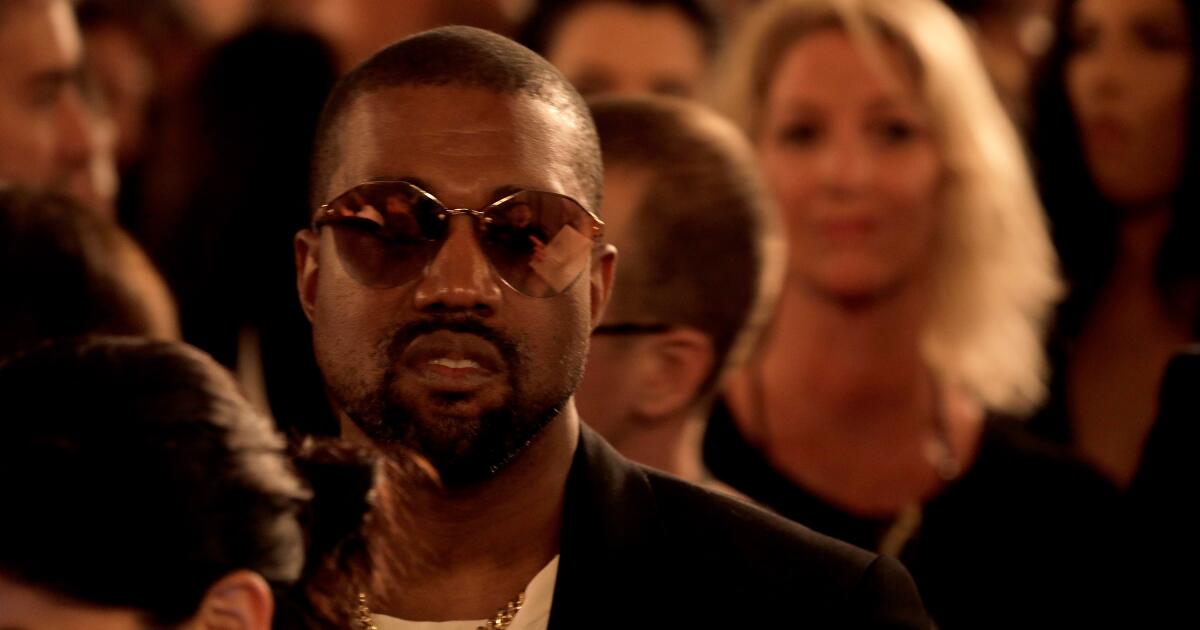
Legal counsel for Ye, the artist formerly known as Kanye West, has argued in court filings that alleged sexual assault conduct described by a former employee is protected under the First Amendment as a form of artistic expression. The defense motion, submitted in response to a civil lawsuit filed by Jennifer An, contends that the behavior in question—which includes allegations of graphic sexual commentary and actions—constitutes performance art rather than actionable misconduct.
According to court documents, Jennifer An alleges that during her tenure working for the rapper, West engaged in sexually explicit behavior and verbal abuse, claiming that he justified the actions by stating, “This is art, I’m Picasso.” The plaintiff asserts that these incidents created a hostile and abusive work environment. Legal representatives for West have moved to dismiss these claims, maintaining that the speech and actions cited by the plaintiff are shielded by constitutional guarantees regarding freedom of expression, even when such expression is perceived as offensive or provocative.
Legal Arguments and Constitutional Defenses
The core of the defense strategy rests on the assertion that West’s conduct, as described in the complaint, falls within the scope of protected artistic speech. Defense attorneys argue that the legal system should not adjudicate or penalize “artistic” choices, regardless of how controversial or disturbing they may appear to the public or the plaintiff. This defense seeks to apply the First Amendment as a broad shield against civil liability for workplace conduct that the defense characterizes as part of the artist’s creative process.
Legal experts note that the intersection of workplace harassment laws and the First Amendment is a complex area of litigation. While the First Amendment protects a wide range of speech, courts have historically held that it does not provide an absolute immunity for behavior that creates a pervasive hostile work environment under federal statutes such as Title VII of the Civil Rights Act of 1964, which prohibits discrimination and harassment in employment settings. The outcome of this motion will depend on whether the court views the alleged conduct as strictly expressive or as prohibited workplace conduct that transcends artistic license.
The Plaintiff’s Allegations and Workplace Impact
Jennifer An’s lawsuit details a series of encounters she claims occurred during her employment, alleging that West’s behavior was not only unprofessional but constituted sexual harassment. The complaint documents specific instances where the plaintiff claims she was subjected to unwanted sexual advances and explicit commentary. These allegations are part of a broader civil action seeking damages for the emotional and professional distress she asserts resulted from her time working for the artist.
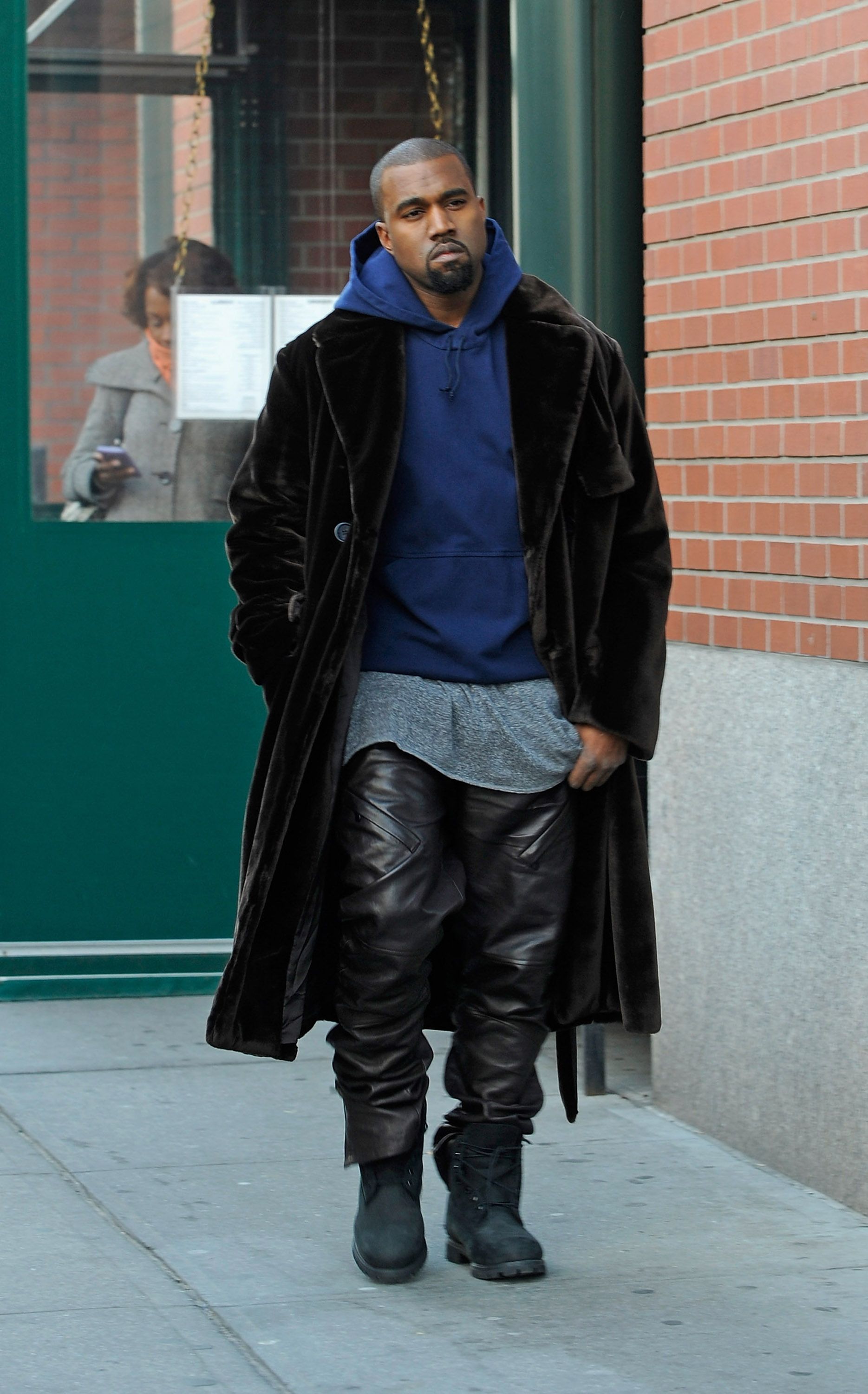
The legal standard for a hostile work environment generally requires a plaintiff to demonstrate that the conduct was unwelcome, based on sex, and sufficiently severe or pervasive to alter the conditions of employment. According to guidelines from the U.S. Equal Employment Opportunity Commission (EEOC), employers are responsible for maintaining a workplace free from harassment, and personal creative expression does not typically exempt an employer from these federal mandates. The court will now have to determine if the specific allegations meet these legal thresholds or if the defense’s characterization of the events as “art” holds weight under current jurisprudence.
Broader Implications for Celebrity Litigation
This case highlights an increasing trend where high-profile figures attempt to utilize constitutional defenses to counter civil litigation involving personal or professional misconduct. By framing private workplace interactions as public-facing “art,” defendants like West are testing the boundaries of how much leeway the legal system grants to individuals who define their entire lives and interactions as performance. This strategy forces courts to weigh the sanctity of free expression against the statutory protections afforded to employees.
If the court accepts the argument that the conduct was a form of artistic expression, it could set a notable precedent for how future harassment cases involving celebrities or creative industries are handled. Conversely, a rejection of this motion would reaffirm that workplace conduct standards remain distinct from the protections granted to artistic output. The litigation is currently in the pre-trial phase, with both sides awaiting further rulings on the motion to dismiss.
Next Steps in the Judicial Process
The immediate next step for the court is to rule on the motion to dismiss filed by West’s legal team. If the judge denies the motion, the case will likely proceed to the discovery phase, where both parties will exchange evidence, conduct depositions, and further substantiate their claims. If the motion is granted, the plaintiff may have the opportunity to amend the complaint or face the potential dismissal of these specific counts.
Updates regarding the court’s decision on the motion are expected to be filed through the relevant jurisdiction’s public access portal. As this is an ongoing civil matter, there are no immediate hearings scheduled that have been publicized to the press. We will continue to monitor the court docket for official filings and provide updates as they become available. Please share your thoughts in the comments section below or join the conversation on our social media platforms.
Worth a look