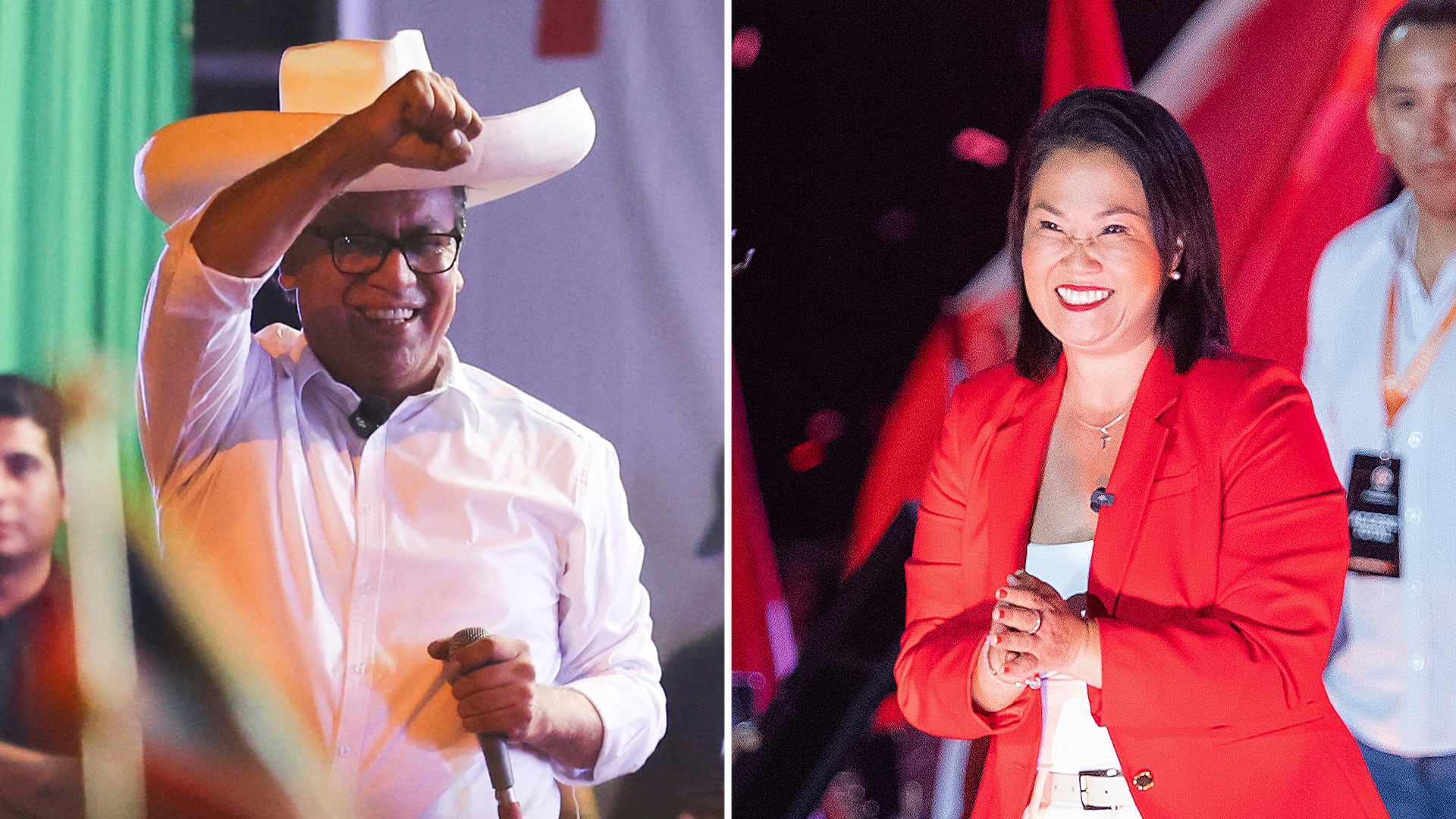
Keiko Fujimori, the leader of the Fuerza Popular party, has seen a significant shift in her electoral prospects as votes from Peruvian citizens residing abroad continue to be processed. According to the Oficina Nacional de Procesos Electorales (ONPE), the official body responsible for overseeing elections in Peru, the inclusion of the “voto extranjero” has tightened the margin in the recent presidential contest, placing Fujimori in a competitive position as the final tallies are reconciled.
This development follows a period of intense political volatility in Peru, where the electoral process has been characterized by narrow margins and a high degree of uncertainty. As of the most recent updates from the ONPE official results portal, the count remains ongoing, with the final outcome dependent on the verification of remaining actas—the physical records of votes cast at individual polling stations. The process of counting these ballots is subject to strict legal scrutiny under the Peruvian electoral framework, which mandates a transparent and systematic review of all contested or delayed results.
The Role of the Overseas Vote in the Electoral Margin
The overseas vote has historically acted as a corrective or transformative force in Peruvian elections, representing the preferences of nearly one million registered citizens living outside the country. According to data provided by the Jurado Nacional de Elecciones (JNE), this demographic has often favored conservative candidates, reflecting the political priorities of the diaspora. In this current cycle, the influx of these ballots has provided a measurable boost to Keiko Fujimori, narrowing the gap between her and her opponent, Pedro Castillo.
The impact of these votes is significant because they represent a late-stage shift in the aggregate total. While the initial counts from rural and domestic urban centers often favor candidates with strong regional bases, the international tallies are typically processed toward the end of the counting period. As reported by the Reuters news agency, this pattern has created a “remontada”—a comeback—that has kept the election outcome in flux for several days following the initial polling date.
Legal Challenges and the Electoral Verification Process
The integrity of the electoral process is currently being managed through the JNE’s administrative and judicial channels. Fuerza Popular has raised concerns regarding the validity of specific vote tallies, filing challenges that are now under review by local electoral boards. Under the Organic Law of Elections, these challenges must be supported by evidence of irregularities to trigger a potential nullification of specific actas.
This legal phase is a standard, albeit high-stakes, component of the Peruvian electoral system. When a political party files a challenge, the electoral courts must verify the signatures and the consistency of the data against the original records. The process is designed to ensure that every vote is accounted for, provided it adheres to the established legal guidelines. The international community and domestic observers, including the Organization of American States (OAS), have been monitoring these procedures to ensure compliance with democratic standards.
What Happens Next in the Peruvian Election
The timeline for the final declaration of a winner depends entirely on the resolution of these pending legal challenges and the completion of the vote tally. Once all contested actas are adjudicated, the JNE will issue a final, binding result. There is no predetermined date for the conclusion of this process, as it is contingent on the volume of appeals and the speed at which the electoral juries can process the documentation.

Citizens and international observers can track the real-time progress of the vote count through the official ONPE results dashboard. This portal provides the most accurate, up-to-date information regarding the percentage of votes counted and the current standing of each candidate. The transition of power, should the results be confirmed, is slated to follow the established constitutional schedule, provided the electoral authorities certify the winner in accordance with the law.
As the situation develops, further updates will be provided by the JNE as they conclude their review of the remaining contested ballots. We encourage our readers to share their thoughts and follow our continued coverage of this unfolding story as official announcements become available.