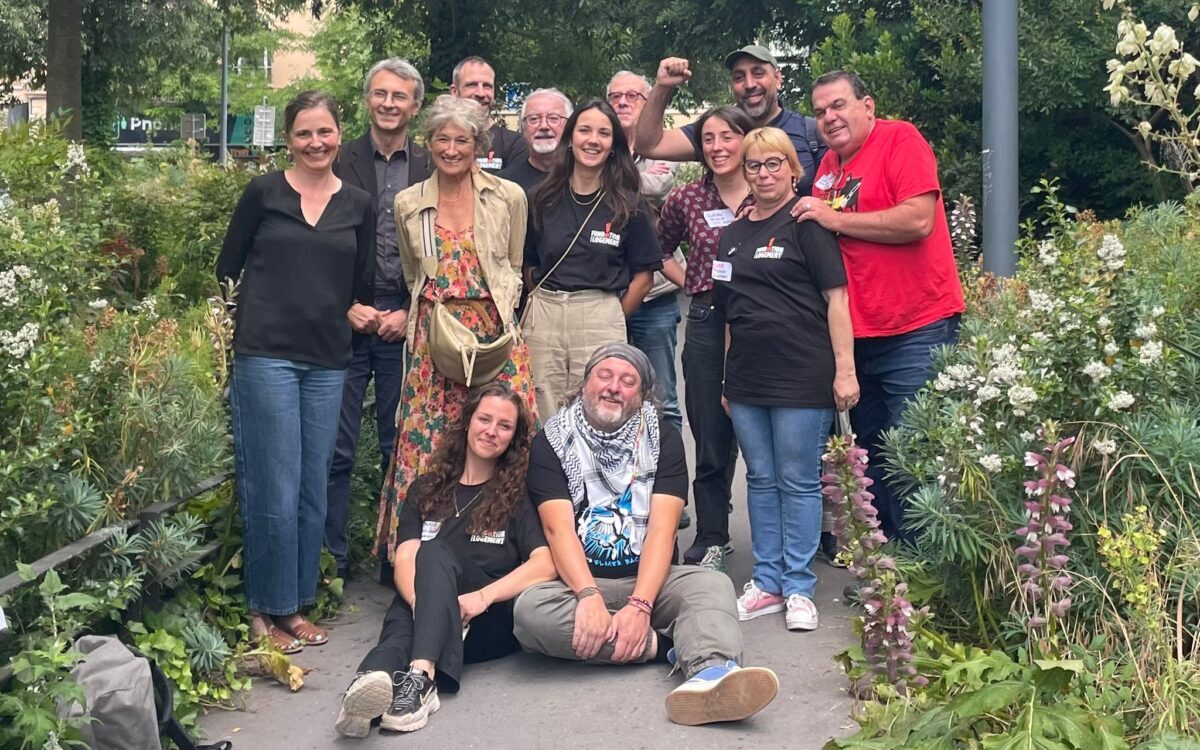
The Auvergne-Rhône-Alpes region is currently navigating a severe housing crisis, characterized by a structural shortage of affordable units and rising social instability. Recent discussions between the Fondation Abbé Pierre and a group of regional elected officials, including the Mayor of Villeurbanne, Cédric Van Styvendael, highlight a growing disconnect between local housing needs and current public policy. As of late 2023, the Fondation Abbé Pierre reported that over 300,000 people in France remain homeless, while millions more live in precarious or inadequate housing conditions, a reality that is acutely felt within the Lyon metropolitan area and its surrounding departments.
This crisis is not merely a matter of supply and demand; it is a complex intersection of urban planning, stagnant social housing construction, and the soaring costs of private rentals. For many residents in Auvergne-Rhône-Alpes, access to secure housing has become an increasingly elusive goal, prompting local leaders to seek more aggressive state intervention and revised regional development strategies. The tension between local municipal action and national budgetary constraints remains a primary barrier to resolving the emergency.
The Structural Drivers of the Regional Housing Deficit
The housing shortage in Auvergne-Rhône-Alpes is fueled by several converging factors. According to data from the National Institute of Statistics and Economic Studies (INSEE), the region has experienced significant population growth, particularly in the urban hubs of Lyon and Grenoble, which has consistently outpaced the rate of new residential construction. The lack of social housing availability has forced lower-income households toward the periphery of urban centers, increasing transportation costs and social isolation.

Furthermore, the Fondation Abbé Pierre’s 2024 annual report identifies that the “mal-logement” (poor housing) crisis is exacerbated by a decline in the production of social housing units across France. In Auvergne-Rhône-Alpes, this trend is reflected in long waiting lists for public housing, which often span several years. Local officials point to the rising costs of land and materials, combined with stricter environmental regulations, as factors that have slowed the pace of development for developers and social landlords alike.
Political Responses and Municipal Advocacy
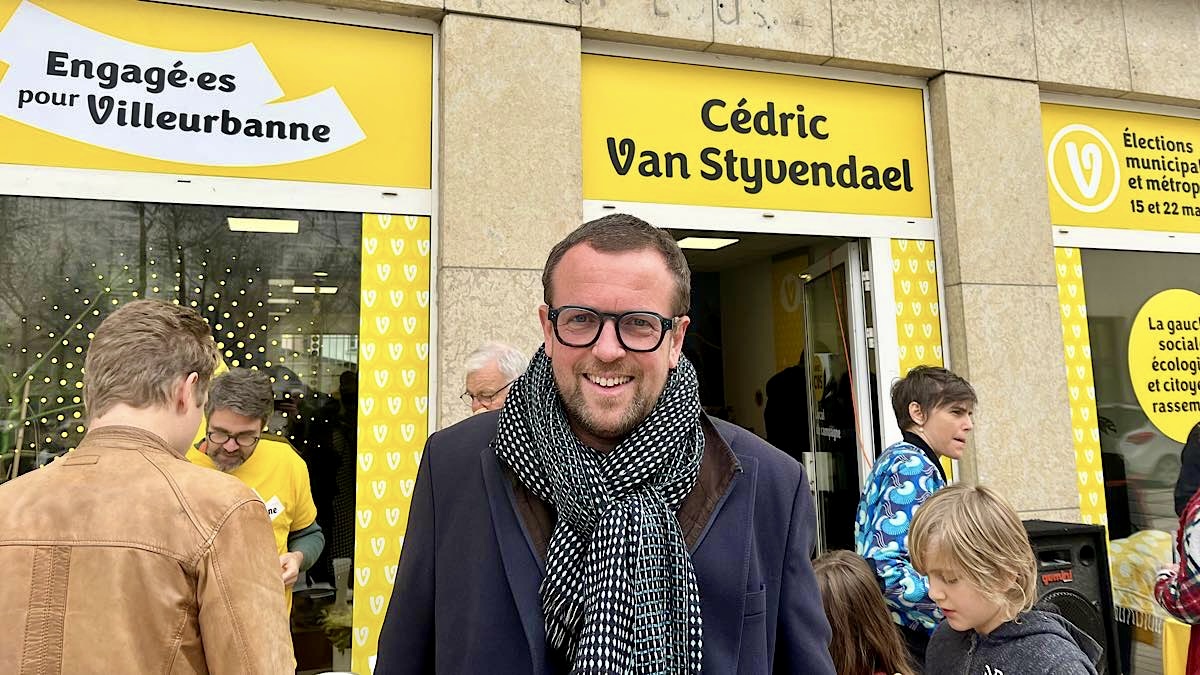
Elected officials in the region have increasingly turned to collective advocacy to address these systemic issues. Cédric Van Styvendael, Mayor of Villeurbanne, has been a prominent voice in calling for a change in how the state manages housing budgets. During recent consultations with housing advocacy groups, local representatives argued that the current Solidarity and Renewal Act (SRU)—which mandates that municipalities maintain a specific percentage of social housing—is often under-resourced at the central government level, making compliance difficult for smaller or budget-constrained communes.

The dialogue between municipal leaders and housing foundations aims to bridge the gap between local field experience and national legislative drafting. These meetings serve as a platform for mayors to express the urgency of the situation, particularly regarding the need for emergency shelters and the renovation of older, energy-inefficient buildings. The collaboration emphasizes that without a significant infusion of capital and a relaxation of certain bureaucratic hurdles, the regional housing market will likely remain inaccessible for a large segment of the working population.
Who Is Most Affected by the Current Crisis?
The impact of the housing shortage is not distributed equally. Young adults, single-parent families, and low-wage workers bear the brunt of the instability. The Ministry of Ecological Transition notes that energy poverty is a frequent consequence of the poor housing conditions found in older urban sectors, where residents struggle to heat their homes due to poor insulation and rising energy prices. This “triple penalty”—high rent, high energy costs, and distance from employment centers—creates a cycle of poverty that is difficult to break without targeted social assistance.
In addition to these demographics, the region has seen an increase in the number of people seeking temporary accommodation in hostels or emergency shelters. For many, this is a transitional state that has become permanent. Local authorities are now evaluating the effectiveness of current social support programs, with many calling for a decentralization of housing policy that would allow regional councils to tailor solutions to the specific demographic needs of their districts.
What Happens Next?
The path forward remains tied to the upcoming national legislative calendar. Following the recent discussions, regional representatives are expected to present their findings to the Ministry of Housing. Observers anticipate that the next major update regarding housing policy will occur during the review of the next Finance Bill, where allocations for social infrastructure will be debated. For now, municipalities are focusing on local initiatives, such as the repurposing of vacant office spaces for residential use and the expansion of emergency aid for families at risk of eviction.
Readers interested in following these developments can monitor the official portals of their local town halls or the regional administrative sites for updates on local housing plans and public consultation meetings. As the situation evolves, the effectiveness of these municipal-led collaborations will likely serve as a benchmark for other regions facing similar demographic pressures. Comments and insights regarding local housing challenges are encouraged as the debate continues to unfold at both the local and national levels.
Keep reading