Japanese Prime Minister Sanae Takaichi addressed the 15th Regular General Meeting of the Japan Business Federation (Keidanren) via a video message on June 11, 2026, marking the organization’s 80th anniversary. The address highlighted the government’s ongoing collaboration with the private sector to address domestic economic challenges and structural reforms, according to official transcripts from the Prime Minister’s office.
The Keidanren, established in 1946, serves as the primary representative body for Japan’s largest corporations and has historically played a central role in shaping national industrial policy. Prime Minister Takaichi’s participation in the 80th-anniversary milestone underscores the administration’s reliance on the organization’s support for implementing its current economic growth strategy. Detailed information regarding the federation’s policy proposals for the coming fiscal year can be found on the official Keidanren website.
The Government’s Economic Strategy and Private Sector Engagement
In her remarks, Prime Minister Takaichi emphasized the necessity of a “virtuous cycle” between wage increases and capital investment to stimulate the Japanese economy. The government has prioritized these metrics as key indicators for ending long-term deflationary pressures, as outlined in the Cabinet Office’s latest economic policy guidelines. By engaging directly with Keidanren leadership, the administration seeks to align corporate hiring practices with national objectives regarding labor productivity and digital transformation.
The Prime Minister’s focus on the 80th-anniversary event reflects the historical continuity of the Keidanren’s influence on the Japanese Diet. Since its inception in the post-war era, the federation has functioned as a conduit for business-led policy initiatives, ranging from energy transition strategies to corporate governance reforms. According to the Ministry of Economy, Trade and Industry (METI), this partnership is critical for maintaining competitiveness in global markets, particularly as Japan navigates the challenges of a shrinking workforce and aging population.
Addressing Structural Challenges in the Japanese Market
The dialogue between the Prime Minister and Keidanren members centers on three primary pillars: decarbonization, the promotion of artificial intelligence, and the expansion of international supply chain resilience. Prime Minister Takaichi noted that the government expects the private sector to lead in technological innovation, while the state provides the regulatory framework necessary for long-term investment. This approach is consistent with the Ministry of Foreign Affairs’ recent diplomatic efforts to secure trade agreements that favor Japanese technological exports.
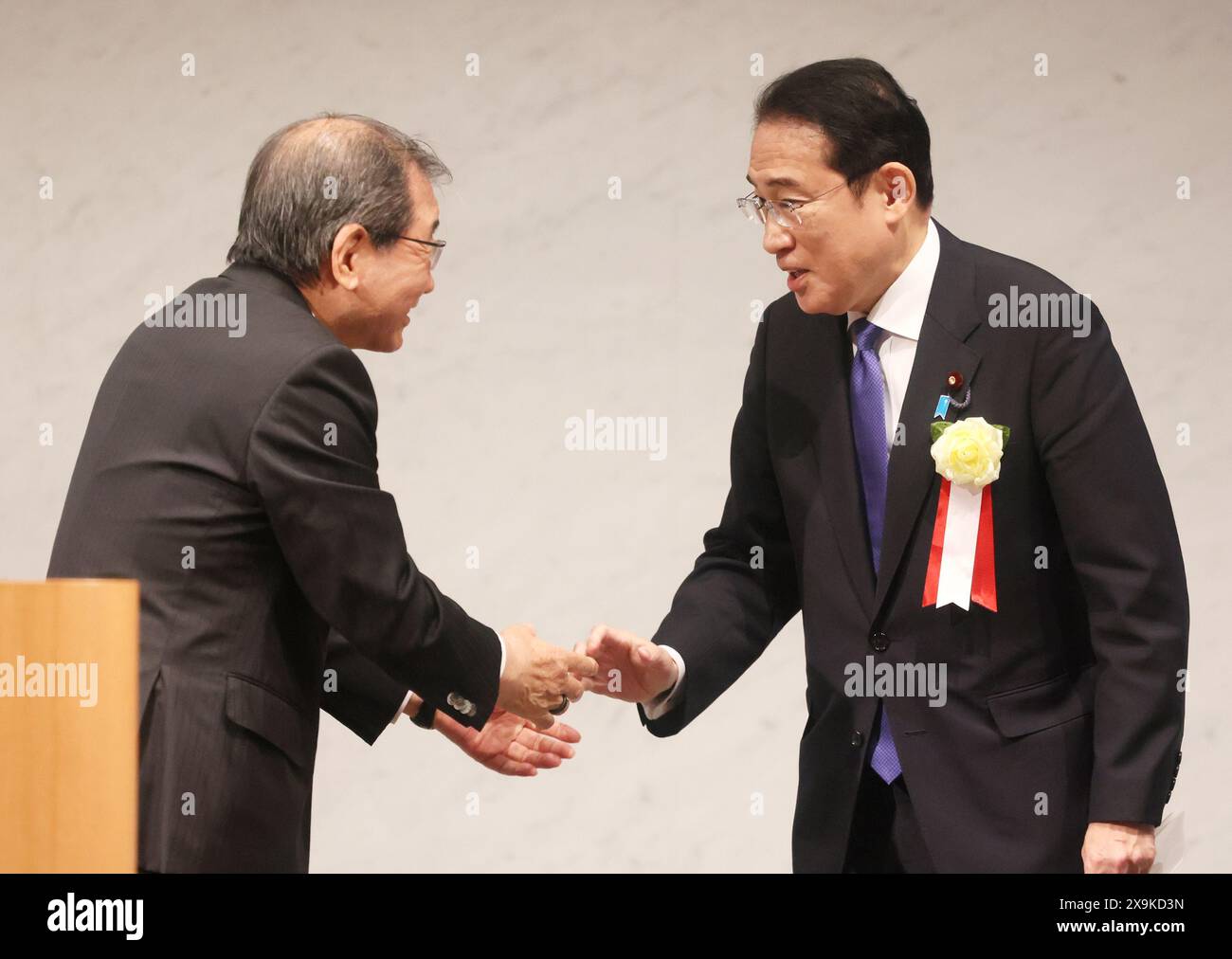
For many stakeholders, the significance of this message lies in the signaling of policy stability. By choosing the 80th-anniversary general meeting to deliver her address, the Prime Minister effectively communicated that the government’s economic agenda remains tethered to the goals of the country’s largest employers. The Keidanren has frequently cited the need for stable energy pricing and tax incentives for R&D as prerequisites for achieving these collective goals.
Future Policy Implications and Stakeholder Impact
The impact of this collaboration is expected to manifest in the upcoming autumn legislative session, where the government plans to introduce bills related to industrial revitalization. Observers note that the alignment between Takaichi’s administration and the Keidanren board will likely influence the direction of future tax reforms and labor regulations. More information regarding the specific legislative schedule can be monitored through the House of Representatives official records.

As Japan moves forward with its 2026 fiscal agenda, the effectiveness of these government-business ties will be tested by global economic volatility and the rising costs of raw materials. The Prime Minister’s office has stated that it will continue to hold regular consultations with industry leaders to assess the progress of the current growth initiatives. Readers interested in the specifics of these meetings can find updates on the Prime Minister of Japan and His Cabinet portal.
The next major checkpoint for these policy discussions will be the mid-year economic review, scheduled for release in late summer. We invite our readers to share their perspectives on the government’s current economic trajectory and the role of the Keidanren in the comments section below.
Keep reading