
Researchers and academic institutions are facing a sharp increase in the costs required to publish findings in high-impact scientific journals as new federal mandates for public access take effect. For many investigators, the transition toward open-access publishing models—often characterized by significant Article Processing Charges (APCs)—has transformed the financial landscape of clinical research, moving the burden of costs from readers to the research teams themselves.
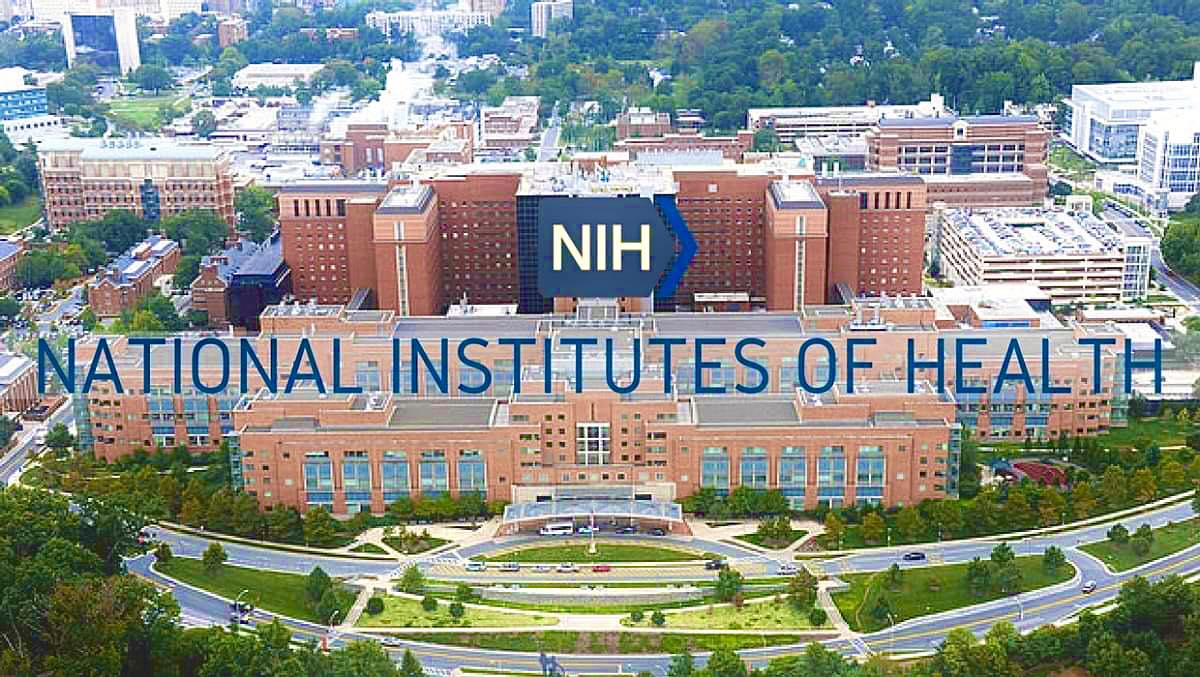
The 2024 National Institutes of Health (NIH) Public Access Policy, which became effective on July 1, 2025, requires that all research funded by the NIH be made immediately available to the public without an embargo period. This shift is designed to democratize access to taxpayer-funded scientific discoveries, yet it has simultaneously solidified a model where researchers must pay substantial fees to publishers to satisfy these requirements while maintaining their ability to publish in prestigious, subscription-based journals.
The Rising Financial Burden of Open Access
The financial impact of this policy shift is becoming increasingly visible in institutional budgets. While many clinical trials and longitudinal studies are supported by federal grants, these awards do not always account for the substantial, non-negotiable fees now required by major publishing houses to ensure compliance with federal open-access mandates. According to the National Institutes of Health, the agency’s policy aims to eliminate the “paywall” that historically kept scientific data behind subscription barriers, ensuring that the public has immediate access to the results of federally funded work.
However, the transition has placed researchers in a difficult position. When a manuscript is submitted to a high-impact journal, the editorial process—including peer review, copy editing, and layout—remains as rigorous as ever. For researchers, the requirement to pay thousands of dollars in APCs can divert funds originally earmarked for laboratory equipment, personnel salaries, or patient recruitment. As reported by the Nature Portfolio, publishing fees for open-access articles are standard in the current industry, reflecting the costs associated with maintaining digital infrastructure and editorial expertise.
Understanding the 2024 NIH Public Access Policy
The 2024 mandate represents a significant evolution from the previous NIH policy, which allowed for a 12-month delay before research findings were made publicly available. The current policy, documented in the Office of Science and Technology Policy (OSTP) guidance, mandates that publications be made freely accessible upon the date of official publication. This directive is a cornerstone of the federal government’s broader effort to enhance research transparency.
For research teams, the policy creates a binary choice: publish in an open-access journal and pay the associated fee, or seek alternative, often slower, methods of compliance that may not align with the career incentives tied to publishing in top-tier journals. Because many prestigious journals are now “hybrid”—offering both subscription and open-access options—the fee is often the only way to meet the NIH deadline while keeping the paper in a high-impact publication.
Institutional and Global Implications
The cost of publishing is not merely an individual researcher’s concern; it is a systemic issue for academic medical centers. When institutions like Johns Hopkins or other major research hubs facilitate large-scale clinical trials, the overhead costs are scrutinized under the lens of federal funding. If a study is funded by a combination of philanthropy and NIH grants, as is common in major clinical research, the sudden influx of mandatory publishing fees can create an unanticipated deficit in the research budget.
According to the Association of American Universities, the challenge lies in balancing the laudable goal of open science with the reality that publishing services are not free to produce. While the public benefits from instant access to medical breakthroughs, the “pay-to-publish” model risks favoring well-funded laboratories over smaller research groups that may struggle to secure the necessary funds to cover these high, non-negotiable costs.
Looking Ahead: The Future of Scientific Dissemination
As the scientific community continues to adjust to the 2024 NIH policy, discussions regarding the sustainability of this model are expected to intensify. The next major checkpoint for the policy will involve an assessment by the NIH and the OSTP on how these mandates impact the research enterprise, particularly regarding the equitable distribution of publication opportunities. These findings are expected to inform future iterations of federal grant guidelines, potentially leading to increased budget allocations for “dissemination costs” within future NIH funding opportunities.
Researchers are encouraged to monitor the NIH Public Access and Data Sharing portal for updates regarding compliance tools and potential funding adjustments. As the field moves toward a fully open-access future, the focus remains on ensuring that the cost of transparency does not inadvertently stifle the pace of medical discovery. We invite our readers to share their experiences with these publishing requirements in the comments below.
Keep reading