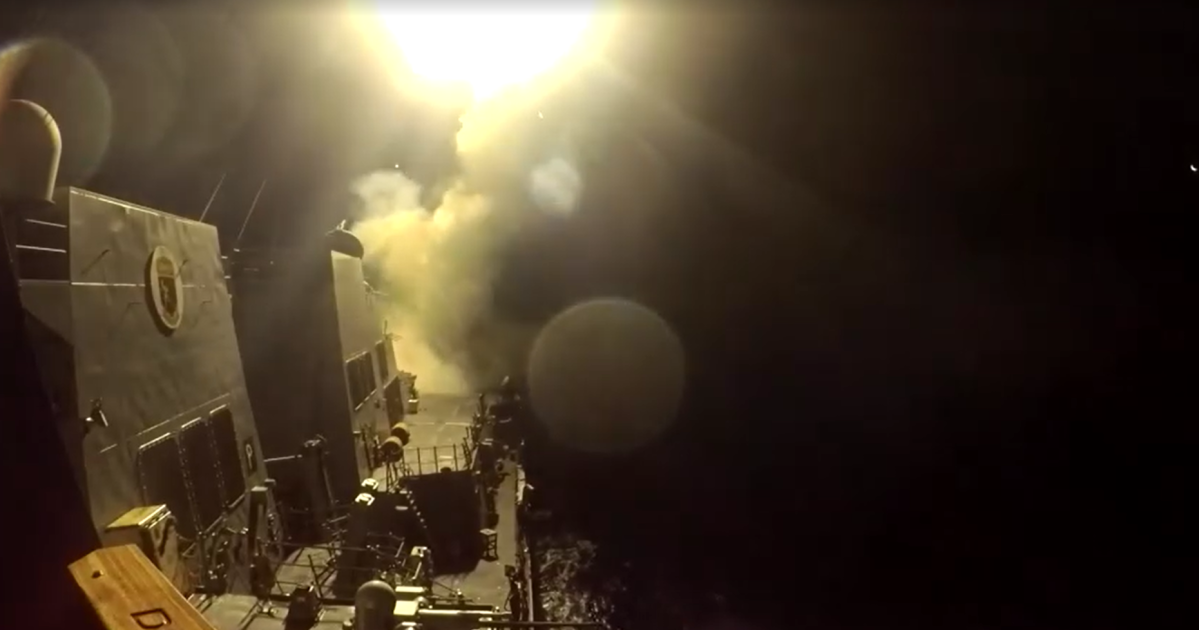
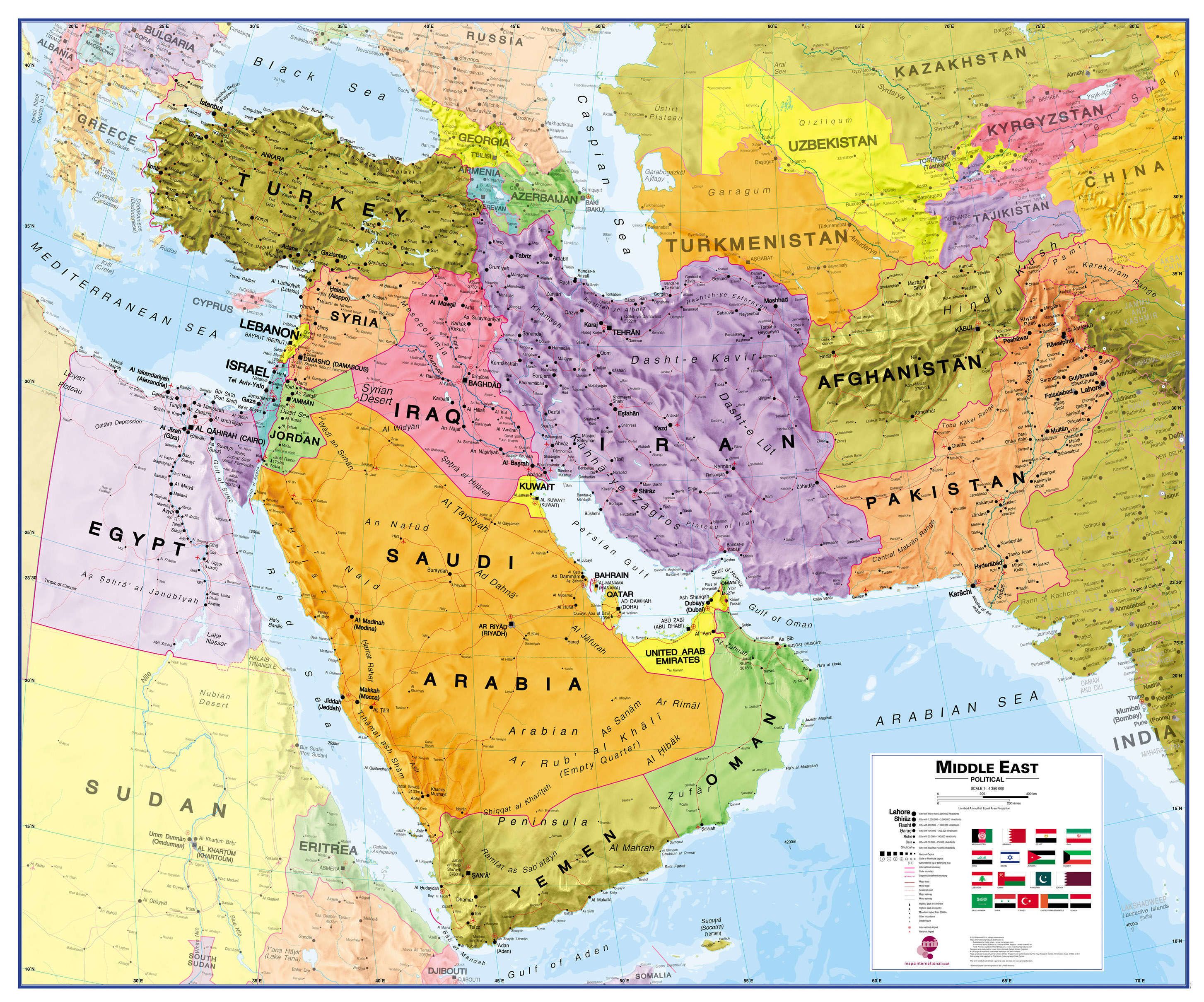
Recent reports concerning military escalations in the Middle East have highlighted a surge in regional tensions, with various outlets alleging attacks on United States military installations in Jordan, Kuwait, and Bahrain. However, official verification from the U.S. Department of Defense and regional government authorities remains limited, and there is no confirmed evidence of a coordinated, multi-nation assault on these specific U.S. bases as of this week.
As the Editor of the World section at World Today Journal, I have tracked these claims against official records. While the geopolitical climate between Washington and Tehran remains volatile, current data from the U.S. Department of Defense shows no official confirmation of successful strikes against major U.S. command centers in Bahrain or active combat operations against personnel in Kuwait or Jordan in the last 48 hours. The situation underscores the sensitivity of regional security reporting, where unverified claims can quickly influence global markets and diplomatic relations.
Understanding the Current Security Landscape
The core of these reports appears to stem from heightened anxiety regarding the security of the U.S. Fifth Fleet, which is headquartered in Manama, Bahrain. While the U.S. Navy maintains a robust presence in the Persian Gulf to ensure freedom of navigation, the assertion that the facility has been directly targeted by Iranian forces lacks corroboration from the U.S. Naval Forces Central Command. In complex geopolitical environments, reports of “attacks” often conflate minor security incidents, cyber-activity, or routine military posturing with direct kinetic engagements.
For readers monitoring this situation, it is essential to distinguish between official government press releases and speculative reporting. The U.S. Department of State continues to issue travel advisories for the region, but these are standard practice and not necessarily tied to immediate, specific threats against sovereign military bases. When evaluating news from this region, the primary markers of authenticity are statements issued directly by the U.S. Central Command (CENTCOM) or official spokespersons from the host nations involved.
Why Regional Stability Remains Fragile
The tension between the United States and Iran has historical precedents that often lead to heightened media scrutiny during periods of diplomatic impasse. Following the 2015 Joint Comprehensive Plan of Action (JCPOA) and its subsequent dissolution, the frequency of maritime incidents in the Strait of Hormuz has fluctuated, according to analysis by the Center for Strategic and International Studies. These maritime corridors are vital for global energy transit, making any news regarding their closure or obstruction a matter of international concern.

It is important to note that the “fragile cease-fire” mentioned in some reports is often an oversimplification of complex, multi-party de-escalation efforts. Diplomatic channels between Washington and Tehran typically operate through third-party intermediaries, such as Oman or Switzerland, meaning that public rhetoric rarely captures the full scope of ongoing, private negotiations. Relying on verified updates from official diplomatic missions is the most reliable way to assess whether a genuine shift in military posture has occurred.
How to Verify Regional Developments
To ensure you are receiving accurate information, I recommend following the official channels of the institutions directly involved in regional security. Official updates regarding military movements and security incidents are published through these verified portals:
- U.S. Central Command (CENTCOM): The definitive source for operational updates regarding U.S. military activities in the Middle East.
- The U.S. Embassy in Manama, Kuwait City, and Amman: These missions provide real-time security alerts for U.S. citizens residing in these countries.
- International Maritime Security Construct (IMSC): For updates regarding the safety of shipping lanes in the Persian Gulf and the Strait of Hormuz.
By prioritizing these sources, readers can filter out the noise of unverified claims that often circulate during periods of high geopolitical tension. The current situation remains fluid, and it is standard for military commands to maintain elevated readiness levels without that state of alert constituting an active attack or an imminent conflict.
Looking Ahead
The next major checkpoint for assessing regional stability will be the upcoming briefings by the U.S. Department of Defense regarding force posture in the CENTCOM area of responsibility. As these updates become available, they will provide the necessary context to separate confirmed security incidents from speculative reporting. I will continue to monitor these developments closely, ensuring that our coverage at World Today Journal remains grounded in verified facts and official documentation.
I encourage our readers to participate in the conversation by sharing their perspectives on how international news outlets should approach these high-stakes, rapidly evolving reports. What factors do you prioritize when evaluating the credibility of international conflict reporting? Please share your thoughts in the comments below.
Related reading