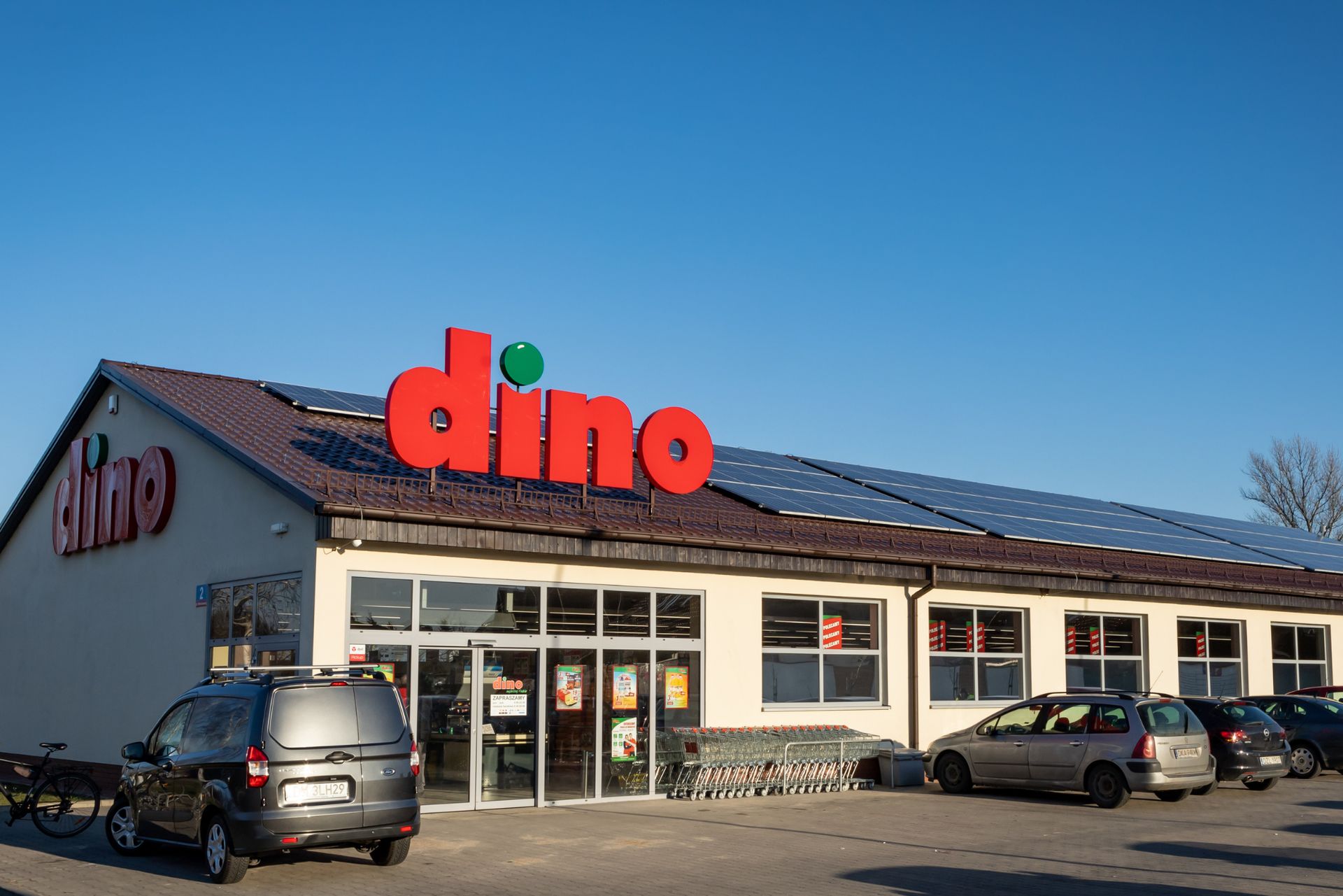
Labor relations at Dino Polska, one of Poland’s largest retail chains, have reached a critical juncture as employee representatives move toward a potential general strike. The decision regarding the timing of industrial action follows protracted negotiations between trade union representatives and company management concerning wage increases, working conditions, and staffing levels. According to reports from the Ministry of Family, Labour and Social Policy, which oversees mediation processes in labor disputes, the formalization of strike protocols requires strict adherence to the Act on the Resolution of Collective Disputes.
The core of the dispute centers on demands for compensation adjustments that employees argue have not kept pace with inflation and the rising cost of living in Poland. While Dino Polska has expanded its footprint significantly across the country, reaching over 2,500 stores as of late 2024, staff representatives allege that the operational burden on individual store employees has increased disproportionately. The company’s investor relations filings indicate a focus on aggressive store openings, but union organizers contend that this growth strategy relies on maintaining lean staffing models that leave workers under-supported.
Status of Negotiations and Mediation Efforts
The transition toward a general strike is governed by the Polish Act of 23 May 1991 on the Resolution of Collective Disputes. Under this legal framework, parties are required to exhaust mediation procedures before industrial action can be legally initiated. Recent developments involve the appointment of a new mediator to facilitate discussions between the union and the retail chain’s leadership. This step is a mandatory prerequisite to ensure that all avenues for a peaceful settlement are explored before a strike date can be officially declared.
Industry observers note that while Dino Polska has historically maintained a decentralized operational structure, the current labor tensions represent a departure from previous years of relative industrial peace. The involvement of external mediators suggests that the gap between the employees’ demands and the management’s current offer remains wide. If mediation fails to yield a compromise, the union may proceed to a strike vote, provided they meet the statutory requirements for member participation and approval.
Operational Impact and Workforce Concerns
For the average consumer shopping at Dino, the potential for a strike raises questions about service continuity. Retail operations are highly sensitive to labor disruptions, particularly in the grocery sector where supply chain logistics and store-level staffing are tightly integrated. Should a general strike materialize, the impact would likely be felt in store availability and the speed of checkout services. According to data from the Statistics Poland (GUS), the retail trade sector remains one of the largest employers in the national economy, making labor disputes in this space a matter of significant public interest.
.jpg/240px-Dino_Parque_(29).jpg "Operational Impact and Workforce Concerns")
The union’s grievances extend beyond simple salary figures. Workers have cited concerns regarding the intensity of their daily tasks, which include stock replenishment, facility maintenance, and customer service. These operational pressures are common across the discount retail sector, but the specific focus on Dino Polska highlights the challenges of scaling a retail business while maintaining workforce satisfaction. Management has maintained that they remain committed to competitive employment practices, though the current standoff underscores the difficulty of reconciling these goals during periods of economic volatility.
Legal Requirements for Industrial Action
A legal strike in Poland is not a simple administrative decision; it requires a formal mandate from the workforce. The National Labour Inspectorate (PIP) provides guidelines for ensuring that such actions comply with existing labor laws. To call for a strike, a majority of the workforce must typically approve the measure through a secret ballot. This threshold is designed to ensure that any work stoppage represents a genuine consensus among employees rather than the isolated agenda of union leadership.
Furthermore, the law mandates that employers be given sufficient notice before any industrial action begins. This notice period is intended to allow for final attempts at negotiation and to give the company time to mitigate the potential impact on public service and consumer access to goods. As of the latest reports, the specific date for a potential strike has not been finalized, as the mediation process remains ongoing. Union leaders have stated that their primary goal is to reach an agreement that addresses their core demands without the need for a total work stoppage, which remains a measure of last resort.
What Happens Next
The immediate path forward depends on the outcome of the current mediation sessions. If the parties reach a memorandum of understanding, the threat of a strike will likely recede, and the focus will shift toward the implementation of the agreed-upon terms. Conversely, if mediation reaches an impasse, the union will be entitled to move toward a formal strike declaration, setting a specific date for the action.
Interested parties and stakeholders should monitor official announcements from the union and corporate filings from Dino Polska for updates. The official company website remains the primary venue for public statements regarding operational changes. As this situation evolves, the impact on both the company’s stock performance and the daily experience of store employees will remain a key focus for market analysts and labor experts alike. We welcome your thoughts on this developing story in the comments section below.
Keep reading