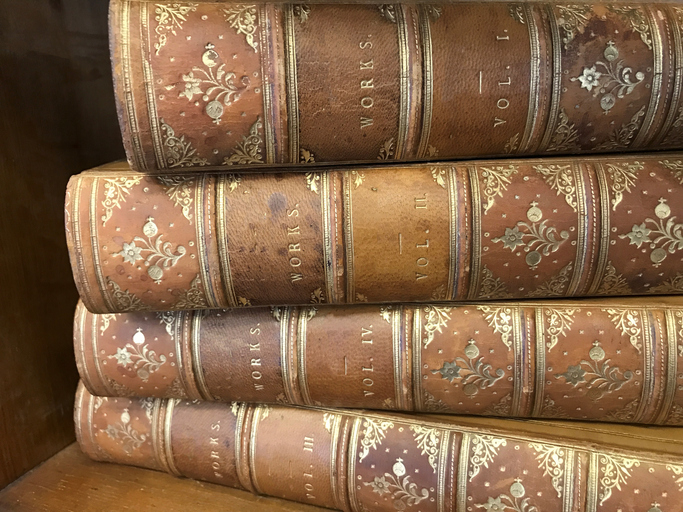
A 19th-century book, missing for approximately 150 years, has been recovered from a sealed fireplace in the seaside town of Kiama, Australia. The volume, a copy of “The Antiquities of Athens,” was discovered by resident Ross Simmons during home renovations, tucked away inside a bricked-in tea crate. The discovery provides a rare glimpse into the early history of the Kiama Library, which first opened its doors to the public in 1872.
A Century-Old Mystery Unearthed in Kiama
The book, which carries the library accession number 506, is believed to be one of the original 1,000 volumes in the library’s initial collection. Ross Simmons, who owns the property where the book was found, suspects the item may have been borrowed by his great-great-grandfather, John Simmons, who was the home’s owner when the library began operations. While the exact timeline of the book’s disappearance remains unclear, the lack of surviving 19th-century borrowing records leaves the circumstances of its long-term concealment behind the masonry a subject of local speculation.
The physical condition of the volume is noted as water-damaged, though it has remained largely intact despite being hidden within the structure of the house for over a century. Library officials have confirmed that the book has been officially added to the Kiama Library’s local history collection. However, due to its age and fragile state, it will not be returned to public circulation. Michelle Hudson, the library manager, remarked that staff have no intention of allowing the book to leave the library’s care again, joking that they would prefer not to wait another 150 years for its return.
Historical Lending Rules and Theoretical Fines
The discovery of the book also brought to light the strict administrative environment of the Kiama Library during the 1870s. Tucked away with the book were the original lending regulations, which mandated that a household must have at least three literate residents before they were permitted to borrow materials. Furthermore, the library rules explicitly prohibited patrons from collecting books while under the influence of alcohol.
Had the library’s original late-fee structure been enforced, the financial implications for the Simmons family would have been substantial. Based on the overdue rates printed inside the volume, the theoretical fine would have accrued to approximately 28,000 Australian dollars, equivalent to roughly 19,500 U.S. dollars. In the modern era, the Kiama Library no longer levies late fees, and officials have stated they have no intention of seeking payment from the descendants of the original borrower.
Preserving Local History
The recovery of volume 506 serves as a notable artifact for the region, bridging the gap between the town’s early colonial infrastructure and its present-day community services. The library’s decision to transition the book from a circulating item to a historical record ensures that it will be preserved for future generations rather than risking further degradation.
As the library continues to document its local history, the story of the tea crate discovery remains an outlier in the institution’s records. While the identity of the person who originally bricked the book into the fireplace may never be confirmed, the incident has provided a unique perspective on the evolution of library policy and the enduring nature of local archives. The library has not announced any further events or exhibitions regarding the book, though it remains a part of their permanent local history holdings.