
When the first trailer for the inaugural Sonic the Hedgehog film debuted, the character’s design faced intense public scrutiny, leading to a high-profile decision by Paramount Pictures to delay the film’s release for a redesign. Despite initial industry projections that the project might struggle, the film ultimately achieved widespread commercial success.
Franchise Expansion and Talent Integration
The franchise has bolstered its appeal by integrating high-profile voice talent into its roster. The upcoming fourth film is set to feature Kristen Bell as the voice of Amy Rose, a casting decision that has been noted by industry observers as a sign of the franchise’s continued effort to attract established talent. These additions have been credited with helping the films maintain critical and audience interest as the cinematic universe grows.

The shift in the franchise’s reputation—from a source of internet derision to a consistent box office performer—serves as a case study in how intellectual property can be rehabilitated. While early criticism focused on character aesthetics, the subsequent films have been analyzed for their ability to balance nostalgia with accessible storytelling. The inclusion of elements from the Sonic Adventure 2 video game, such as the character Shadow and the music track “Live & Learn,” has been highlighted as a strategy to connect with long-term fans of the source material.

Critical Perspectives on Popular Media
The trajectory of the Sonic films also reflects broader discussions within film criticism regarding the divide between critical reception and audience popularity. Historically, critics have often dismissed genres that later gained cult status or commercial longevity, a phenomenon observed in the reception of 1980s slasher films like Friday the 13th. As noted by Roger Ebert in his 1984 review of Friday the 13th: The Final Chapter, critics have occasionally lamented the commercial success of films that did not align with their aesthetic standards.
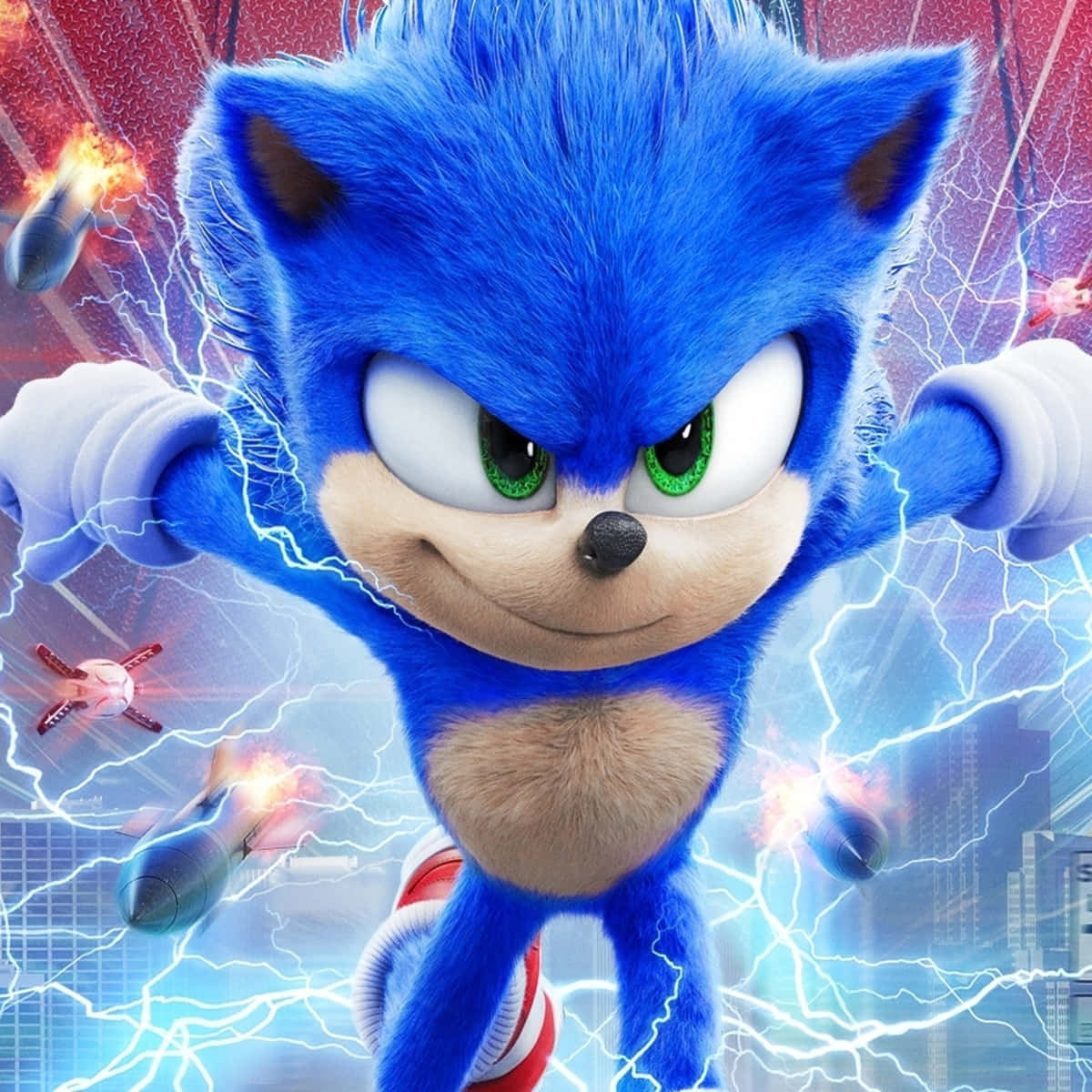
The Sonic series demonstrates a similar tension, where the films’ commercial success has outpaced some initial critical assessments. By prioritizing a lighthearted tone and emotional resonance—such as the depiction of Shadow’s backstory—the films have secured a dedicated audience. This success suggests that the “greatest critic of all is time,” as the longevity of a franchise is often determined by its ability to maintain a connection with viewers across multiple releases rather than its immediate critical consensus.

Looking Ahead to the Future of the Series
As Paramount Pictures moves forward with the fourth installment, the focus remains on sustaining the franchise’s momentum. The studio has not yet announced an official release date for the next chapter, though the project is confirmed to be in active development. For fans and industry analysts alike, the question remains whether the series can continue to improve its critical and financial performance with each subsequent entry.
The Sonic the Hedgehog films have effectively transitioned from a potential cautionary tale to a blueprint for successful video game adaptations. By acknowledging the importance of fan engagement and evolving alongside the audience, the franchise has established a permanent place in modern cinema. Readers interested in future updates regarding the development and release schedule of the fourth film should monitor official announcements from Paramount Pictures. We invite readers to share their thoughts on the evolution of the Sonic franchise in the comments section below.
Worth a look