
Whether Bruce Willis performed his own stunts in the 1988 action classic Die Hard remains a frequent subject of debate among film enthusiasts. While the actor famously brought a grounded, vulnerable humanity to the role of New York City police detective John McClane, the high-octane physicality of the Nakatomi Plaza siege relied heavily on the expertise of seasoned stunt professionals. According to production records and accounts from the film’s stunt team, while Willis participated in many sequences, the most dangerous feats were executed by his stunt doubles.
The film, which debuted in theaters on July 15, 1988, set a new standard for the “everyman” action hero, shifting the genre away from the invincible physiques of the era toward a character who visibly suffered from the physical toll of his environment. As a journalist covering the film industry for over 15 years, I have observed that this transition often leads audiences to assume stars performed all their own physical work. However, the distinction between acting and stunt work in Die Hard is clearly defined by the collaboration between Willis and his primary stunt double, Ken Bates.
The Role of Stunt Doubles in Nakatomi Plaza
The high-stakes action scenes in Die Hard were meticulously choreographed by stunt coordinator Charlie Picerni and executed by a team of professionals. Ken Bates served as the primary stunt double for Bruce Willis throughout the production. Professional stunt performers are trained to mitigate the risks inherent in pyrotechnics, high-altitude falls, and complex combat sequences. According to the Academy of Motion Picture Arts and Sciences, which maintains records on the film’s production, the integration of these performers was essential to maintaining the film’s high-velocity pacing while ensuring set safety.

One of the most iconic moments in the film—the jump from the roof of the exploding Nakatomi Plaza—was not performed by Willis. That specific sequence involved a professional stunt performer leaping from the roof, a move that requires precise timing and specialized equipment to ensure the stuntman clears the building’s facade safely. The reliance on professionals for such maneuvers is a standard industry practice governed by strict safety protocols intended to protect the lead actors who are the face of the multi-million dollar production.
Bruce Willis’s Physical Contribution
While Willis did not perform the high-risk stunts, he was heavily involved in the physical demands of the role. The actor reportedly insisted on performing many of the fight scenes and close-quarters combat sequences himself to maintain the authenticity of McClane’s struggle. This approach allowed director John McTiernan to capture tighter, more intimate shots of the actor, which contributed to the audience’s visceral connection to the character.
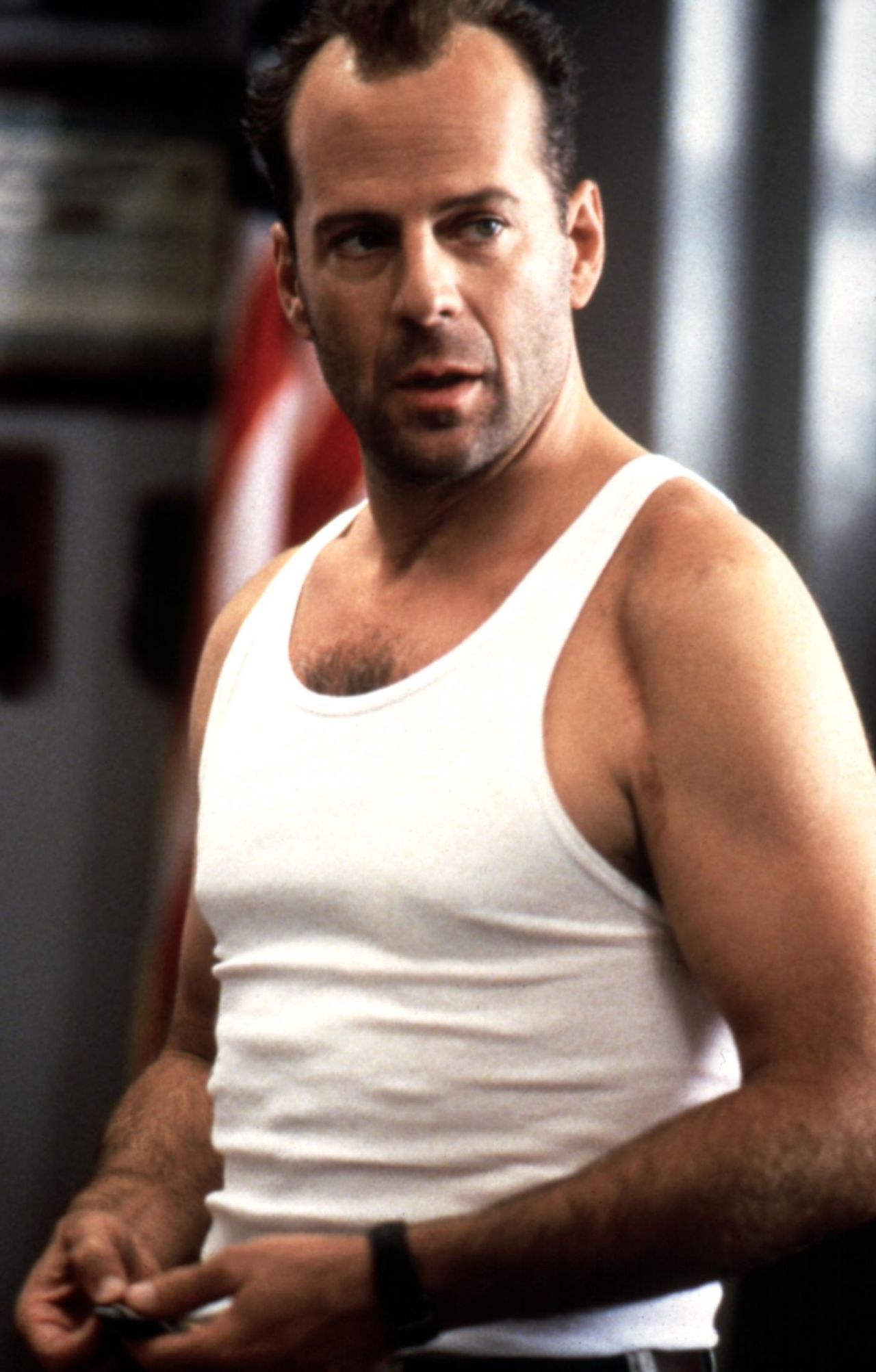
The production utilized a mix of practical effects and stunt artistry to create the film’s gritty aesthetic. According to the American Film Institute, the film’s success relied on this hybrid approach, where the actor’s performance was bolstered by the technical mastery of the stunt department. Willis’s commitment to the role—even when not performing life-threatening leaps—helped define the character’s legacy as a relatable hero who fights through injury and exhaustion.
Industry Standards and Safety
The question of whether an actor performs their own stunts often overlooks the complex logistical requirements of major motion pictures. In Hollywood, stunt performers are members of the Screen Actors Guild-American Federation of Television and Radio Artists (SAG-AFTRA), which provides comprehensive guidelines for stunt safety. These regulations are designed to prevent injury and manage the insurance liabilities associated with high-budget films. As noted by the SAG-AFTRA official site, the profession of a stunt double is a specialized craft, requiring years of training that differs significantly from the craft of acting.
The collaboration between Willis and his team in 1988 was a textbook example of this professional division of labor. By allowing stunt professionals to handle the most dangerous aspects of the production, the film was able to complete its schedule without the significant delays that would have resulted from a lead actor being sidelined by injury. This collaborative model remains the gold standard for action cinema today, ensuring that performers like Willis can deliver career-defining roles while the technical experts handle the physical risks.
Looking Back at a Cinematic Landmark
Die Hard continues to be analyzed for its impact on cinema, with its 35th anniversary in 2023 prompting renewed interest in its production history. The film’s legacy is not diminished by the fact that Bruce Willis used a stunt double; rather, it is enhanced by the recognition of the entire team’s effort. The film remains available on major digital platforms, and its production techniques are still studied in film schools worldwide as an example of effective action choreography.

For those interested in the history of the film, the Academy of Motion Picture Arts and Sciences periodically hosts exhibits and discussions regarding the technical achievements of the 1980s. As we look toward future retrospective screenings and potential anniversary events, the focus remains on how the film balanced star power with the essential, often unsung work of the stunt community. If you have a favorite sequence from the film, feel free to share your thoughts in the comments section below.
Related reading