
President Donald Trump signed legislation on June 10 providing approximately $72 billion in funding for U.S. Immigration and Customs Enforcement (ICE) and the Border Patrol, a move that concludes a 116-day legislative impasse over border security appropriations. The measure, titled the Secure America Act, authorizes funding for these agencies through January 20, 2029, covering the remainder of the president’s current term.
The legislation passed the House of Representatives on June 9 by a vote of 214–212, following an earlier approval in the Senate on June 5. Lawmakers utilized the budget reconciliation process to pass the bill, which bypassed the standard 60-vote filibuster threshold in the Senate. The final vote saw Republican support, with the exception of Senator Lisa Murkowski of Alaska, while all Senate Democrats opposed the measure.
Breakdown of Federal Funding Allocations
The Secure America Act directs $38 billion specifically to ICE enforcement operations. According to the legislative text, this funding includes $7 billion earmarked for Homeland Security Investigations, with the remaining $31 billion allocated for operational activities. These activities encompass the hiring and training of personnel, the procurement of body cameras, and resources for immigration attorneys working within the agency.
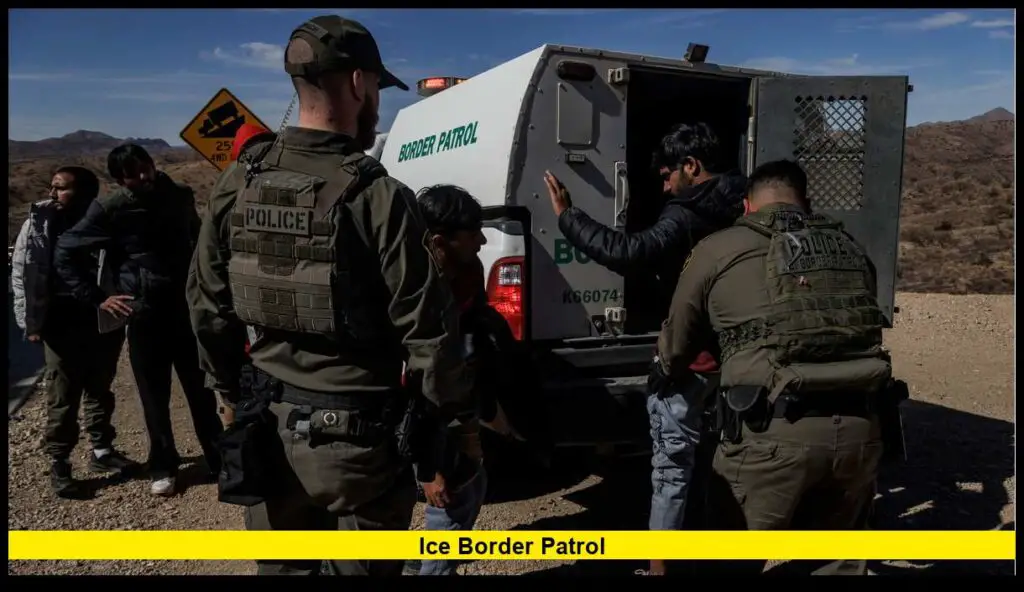
The Border Patrol is set to receive $22 billion under the new law, designated for the recruitment, compensation, and equipment of agents and staff. Of that total, $13 billion is specifically dedicated to immigration enforcement operations. Additionally, the act provides $5 billion for border security technology, including the integration of artificial intelligence systems for screening processes. A further $350 million has been set aside for enforcement efforts in jurisdictions that do not maintain formal cooperation agreements with ICE.
Legislative Context and Political Dispute
The signing of this bill marks the end of a prolonged conflict between the administration and congressional Democrats, who had previously withheld support for department funding following the fatal shooting of two U.S. citizens in Minneapolis involving immigration agents. Negotiations were further complicated by disagreements within the Republican caucus regarding a proposed $1.8 billion compensation fund for individuals claiming harm from federal actions.
This provision was eventually removed from the legislative text after acting Attorney General Todd Blanche announced on June 2 that the administration would terminate the program. Senate Republicans subsequently released updated language on June 3, which also omitted $1 billion previously slated for a White House ballroom project and security upgrades. This funding package functions as an addition to the nearly $140 billion allocated to ICE and Customs and Border Protection in the previous fiscal year under the One Big Beautiful Bill Act.
Department Leadership and Future Enforcement
The funding arrives during a period of transition for the Department of Homeland Security, which saw Markwayne Mullin assume the role of Secretary in March following the departure of Kristi Noem. While Secretary Mullin has publicly committed to maintaining a lower profile for the department, the administration remains under significant pressure from immigration hardliners to implement the president’s campaign objectives regarding mass deportations.
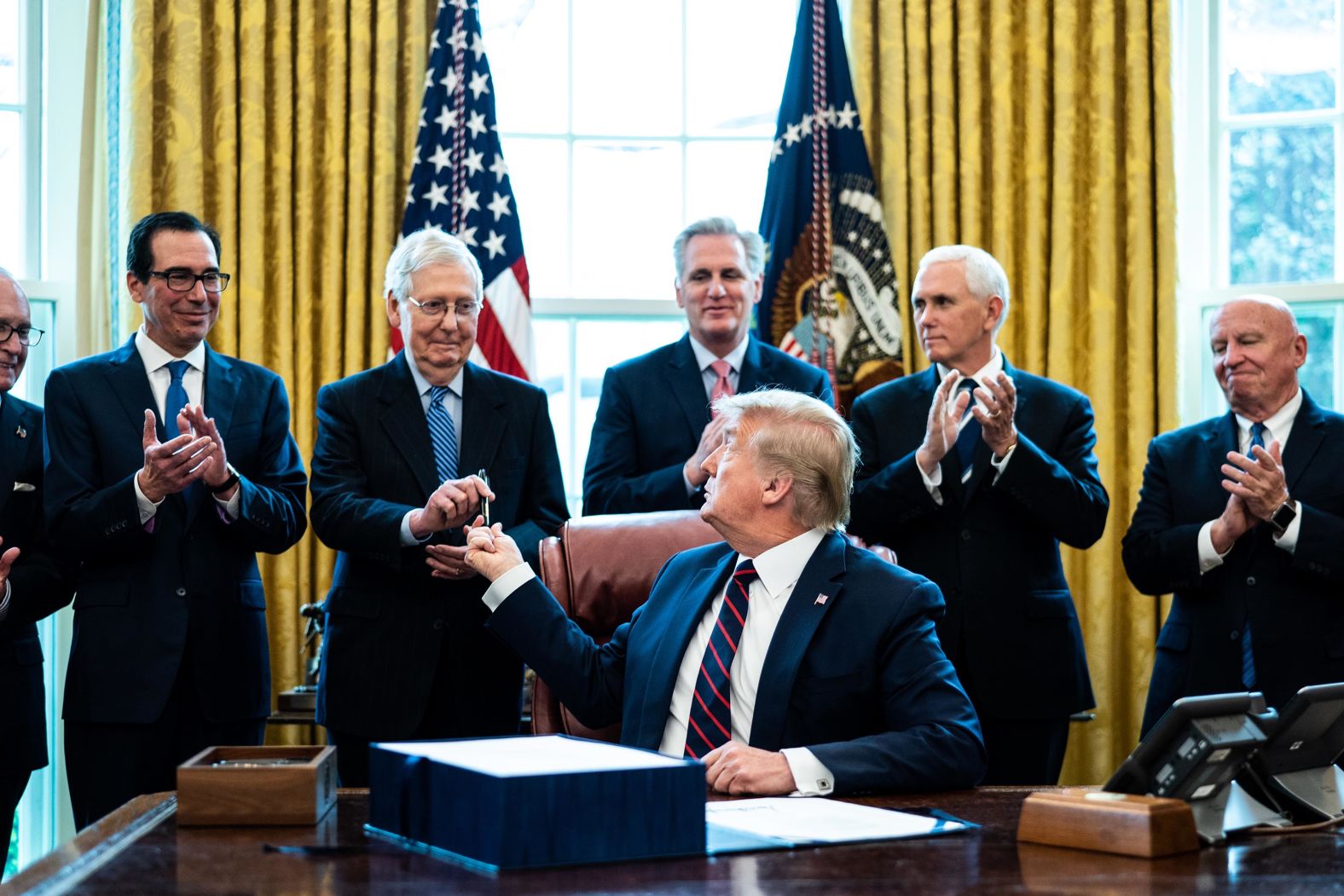
House Speaker Mike Johnson (R-La.) characterized the passage of the bill as a victory against efforts to defund federal immigration agencies. In a statement, he noted that the legislation ensures these agencies will remain funded for the duration of the current presidential term. Conversely, House Minority Leader Hakeem Jeffries (D-N.Y.) criticized the bill, labeling it a “blank check” that lacks necessary oversight and accountability mechanisms for the department’s enforcement operations.
The administration has not yet released a detailed timeline for the deployment of the newly approved technology or the specific hiring quotas for the additional personnel funded by this act. Further updates regarding the implementation of the Secure America Act are expected to be provided through the Department of Homeland Security’s official portal as the new fiscal cycle begins. Readers are encouraged to share their perspectives on these legislative developments in the comments section below.
Keep reading