
European Union efforts to streamline regulatory requirements for businesses remain hampered by the complexity of existing mandates, according to a recent assessment by the Federation of German Industries (BDI). While European Commission President Ursula von der Leyen has publicly committed to a 25% reduction in reporting requirements for companies, industry observers and economic analysts warn that the most intricate legislative frameworks continue to evade significant simplification.
The tension between political pledges for deregulation and the reality of compliance costs remains a central point of friction in Brussels. According to the European Commission’s own strategic roadmap, the “Green Deal” and associated industrial policies require extensive documentation, which the BDI argues creates disproportionate administrative burdens for small and medium-sized enterprises (SMEs).
The Gap Between Regulatory Promises and Administrative Reality
President von der Leyen’s administration has consistently highlighted the need for a more competitive European economy. In late 2023, the Commission announced a goal to reduce reporting obligations by 25% to boost the competitiveness of the EU’s internal market, as noted in official press releases from the Commission. However, the BDI’s internal assessment suggests that these cuts often target lower-level administrative tasks while leaving the “hard core” of complex, high-impact legislation untouched.

The primary challenge, according to financial analysts, lies in the nature of EU directives. Laws such as the Corporate Sustainability Reporting Directive (CSRD) require firms to gather and verify vast amounts of non-financial data. While the Commission argues these measures provide transparency for investors, industry groups contend that the sheer volume of data points creates a “regulatory wall” that prevents smaller firms from scaling effectively.
Key Legislative Hurdles for EU Businesses
The BDI report identifies several specific areas where the promised “bureaucracy relief” has yet to materialize. These include:
- Sustainability Reporting: The transition to the European Sustainability Reporting Standards (ESRS) remains a significant operational cost, with critics pointing to the complexity of double materiality assessments.
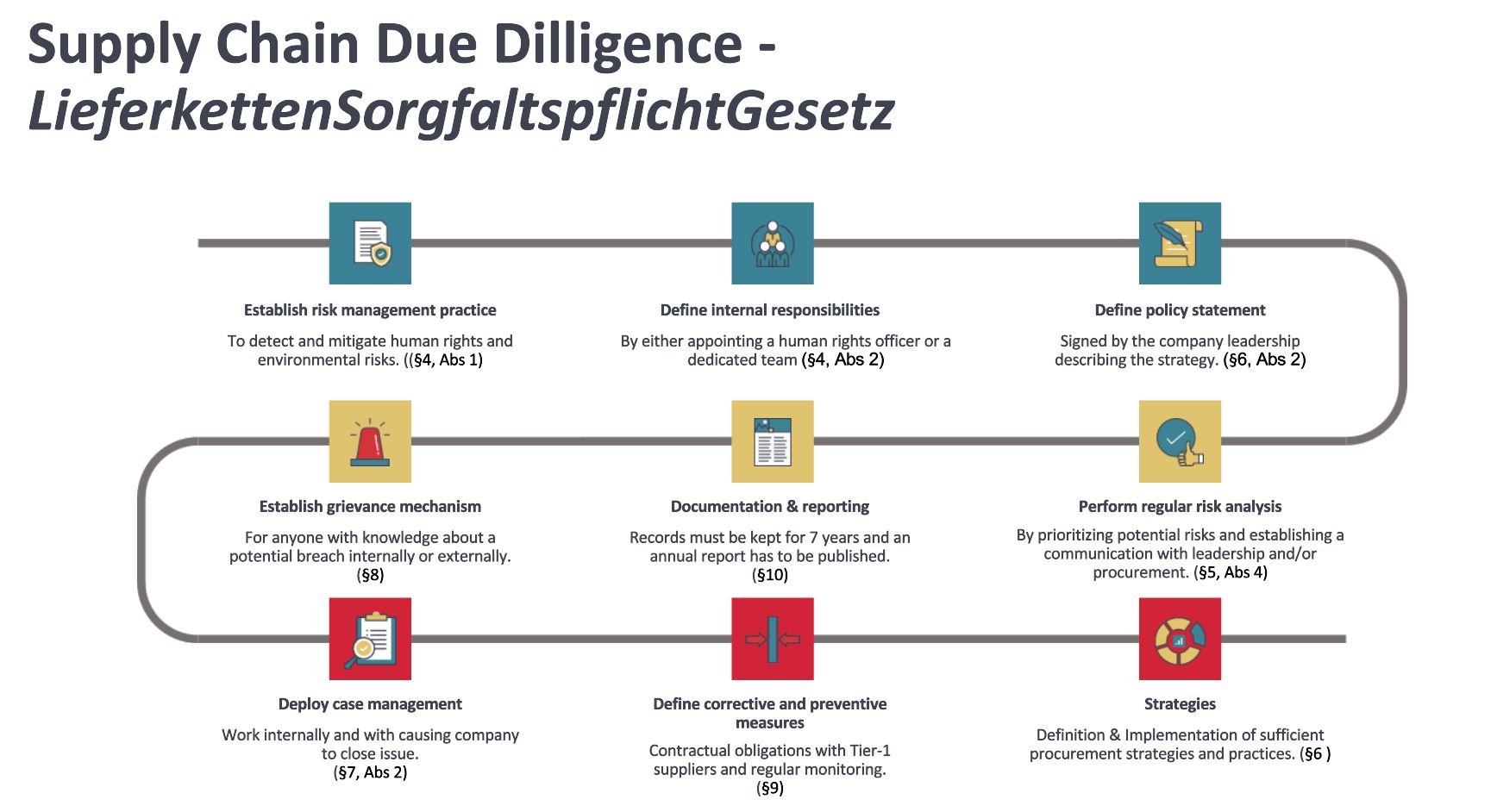
- Supply Chain Due Diligence: The Corporate Sustainability Due Diligence Directive (CSDDD) requires companies to monitor their entire value chain, a process that many industry associations describe as legally ambiguous and administratively expensive.
- Environmental Compliance: Ongoing updates to the Industrial Emissions Directive (IED) continue to impose strict permitting timelines and reporting requirements that exceed the capacity of many regional industrial players.
According to the European Parliamentary Research Service, the cumulative impact of these regulations can lead to “compliance fatigue,” where the cost of meeting legal standards begins to outweigh the economic benefits of operating within the single market.
What Happens Next for EU Economic Policy
The debate over administrative burdens is expected to intensify as the EU enters a new legislative cycle. Following the 2024 European Parliament elections, the focus on “competitiveness” has moved to the forefront of the Commission’s agenda. Mario Draghi’s recent report on the future of European competitiveness, commissioned by the European Commission, explicitly calls for a “horizontal approach” to deregulation, suggesting that every new regulation should be accompanied by a mandatory “competitiveness check.”
For businesses, the next major checkpoint involves the review of the “Better Regulation” agenda, which is scheduled for ongoing assessment by the Commission’s Regulatory Scrutiny Board. Companies seeking to track these developments can find updates via the Commission’s Better Regulation portal, which provides public consultations and impact assessment reports for upcoming legislation.
As the European Commission works to balance environmental and social goals with industrial growth, the effectiveness of these deregulation efforts will likely serve as a litmus test for the bloc’s long-term economic viability. Industry stakeholders are encouraged to monitor upcoming plenary sessions of the European Parliament for potential amendments to existing reporting mandates.
What are your thoughts on the impact of EU reporting requirements on your business operations? Join the conversation in the comments below or share this report with your professional network.
Worth a look