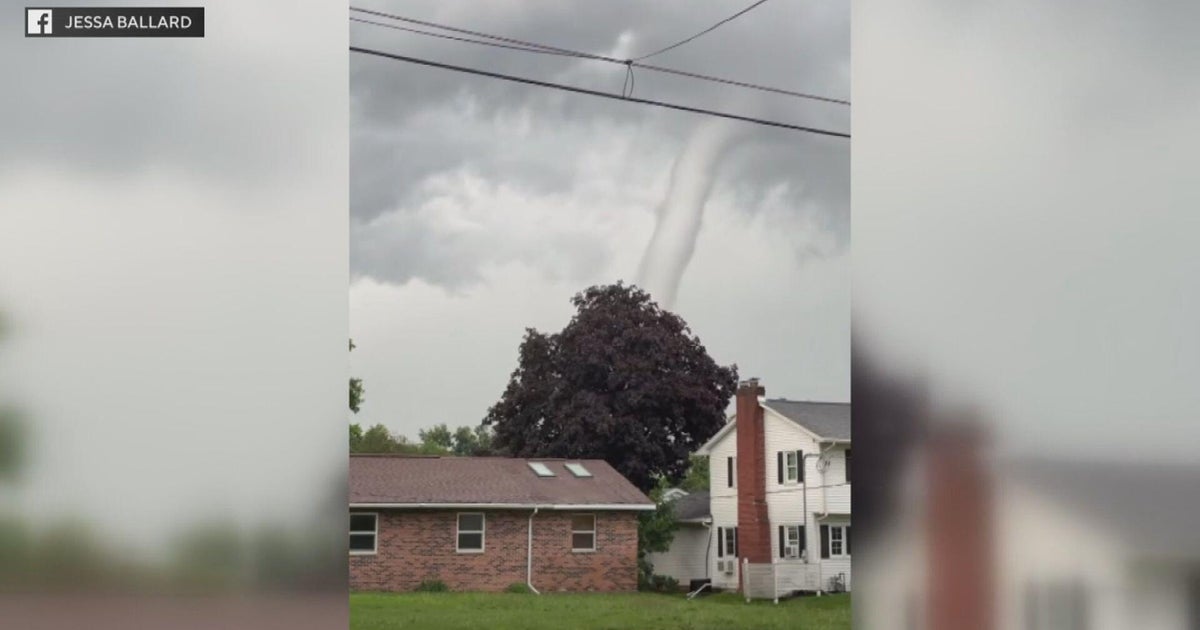
Meteorologists confirmed a tornado touched down in Streator, Illinois, on Tuesday as a powerful line of severe storms swept through the Chicago metropolitan area, resulting in widespread power outages and significant infrastructure disruptions. The National Weather Service (NWS) issued multiple tornado warnings throughout the region, prompting local emergency management agencies to activate sirens and advise residents to seek immediate shelter. According to official bulletins from the National Weather Service Chicago office, the storm system brought high winds, hail, and the potential for rotating supercells across several counties.
The severe weather event caused extensive damage to the regional power grid, leaving thousands of customers in the dark. Utility providers mobilized crews to address the outages, though downed power lines and debris on roadways hampered restoration efforts during the height of the storm. Local authorities have characterized the cleanup as an ongoing, multi-agency operation that remains the primary focus for municipal services in the affected suburbs.
Impact on Infrastructure and Power Restoration
As of late Tuesday, ComEd reported that thousands of customers across Northern Illinois were without electricity. The utility company noted that the severity of the winds—which reached speeds capable of uprooting trees and damaging utility poles—necessitated a methodical approach to repairs to ensure the safety of both the public and line workers. Information regarding the exact number of affected households and the estimated restoration timelines can be tracked via the ComEd interactive outage map, which provides real-time updates on service disruptions.

In addition to power failures, the Chicago Department of Transportation and local law enforcement agencies reported numerous road closures throughout the metro area. These closures were primarily due to localized flooding, downed power lines, and debris, forcing commuters to navigate significant delays. Officials urged motorists to avoid flooded intersections, emphasizing that vehicles can easily lose traction in as little as six inches of moving water.
Verification of Tornado Activity
The NWS Chicago office confirmed that a tornado occurred in Streator, with damage assessments currently underway by survey teams. This confirmation followed a series of intense radar signatures that indicated rotation within the storm clouds. While meteorologists are working to determine the final Enhanced Fujita (EF) scale rating for the Streator twister, they have cautioned that damage surveys are time-intensive processes that require physical inspection of building structures and vegetation patterns.
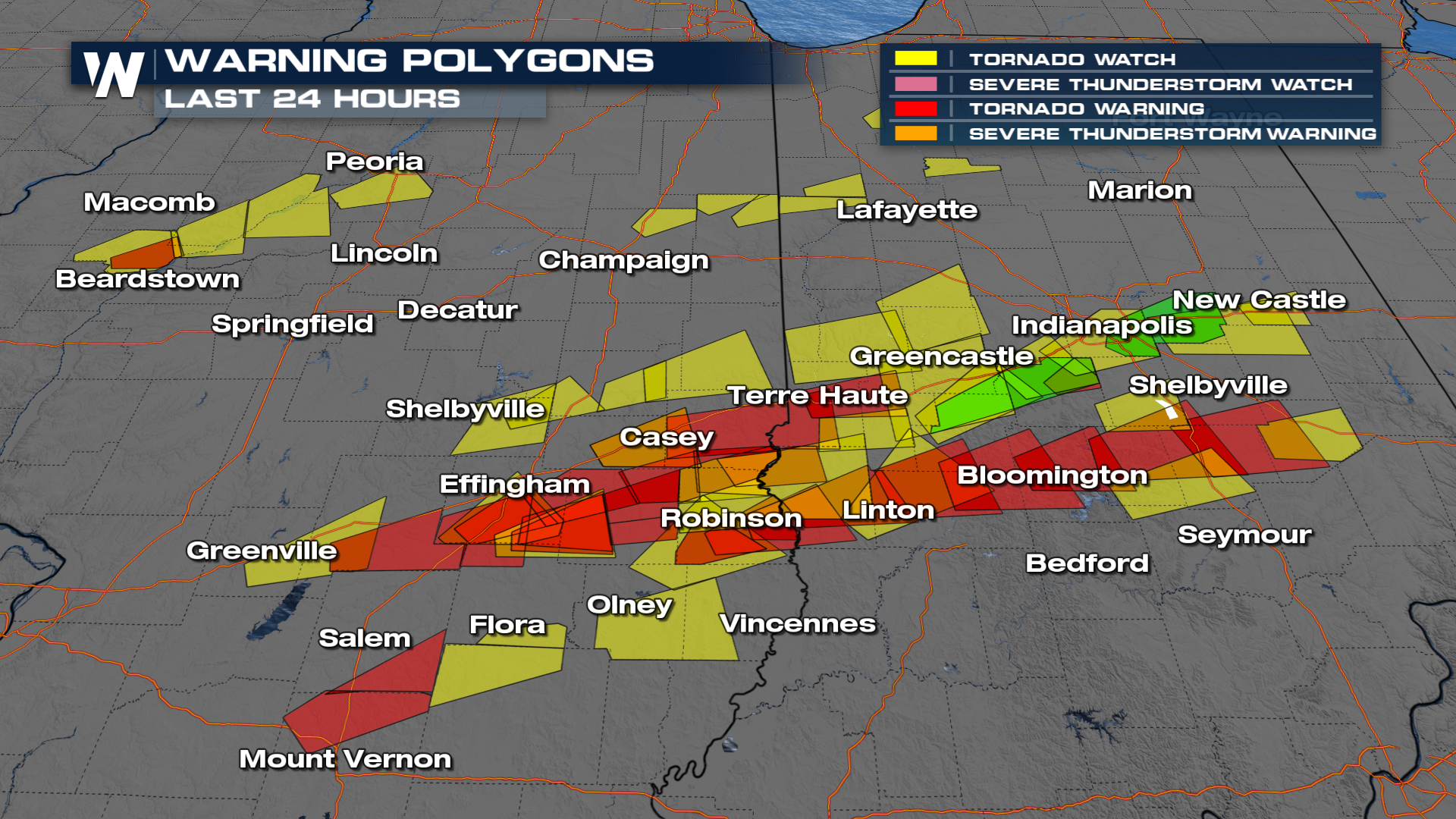
In the broader southwest Illinois region, multiple reports of funnel clouds and touchdowns were documented by storm spotters. The NWS regularly utilizes these trained volunteers to provide ground-truth observations that radar cannot always detect. Residents seeking to understand the criteria used for these classifications can refer to the official NWS guide to the Enhanced Fujita Scale, which outlines how wind speeds are estimated based on observed structural damage.
Safety Protocols and Future Alerts
Emergency management officials stress that while the immediate threat from this specific line of storms has passed, the volatility of the season requires constant vigilance. The Chicago area remains subject to rapid weather shifts, and the NWS advises all residents to maintain a reliable way to receive emergency alerts, such as a NOAA Weather Radio or a verified mobile alert application.
The next phase of the recovery involves the clearing of debris and the completion of safety inspections by local building departments. Residents who sustained property damage are encouraged to document the impact for insurance purposes and to await official clearance before attempting to clear downed lines, which may still be live. For ongoing updates regarding the storm’s aftermath and any further weather advisories, the public is directed to monitor the NWS Chicago severe weather dashboard. We encourage readers to share their observations or local updates in the comments section below as the region continues the recovery process.
Keep reading