Strait of Hormuz Disruptions Expose Western Reliance
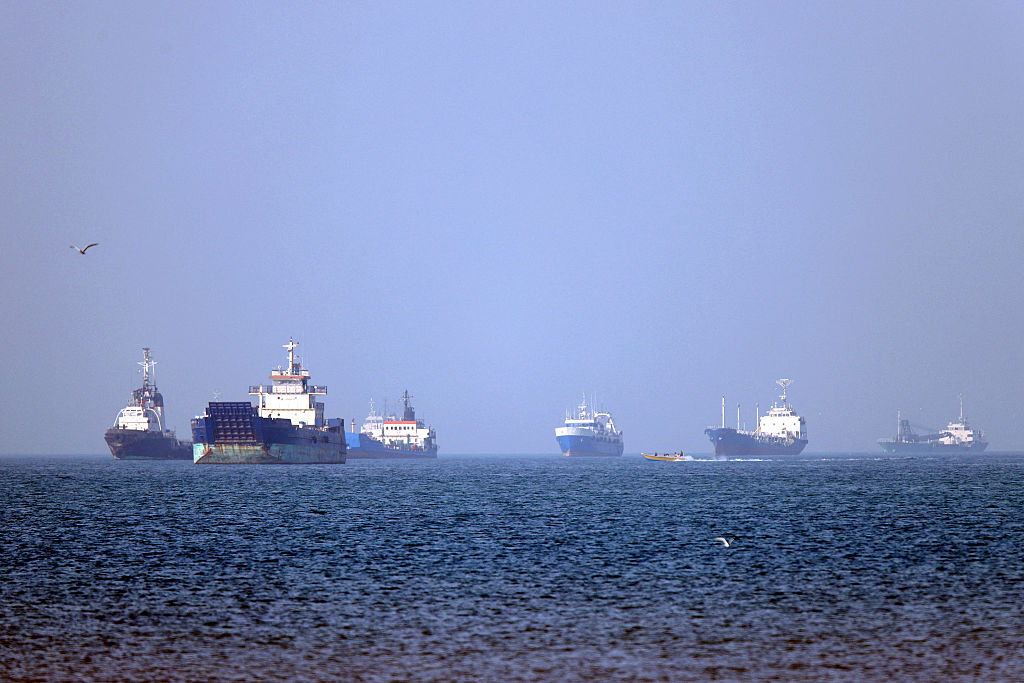
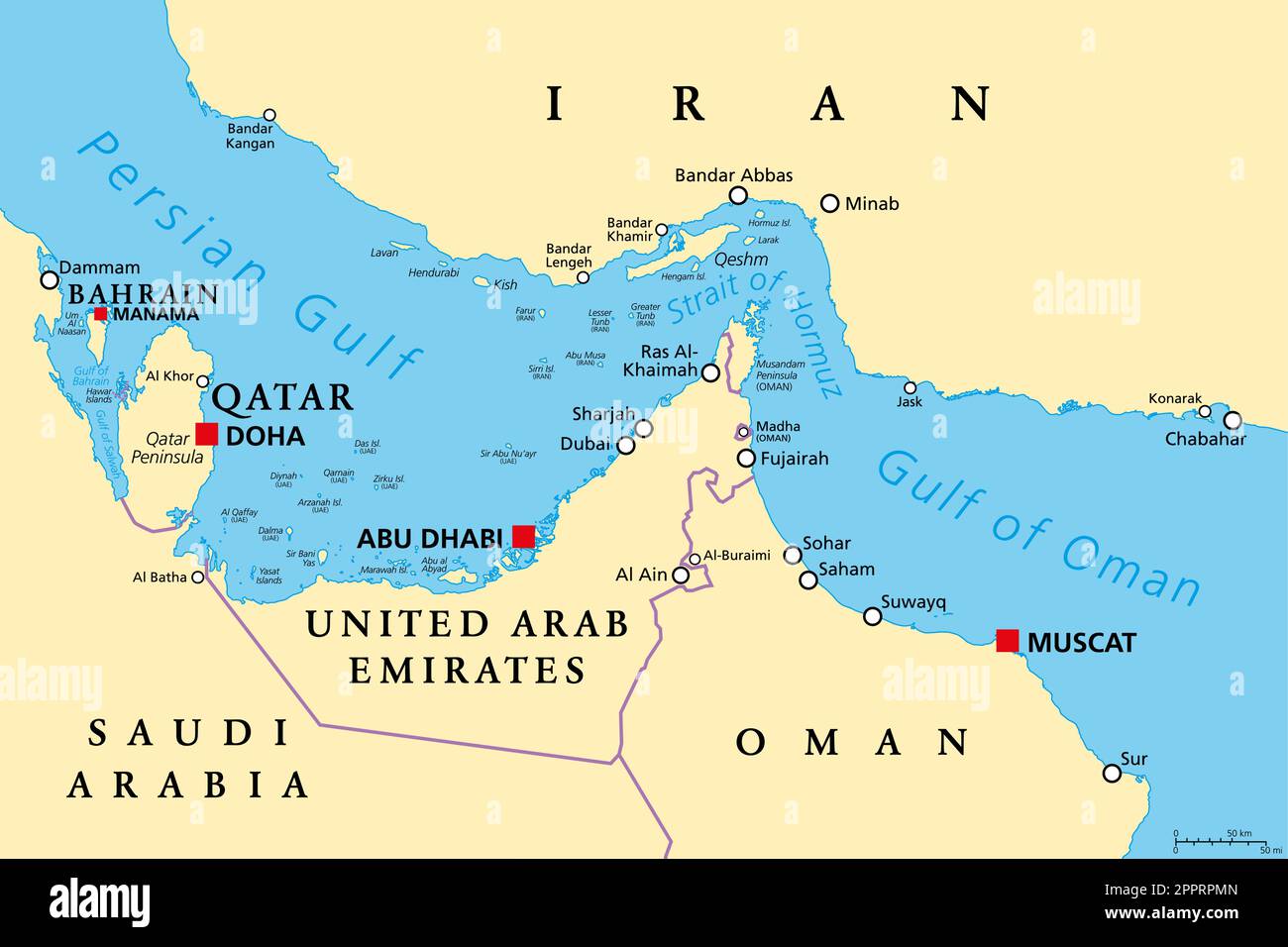
The ongoing maritime crisis in the Strait of Hormuz has laid bare a critical vulnerability in the global energy transition, exposing a heavy reliance on petroleum supply chains that extends far beyond crude oil and natural gas. According to market data from S&P Global, over 40% of Europe’s jet fuel imports originated from the Persian Gulf prior to the disruptions, highlighting how choke points in the Middle East directly dictate fuel availability across Western economies. While international climate policies and public discourse heavily favor the electrification of transport and renewable power generation, energy analysts point out that sectors requiring high-density liquid fuels remain largely exposed to geopolitical shocks.
Airlines Caught Between Rising Costs and Volatile Markets
Energy experts note that while market volatility and soaring prices typically incentivize investments in alternative energy sources, the simultaneous economic uncertainty deters corporations from executing long-term capital commitments. Airlines operating on tighter margins due to elevated fuel costs find themselves poorly positioned to absorb the price premiums associated with low-carbon alternatives without mandatory regulatory frameworks requiring their adoption.
The Narrowing Cost Gap for Sustainable Aviation Fuel
Sustainable Aviation Fuel, an umbrella category encompassing various non-petroleum jet fuel sources derived from recycled cooking oils and plant biomass, has historically traded at three to five times the cost of conventional jet fuel. However, recent supply crunches in the Persian Gulf have narrowed that price gap significantly, bringing alternative blends down to roughly 1.5 to 2 times the cost of standard fossil fuels. Despite this convergence, airline executives remain hesitant to sign multi-year procurement contracts without government mandates, citing extreme financial volatility and unpredictable quarterly overheads.
Refiners Prioritize Risk Mitigation Over Greenfield Expansion
Refiners producing alternative fuels have recorded substantial profit margins during the market turbulence, yet corporate leadership teams indicate a preference for optimizing existing operations over funding greenfield production facilities. During recent quarterly earnings calls, refining executives emphasized risk mitigation over expansion, reacting to unpredictable swings in feedstock costs. Ernie Moniz, a former United States Secretary of Energy who currently leads the Energy Futures Initiative, noted that global markets have struggled to scale affordable, low-carbon liquid alternatives capable of replacing petroleum at volume, stressing that future innovation must prioritize molecular-level fuel replacements.
Fragmented Government Responses Across Industrial Economies
Government responses to the structural fuel deficit remain fragmented across major industrial economies. Policymakers within the European Union have leaned into stricter airline mandates initially signed into law in 2023, though the rules continue to encounter pushback from commercial carriers. Meanwhile, legislative efforts in the United States remain stalled, with targeted tax credits surviving recent legislative adjustments under the Inflation Reduction Act at reduced funding levels. Analysts maintain that tax incentives alone remain insufficient to bridge the infrastructure deficit, arguing that state-level coordination is necessary to secure stable supply chains against future maritime disruptions.