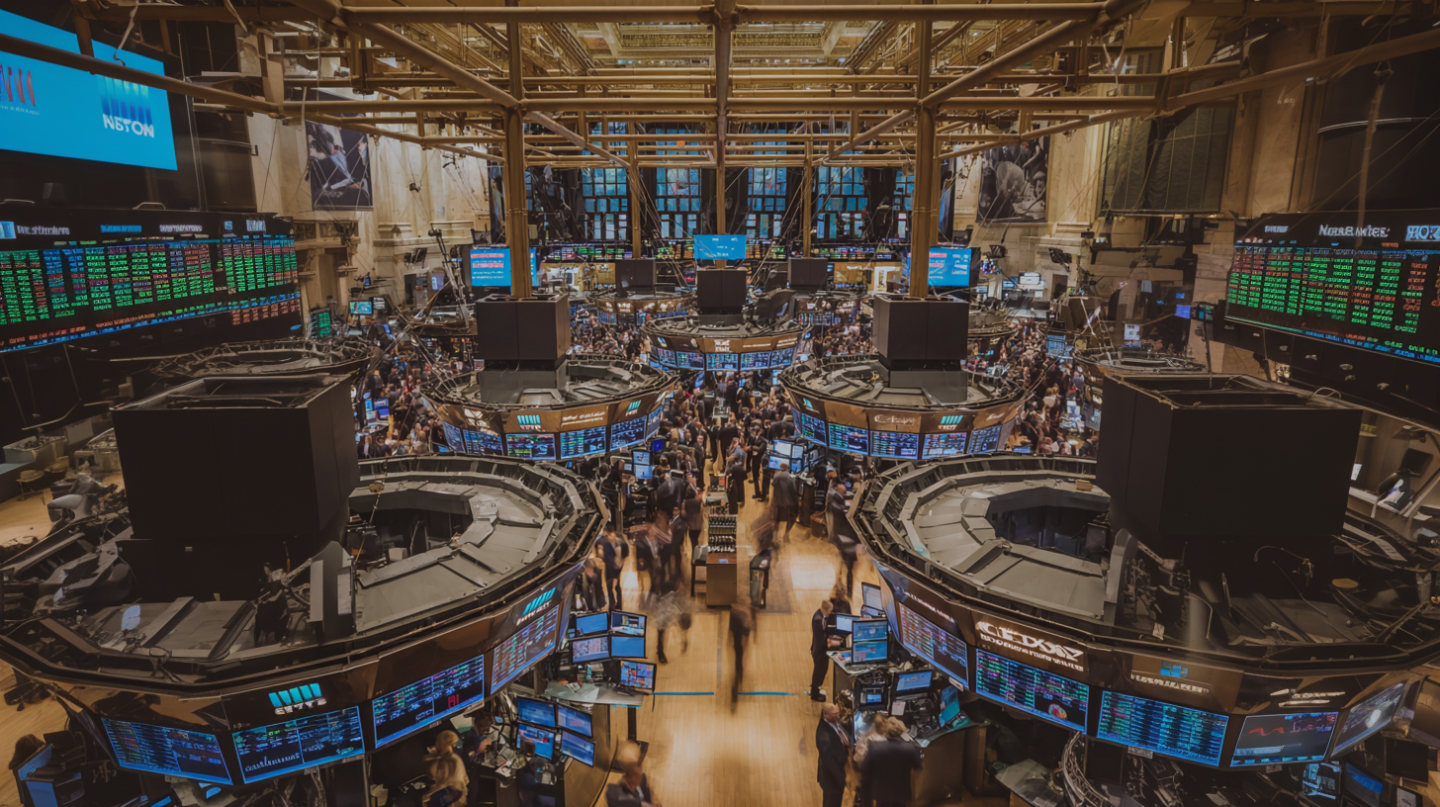
U.S. stocks rose on July 31, 2026, wrapping up a volatile month as a 15% surge in Amazon eased artificial intelligence spending jitters. The Nasdaq gained 1% to 25,373.85, offsetting a 7.4% drop in Apple caused by supply constraints, while oil prices and bond yields climbed amid ongoing inflation concerns.
Wall Street closed out July with a resilient rebound on Friday, July 31, 2026, navigating a turbulent stretch defined by escalating oil prices, central bank dissent, and intense scrutiny over Big Tech’s massive capital outlays. Major indexes finished the session higher, led by a heavyweight performance from e-commerce and cloud giant Amazon, which soothed lingering market anxieties surrounding artificial intelligence infrastructure investments.
Amazon Surge Overcomes Apple Slump to Drive Wall Street Higher
The Standard & Poor’s 500 climbed 0.70% to finish at 7,489.72 points, while the Nasdaq composite rallied 1% to reach 25,373.85 points. The Dow Jones Industrial Average added 276.97 points, or 0.53%, ending the day at 52,485.03 points.
The divergence among market leaders was sharp. Amazon shares surged over 15% following a quarterly report showcasing its strongest revenue growth in over four years, alongside powerful expansion in Amazon Web Services. The performance effectively quelled Wall Street skepticism regarding heavy AI spending. There were worries that Amazon’s spending was just moonshot spending, that it’s irresponsible spending, and (CEO) Andy Jassy just put those fears to bed,
said Jake Dollarhide, CEO of Longbow Asset Management in Tulsa, Oklahoma via Reuters.
Conversely, Apple experienced a steep 7.4% decline, wiping out roughly $373 billion in market capitalization. While Apple beat fiscal second-quarter expectations—buoyed by what CEO Tim Cook described as extraordinary demand
for the iPhone lineup—its forward-looking revenue guidance fell short of expectations according to reporting from Investors. Executives attributed the shortfall to severe component shortages as advanced processors were vacuumed up by the broader artificial intelligence boom.
Bond Yields Rise and Federal Reserve Officials Clash Over Inflation Targets
Away from the trading floors, macroeconomic pressures continued to mount. Yields in the bond market climbed as investors wrestled with persistent inflation risks driven by geopolitical conflict. Treasury note rose to 4.28%, climbing from 3.97% before the onset of the war with Iran apnews.com.

The monetary policy outlook remained contested following the Federal Reserve’s decision to hold interest rates steady. Three regional Federal Reserve bank presidents dissented during the policy meeting, arguing for an immediate interest rate hike to force inflation down to the central bank’s 2% target.
Market analysts pointed out growing credibility challenges for the central bank. Without clarifying why action was or wasn’t taken already, it’s hard to see how statements about being committed to hitting its inflation target aren’t just a bluff,
observed Brian Jacobsen, chief economic strategist at Annex Wealth Management via apnews.com.
Crude Oil Pressures and Global Market Divergences
Energy markets remained a primary engine of inflation anxiety.
International exchanges experienced wild cross-currents. While European equities advanced to fresh record highs supported by corporate earnings—with the pan-European STOXX 600 extending its winning streak to a fourth consecutive month—Asian markets saw dramatic localized surges Eurasiabusinessnews. Notably, Seoul’s Kospi index skyrocketed nearly 18% in a historic single-day rebound, recovering from sharp recent losses tied to the global technology sector’s fluctuating valuations.
Keep reading