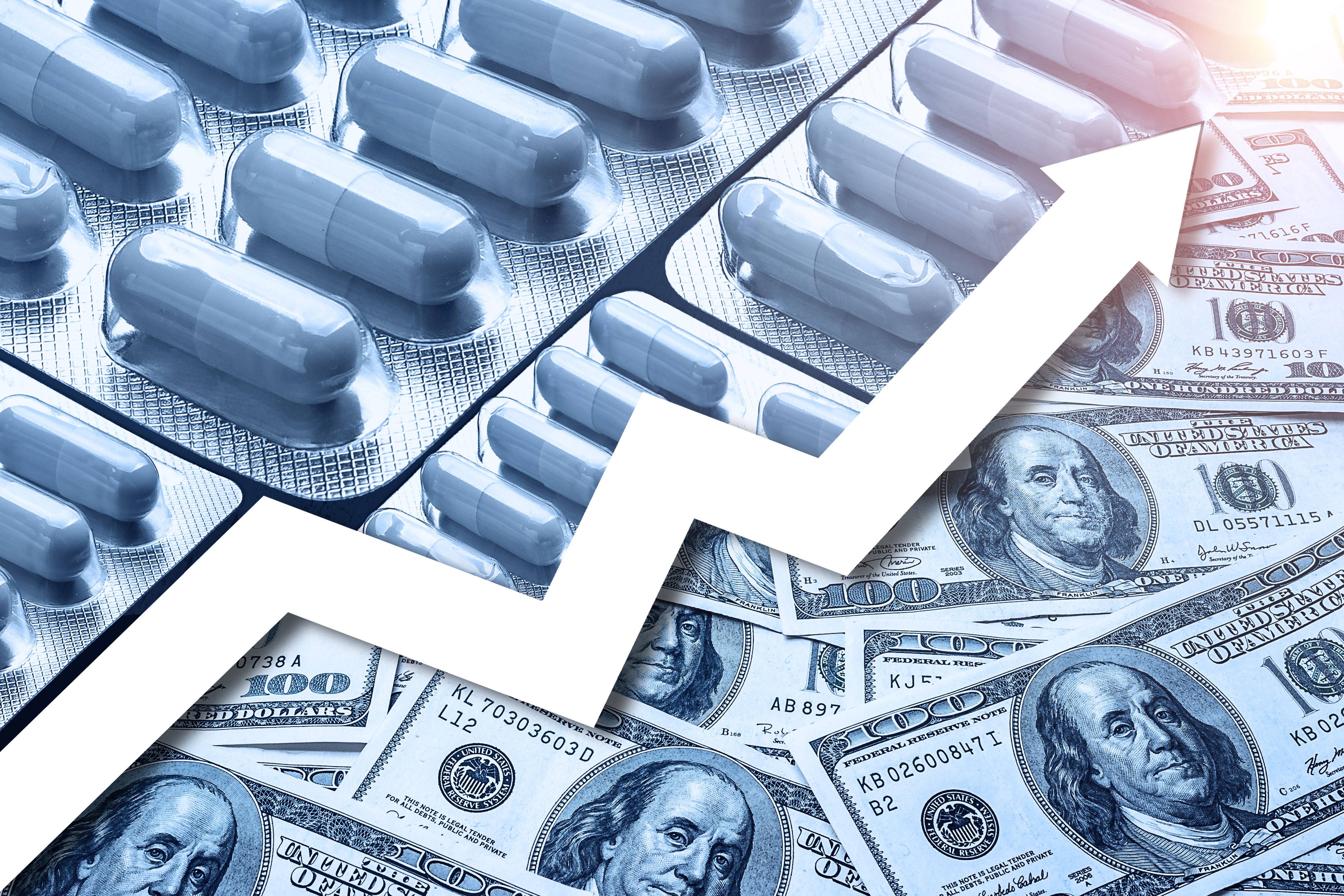
Commercial health insurance premiums are projected to see a 9% increase in 2027, marking the highest medical cost trend in nearly two decades as insurers grapple with rising pharmaceutical expenditures and the integration of artificial intelligence into clinical workflows. This anticipated surge, identified in recent industry analysis, reflects a complex intersection of inflationary pressure, evolving medical technology, and an aging population requiring more intensive care, according to data published by PwC.
For patients and employers, this trend suggests a continued shift toward higher out-of-pocket costs and more restrictive plan designs. As an editor specializing in health policy, I have observed that medical cost trends are rarely driven by a single factor. Instead, they represent a confluence of systemic challenges—from the high cost of specialty medications, particularly GLP-1 agonists for weight loss and diabetes, to the administrative and clinical costs associated with adopting new digital health tools.
The 9% figure represents a significant acceleration compared to previous years. For context, medical cost trends—the projected percentage increase in the cost to treat patients—had remained relatively stable for several years following the initial volatility of the COVID-19 pandemic. However, persistent labor shortages in the healthcare sector and the rising cost of medical supplies have created a “perfect storm” for insurers, according to reports from the Kaiser Family Foundation (KFF), which tracks employer-sponsored insurance trends.
Drivers of the 2027 Healthcare Cost Increase
The primary engine of these rising costs is the pharmaceutical sector. Specialty drugs, which treat complex conditions such as cancer, autoimmune diseases, and obesity, now account for a disproportionate share of health plan spending. According to the U.S. Department of Health and Human Services (HHS), the list prices for many high-utilization specialty drugs continue to rise, placing immense pressure on the pharmacy benefit components of commercial health plans.
While artificial intelligence is often touted as a tool to reduce long-term costs through administrative efficiency and improved diagnostic accuracy, the initial implementation phase is proving expensive. Health systems are investing heavily in infrastructure, data security, and the integration of AI into electronic health records (EHRs). These capital expenditures, while aimed at future savings, are contributing to the immediate cost burden reflected in 2027 plan premiums.
Furthermore, the healthcare workforce remains a critical cost variable. Following the pandemic, hospitals and clinics have faced increased pressure to raise wages to retain nursing and support staff. Because labor costs constitute the largest portion of hospital operating expenses, these increases are inevitably passed on to insurers through higher negotiated rates, a phenomenon documented by the American Hospital Association (AHA).
How AI Adoption Impacts Insurance Premiums
The role of AI in this cost equation is multifaceted. Insurers are increasingly using AI to automate claims processing, detect fraud, and manage care utilization. While these efficiencies can theoretically lower administrative overhead, the upfront costs of developing and training these models are substantial. Additionally, there is a “learning curve” effect where the promise of lower costs has yet to materialize in the form of reduced premiums for the average consumer.
According to research from the American Medical Association (AMA), while AI tools are enhancing clinical decision-making, they also introduce new costs associated with liability insurance, data governance, and the need for specialized personnel to manage these digital systems. For patients, this means that the “AI dividend”—the idea that technology will make healthcare cheaper—remains a long-term goal rather than an immediate reality for the 2027 budget cycle.
What This Means for Employers and Patients
The 9% projected increase is a “trend” figure, meaning it reflects the expected rise in the cost of medical services before plan design changes. Employers, who fund the majority of commercial health insurance in many international markets, typically respond to these projections by shifting more of the cost burden to employees through higher deductibles, increased copayments, or by switching to high-deductible health plans (HDHPs).
Patients should prepare for a landscape where the cost of care continues to outpace general inflation. As reported by the Bureau of Labor Statistics (BLS), medical care services have historically seen higher inflation rates than the broader Consumer Price Index (CPI). For individuals navigating these changes, it is essential to review open enrollment materials carefully and utilize tools provided by insurers to compare the total cost of care—not just the monthly premium.
Future Checkpoints and Policy Developments
The industry will look toward the next round of health plan filings and regulatory updates in early 2026 to see if these projections hold firm. Policymakers are also closely monitoring the impact of the Inflation Reduction Act on drug pricing, which may provide some offsets to the broader cost trends in the coming years. For those interested in tracking these shifts, the Centers for Medicare & Medicaid Services (CMS) regularly publishes reports on national health expenditure projections that serve as a benchmark for the industry.
As we approach 2027, the focus for healthcare stakeholders will be balancing the promise of technological innovation with the reality of financial sustainability. Readers are encouraged to share their experiences with rising healthcare costs in the comments below, as we continue to track how these policy shifts affect global health outcomes.
Worth a look