The government of Quebec is facing heightened scrutiny following a recent performance audit by the Auditor General of Quebec, which identified significant management deficiencies within the province’s battery industry strategy. The report, released in late 2024, highlights systemic gaps in oversight and economic planning, fueling public discourse regarding the long-term viability of the current administration’s industrial roadmap. According to the Auditor General’s findings, the lack of rigorous monitoring mechanisms has exposed the public treasury to risks that were not adequately communicated to the legislature or the public.
As the administration navigates this period of political uncertainty, the findings of the Auditor General have become a focal point for opposition critics and policy analysts alike. The audit suggests that the rapid pace of investment in the battery sector—a cornerstone of the government’s economic policy—was not matched by the necessary due diligence required for large-scale public-private partnerships. This development marks a significant challenge for the ruling party, which has staked much of its electoral mandate on the success of the province’s energy transition initiatives.
Evaluating the Oversight of Industrial Investments
At the center of the controversy is the management of the “filière batterie,” or the battery ecosystem, which has received billions in government subsidies and infrastructure support. The Ministry of Economy, Innovation and Energy has historically defended these investments as essential for positioning the province as a leader in the global electric vehicle supply chain. However, the Auditor General’s report indicates that the return on investment for these projects remains difficult to quantify due to a lack of clear performance indicators.

The auditor’s assessment notes that project selection processes often bypassed standard cost-benefit analyses, which are typical for infrastructure projects of this magnitude. This procedural gap, according to the report, has led to a situation where the government is heavily committed to industrial players without sufficient safeguards to protect taxpayers if market conditions for electric vehicles shift. For citizens, this translates into questions about the transparency of public spending and the long-term sustainability of the province’s fiscal health.
Political Repercussions and Public Trust
The release of the audit has coincided with a decline in public support for the current government in regional polling, leading many analysts to describe the atmosphere as a “fin de régime,” or the twilight of an administration. The political cost of the audit is exacerbated by the fact that the government has long touted its economic management as its primary strength. With the Auditor General’s report providing a concrete critique of administrative failures, the opposition has gained substantial leverage to demand greater accountability.
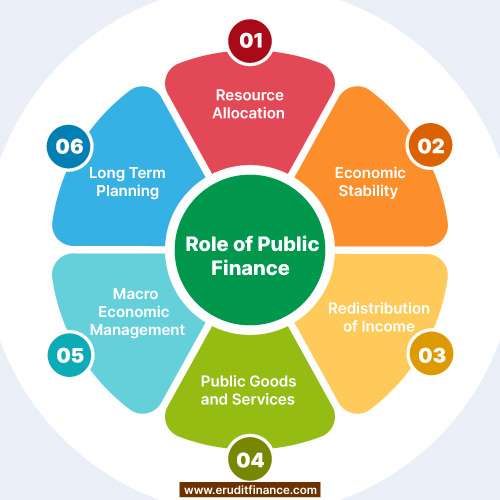
According to the Committee on Public Finance, subsequent hearings are expected to probe the specific decision-making processes that led to the identified management gaps. These sessions are intended to determine whether the cabinet was fully informed of the risks highlighted by the audit and why those risks were not mitigated. The government’s response to these inquiries will likely shape its legislative agenda for the remainder of its mandate.
Economic Risks and Future Outlook
The uncertainty surrounding the battery sector is not merely a political issue; it carries tangible economic implications. As global competition in the battery market intensifies, the cost of raw materials and the demand for specific battery chemistries continue to fluctuate. Critics argue that the government’s reliance on a single industrial strategy leaves the province vulnerable to international market volatility. The Investissement Québec annual reports, while optimistic about long-term growth, acknowledge that these projects require sustained capital infusion, which now faces increased legislative skepticism.

To address the concerns raised, the government has announced a review of its internal project oversight protocols. Whether these measures will be sufficient to restore confidence remains to be seen. The next significant checkpoint for this issue will be the publication of the follow-up progress report by the Auditor General, which is scheduled for the next fiscal cycle. This document will verify if the recommended corrective actions have been implemented or if the management failures persist.
The public is encouraged to monitor the official records of the National Assembly for transcripts of upcoming committee hearings and to review the latest Auditor General of Quebec publications for updates on the implementation of these recommendations. Further analysis and ongoing coverage of this evolving situation will continue to be provided as new data becomes available.
Keep reading