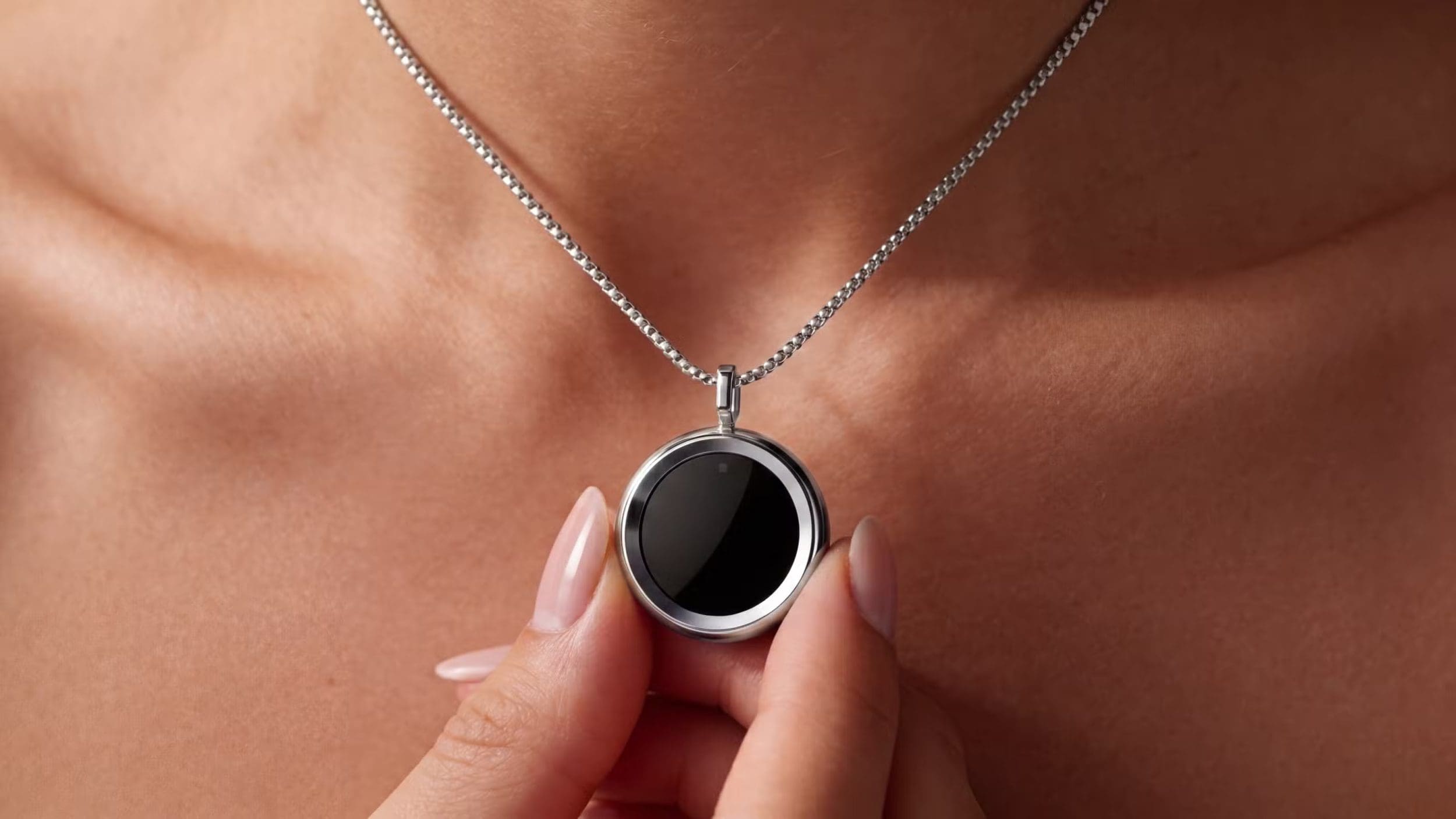
A new category of wearable technology is entering the market, designed to provide real-time data on personal ultraviolet (UV) radiation exposure. These smart pendants aim to help users track sunlight intake throughout the day, offering a digital approach to skin health management. As dermatologists emphasize the importance of monitoring sun exposure to reduce the risk of skin damage, these devices represent a shift toward integrating health-conscious sensors into everyday accessories.
The core functionality of these smart pendants relies on integrated UV sensors that communicate with smartphone applications via Bluetooth. By measuring the intensity of ambient UV rays, the devices alert users when they have reached a specific threshold of sun exposure. According to the World Health Organization, excessive exposure to UV radiation is a primary environmental factor linked to skin cancers and cataracts, making personal monitoring tools a point of interest for public health advocates and tech consumers alike.
How UV Monitoring Wearables Function
At the hardware level, these smart pendants utilize photodetectors calibrated to specific wavelengths within the ultraviolet spectrum. Unlike traditional UV index forecasts, which provide a general regional estimate, these wearables measure exposure based on the user’s immediate environment. The data is processed by an onboard microcontroller and transmitted to a mobile application, which translates the raw sensor input into actionable advice, such as a reminder to reapply sunscreen or seek shade.

For users in regions like Romania, where summer UV indices can frequently reach high levels, these devices provide a localized feedback loop. The accuracy of these sensors is contingent upon their placement; because they are worn as jewelry, their effectiveness depends on whether they are obscured by clothing or positioned to capture direct sunlight. Experts note that while these devices provide helpful benchmarks, they should supplement, rather than replace, standard sun protection practices such as wearing protective clothing and using broad-spectrum sunscreen with a high SPF, as recommended by the American Academy of Dermatology.
Technological Integration and User Privacy
The integration of health-tracking sensors into fashion-forward hardware presents unique challenges in data management. Most manufacturers require users to create profiles within proprietary applications to store historical exposure data. As with other wearable health devices, privacy concerns regarding the collection of location and biometric data remain a central theme in the industry. Users are encouraged to review the privacy policies of any wearable device to understand how their environmental exposure data is stored, shared, or anonymized.
Connectivity standards for these pendants typically follow Bluetooth Low Energy (BLE) protocols, ensuring minimal battery consumption while maintaining a persistent link to the user’s smartphone. This allows for push notifications that alert the user in real-time. According to industry reports on the wearable electronics market, the demand for non-intrusive health monitors is growing as consumers seek out technology that fits seamlessly into their daily lives without requiring the constant attention associated with fitness trackers or smartwatches.
Limitations and Clinical Context
It is important for consumers to recognize the limitations of smart jewelry in a clinical context. A wearable pendant measures UV intensity at the point of the sensor, which may not accurately reflect the exposure of other parts of the body. Furthermore, these devices do not account for individual skin phototypes—the biological classification of how a person’s skin reacts to UV radiation. The Skin Cancer Foundation continues to emphasize that individual sensitivity varies significantly, and technology should be used as a supplementary awareness tool rather than a definitive medical diagnostic device.

As these products continue to evolve, future iterations may incorporate more advanced sensors capable of measuring wider light spectrums or integrating with existing health platforms like Apple Health or Google Fit. For now, the market is focused on providing accessible, easy-to-understand metrics for the general public, aiming to demystify the invisible risks associated with prolonged sun exposure.
Next Steps for Consumers
Those interested in adopting UV-monitoring technology should monitor upcoming product certifications and reviews from reputable tech testing organizations. As of mid-2024, there are no specific international regulatory mandates requiring smart jewelry to meet medical-grade accuracy standards, meaning performance may vary significantly between brands. Consumers should look for devices that provide transparent documentation regarding their sensor calibration and data encryption practices.

For official guidance on sun safety and current UV index information, residents are encouraged to consult their national meteorological services or local health ministries. If you have experience with wearable UV monitors or have questions about how these devices integrate with your current health-tracking setup, please share your thoughts in the comments section below.
Worth a look