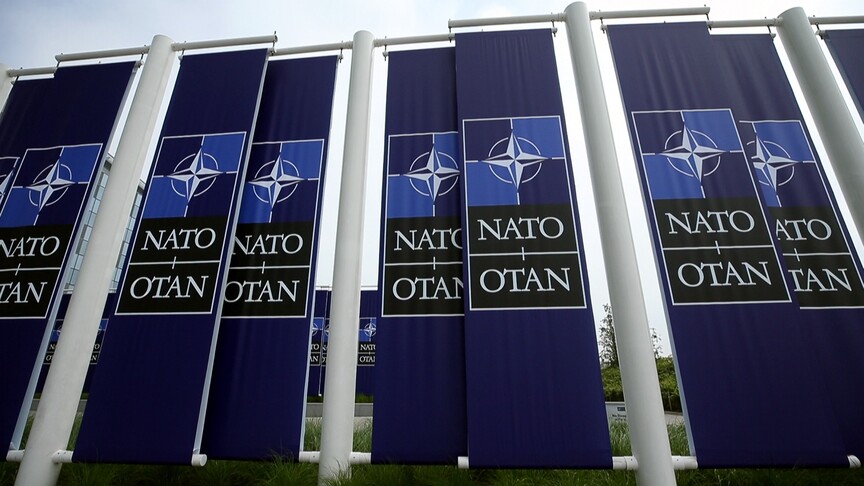
Turkish authorities are implementing high-level security measures in Ankara ahead of upcoming diplomatic engagements, as the nation prepares to host international delegates for discussions on regional and collective defense. The mobilization follows a series of high-level meetings organized by the Turkish Presidency’s Directorate of Communications, specifically focused on the theme of “Shaping the Future of Euro-Atlantic Security,” according to official government reporting from TRT Haber.
These security protocols are part of a broader strategy to ensure the safety of visiting officials and the continuity of diplomatic dialogue within the capital. While specific operational details remain classified for security reasons, local authorities have signaled that the measures will involve increased police presence, traffic management, and surveillance across key administrative districts in Ankara. The focus remains on maintaining stability during periods of intense international diplomatic activity, a priority frequently emphasized by the Turkish Ministry of Interior in its public safety briefings.
Strategic Importance of Diplomatic Hosting in Ankara
Ankara has increasingly served as a central hub for NATO-related discussions, reflecting Turkey’s role as a key member of the alliance. The recent focus on “Shaping the Future of Euro-Atlantic Security” highlights the government’s objective to position the capital as a venue for resolving complex geopolitical challenges. According to reports from Anadolu Agency, these meetings are designed to foster cooperation among member states regarding emerging threats, including cyber warfare, regional instability, and the evolution of collective defense doctrines.
The diplomatic significance of these gatherings is underscored by the participation of senior government officials and policy analysts. By hosting these sessions, Turkey aims to influence the strategic agenda of the alliance, reinforcing its position as a bridge between European and Middle Eastern security interests. The necessity for heightened security is a standard component of these high-stakes diplomatic events, ensuring that the focus remains on policy outcomes rather than logistical disruptions.
Security Protocols and Public Impact
The implementation of security measures involves coordination between the Turkish National Police and municipal authorities. Residents and visitors in Ankara can expect temporary road closures and increased identity checks in areas surrounding government buildings and designated hotels. These actions are consistent with standard operating procedures for hosting international summits, which require strict adherence to international protection protocols for high-ranking diplomats and military officials.
Authorities have indicated that these measures are proactive. The goal is to mitigate potential risks that often accompany large-scale international gatherings. While local media outlets have reported on concerns regarding the activity of organized crime groups, the Ministry of Interior maintains that dedicated task forces are operating to neutralize threats before they can impact public order or diplomatic proceedings. The government’s commitment to maintaining a secure environment is documented in the official legislative framework governing public safety and international event management.
Future Developments and Official Updates
The schedule for upcoming NATO-related events remains subject to diplomatic coordination. Officials have advised the public to monitor official channels from the Turkish Presidency and the Ministry of Foreign Affairs for real-time updates regarding traffic advisories or public access restrictions. The next phase of these diplomatic dialogues is expected to be announced following the conclusion of current preliminary sessions, as per standard administrative practices for such international summits.
For those seeking verified information, the official NATO website provides the most reliable source for the alliance’s operational schedule and official statements regarding summit locations and agendas. Maintaining awareness of these official sources is recommended to distinguish confirmed event details from speculative reports. We invite readers to share their thoughts on the evolving role of diplomacy in regional security in the comments section below.
Related reading