
Italian businesses seeking to optimize their financial management ahead of the 2026 fiscal cycle are increasingly looking toward the monetization of research and development tax credits. By leveraging the “Credito R&S” framework, companies can transform these fiscal assets into immediate liquid capital through F24 tax offset mechanisms or secondary market transfers, a strategy designed to stabilize cash flow in a high-interest rate environment. According to the Ministero delle Imprese e del Made in Italy (MIMIT), the certification of R&D costs is a mandatory prerequisite for accessing these benefits securely, ensuring that firms adhere to current national legislative standards regarding innovation incentives.
The transition toward more flexible liquidity management comes as Italian firms navigate a complex triennial calendar for tax credit utilization. For many small and medium-sized enterprises (SMEs), the ability to convert R&D investments into cash is not merely an accounting exercise but a vital tool for operational solvency. Financial analysts note that the secondary market for these credits has matured, allowing businesses to sell their receivables to banking institutions or specialized financial intermediaries, provided the underlying investment projects meet specific innovation criteria as defined by the Agenzia delle Entrate.
Understanding the Mechanics of R&D Credit Monetization
The primary mechanism for utilizing R&D tax credits involves the F24 form, which allows companies to offset tax liabilities against the credits earned from certified innovation activities. When a company determines that its tax liability is insufficient to fully absorb the credit, the option to transfer the credit becomes a significant strategic maneuver. Under current Italian regulations, these transfers are subject to strict due diligence processes, particularly regarding the certification of MIMIT-compliant technical documentation.
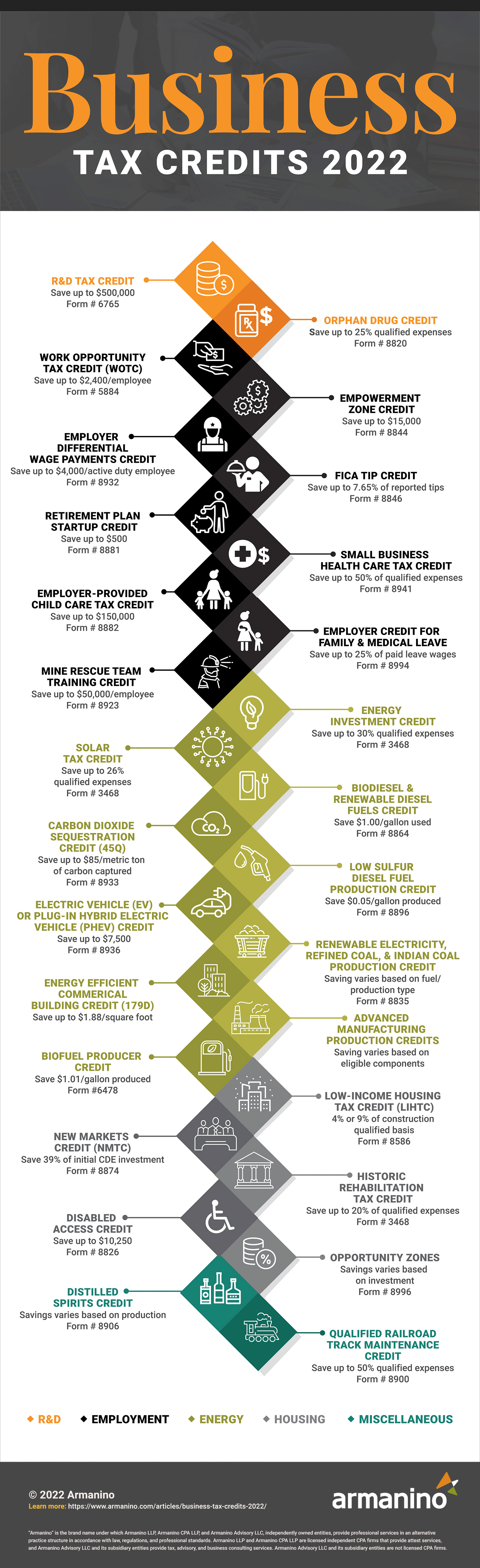
Market participants often evaluate the “fair market value” of these credits based on the discounting rates applied by financial institutions. While the nominal value of the credit remains constant, the actual liquidity received by the business is reduced by the cost of the transfer service and the perceived risk profile of the underlying R&D project. Since 2023, the Italian government has tightened reporting requirements to prevent misuse, necessitating that all R&D investments be verified by independent auditors to ensure they qualify for the 2026 incentive window.
Strategic Planning for the 2026 Fiscal Cycle
The triennial outlook for 2026 requires firms to align their innovation roadmaps with their liquidity needs. Companies that plan their R&D spending in conjunction with tax credit certification cycles can effectively bridge gaps in their working capital. According to guidelines published by the Ministry of Enterprises, the certification process acts as a “safe harbor” for taxpayers, protecting them from future audits regarding the eligibility of their research activities.
This approach requires a proactive synchronization between the technical department—which documents the R&D activity—and the finance department, which manages the fiscal filing. By securing MIMIT certification early in the fiscal year, businesses gain a higher degree of certainty when negotiating the sale of credits on the secondary market. This certainty is increasingly valued by investors who are tasked with evaluating the quality of these tax assets in an evolving economic landscape.
Impact of Regulatory Changes on Credit Liquidity
Recent shifts in the regulatory landscape have emphasized the importance of transparency in the valuation of tax credits. The Agenzia delle Entrate has indicated that increased oversight is intended to ensure that only genuine innovation projects benefit from public subsidies. For businesses, this means that while the path to liquidity via F24 or credit transfer is open, the documentation burden has increased significantly compared to previous years.
Experts suggest that companies failing to maintain robust, audit-ready files for their R&D projects face a higher risk of credit rejection or clawback actions. Consequently, the “value” of a credit is now intrinsically linked to the quality of its supporting documentation. Firms that invest in professional certification services often find that the cost of compliance is offset by the speed and reliability with which they can convert their R&D tax credits into cash.
Next Steps for Business Compliance
For firms preparing for the 2026 reporting cycle, the immediate priority is to review the current MIMIT guidelines and verify that all ongoing projects meet the necessary technical criteria. The next major checkpoint will involve the publication of updated circulars from the Italian Revenue Agency, which will outline the specific reporting deadlines for the upcoming fiscal year. Business leaders are encouraged to monitor the official MIMIT portal for updates regarding certification procedures and to consult with tax professionals to ensure their internal processes remain aligned with current legislative requirements. Readers are invited to share their experiences with the credit certification process in the comments section below.
Keep reading