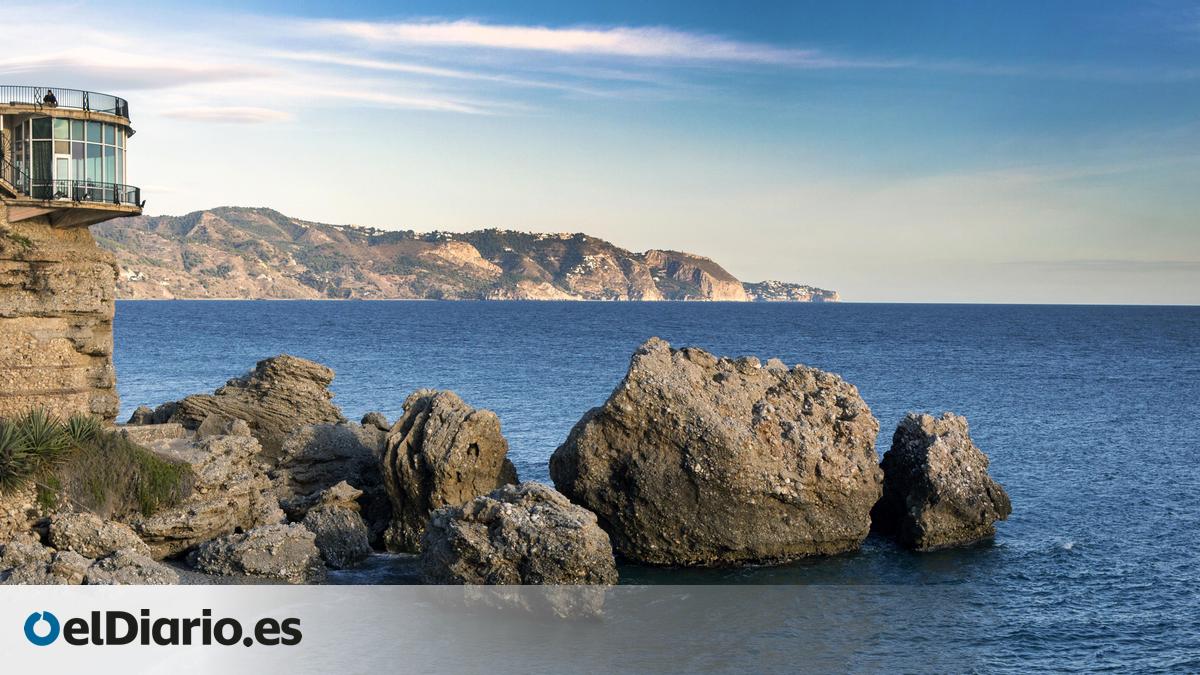
Nerja, a coastal municipality located in the Axarquía region of Málaga, serves as a significant destination for travelers seeking a blend of prehistoric archaeological heritage and traditional Andalusian gastronomy. Situated on the eastern edge of the Costa del Sol, the town is defined by its proximity to both the Mediterranean Sea and the Sierra de Almijara mountain range, a geography that has historically shaped its development as a maritime and cultural hub, according to the Fundación Cueva de Nerja.
The town’s urban design remains largely accessible for pedestrians, characterized by traditional whitewashed houses, historic plazas, and panoramic viewpoints. While the coastal scenery is a primary draw for visitors, Nerja’s cultural significance is anchored by the Cueva de Nerja, a major archaeological site that provides insight into human occupation dating back thousands of years. The site, which holds the status of a Bien de Interés Cultural (Cultural Property of Interest) since 2006, serves as a focal point for understanding the region’s historical trajectory.
The Archaeological Significance of the Cueva de Nerja
The Cueva de Nerja is widely recognized for its extensive archaeological sequence, which documents human activity across the Paleolithic, Epipaleolithic, and Neolithic periods. Discovered on January 12, 1959, by a group of local youths, the site was opened to the public in 1960 following initial stabilization efforts. Research conducted at the site has identified remnants of daily activities, including the production of stone and bone tools, decorative objects, and evidence of food preservation techniques, as reported by the official site management.
Beyond its geological formations, the cave contains significant examples of prehistoric art, including paintings and engravings distributed throughout various chambers. Archaeologists have also identified evidence of ancient lighting systems, such as small alcoves where resinous wood was placed to illuminate the space. Today, the cave remains a protected site, with visitor access restricted to specific areas to ensure the preservation of its fragile environment and historical artifacts.
Historical Landmarks and Urban Heritage
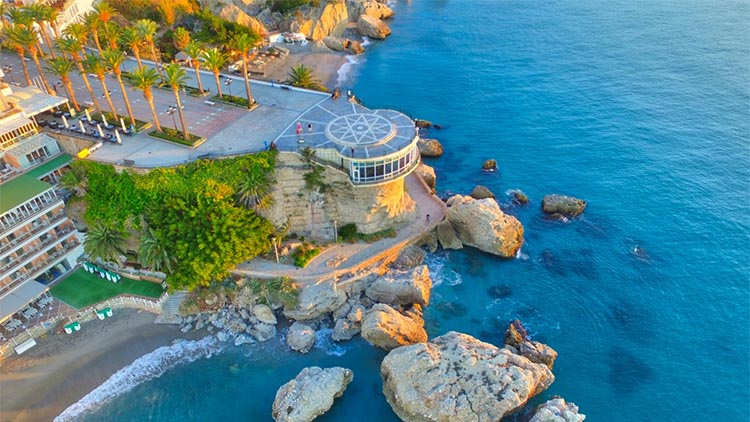
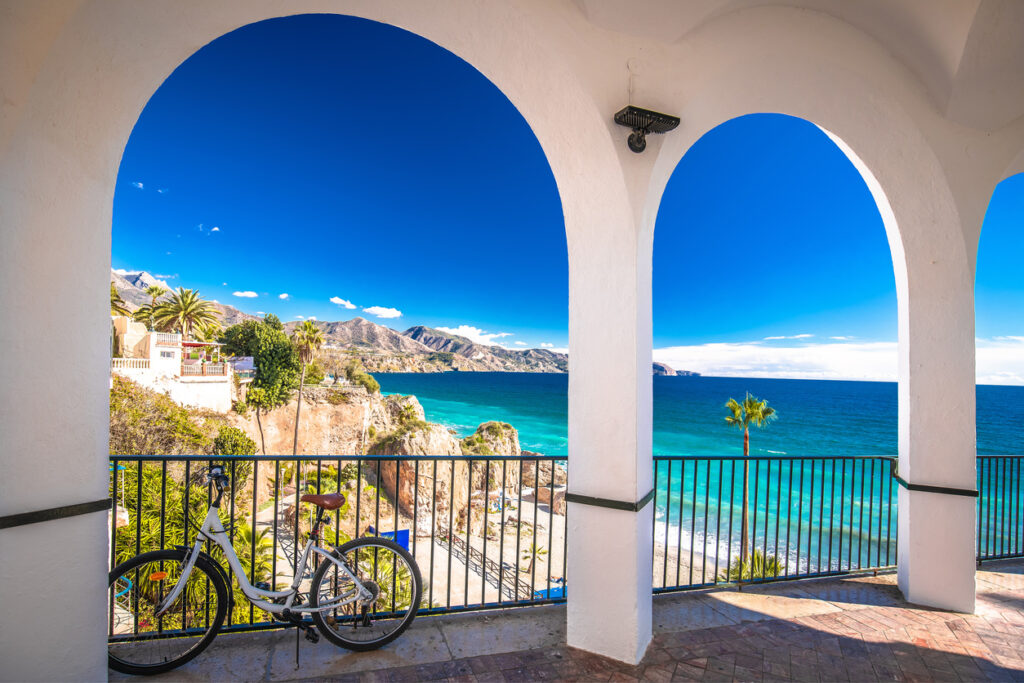
The town’s urban landscape is dominated by the Balcón de Europa, a prominent viewpoint that offers expansive vistas of the Mediterranean. This structure stands on the site of former defensive fortifications, including a medieval castle that was destroyed during the Peninsular War in the early 19th century. The name of the viewpoint is traditionally attributed to King Alfonso XII, who visited the area following the devastating earthquakes of 1884 and 1885, as documented in regional historical records.
Nerja’s religious architecture reflects its long-standing traditions, with the Church of the Saviour (Iglesia del Salvador) serving as a primary landmark. Constructed in the late 17th century, the church is noted for its mudéjar-style coffered ceiling. Similarly, the Hermitage of Our Lady of Sorrows (Ermita de Nuestra Señora de las Angustias) dates back to the same period. In contrast to these historic sites, the Parque Verano Azul, inaugurated in 2001, commemorates the 1980s television series filmed in the town, featuring a replica of the vessel “La Dorada” associated with the character Chanquete.
Gastronomic Traditions of the Axarquía Coast
The culinary identity of Nerja is closely tied to its Mediterranean location, emphasizing fresh seafood and traditional Andalusian preparation methods. One of the most iconic local dishes is the espeto, which involves skewering sardines or other fish on cane and roasting them over an open wood fire on the beach. This method is a staple of the Málaga coastline and remains a central feature of local dining, according to the Málaga Provincial Council.
Beyond seafood, the region is known for ajoblanco, a cold soup made from almonds, garlic, olive oil, bread, and vinegar, typically served with grapes or melon. For those preferring meat-based dishes, cabrito a la nerjeña—a stew prepared with goat meat, almonds, fried bread, garlic, and dried peppers—highlights the intersection between the coastal cuisine and the agricultural traditions of the inland Axarquía region. These dishes reflect a historical reliance on local, seasonal ingredients that continues to define the town’s gastronomic reputation.
Visitor Experience and Accessibility
Nerja’s compact city center allows visitors to navigate between key landmarks, beaches, and dining establishments without extensive travel. Playa de Burriana, a beach stretching approximately 700 meters, is among the most frequented due to its comprehensive service facilities and accessibility. Directly beneath the Balcón de Europa lies Calahonda beach, which is highly regarded for its proximity to the town’s commercial heart.

Travelers planning a visit are encouraged to check the official Nerja Municipal Website for current information on site access, seasonal events, and updated public health guidelines. As of the latest reports, the town continues to balance its growth as a popular tourist destination with the ongoing preservation of its archaeological and cultural assets.
For further updates regarding regional heritage site operations, monitor the official announcements from the Junta de Andalucía’s Department of Culture. Please share your thoughts or travel experiences in the comments section below.
Related reading