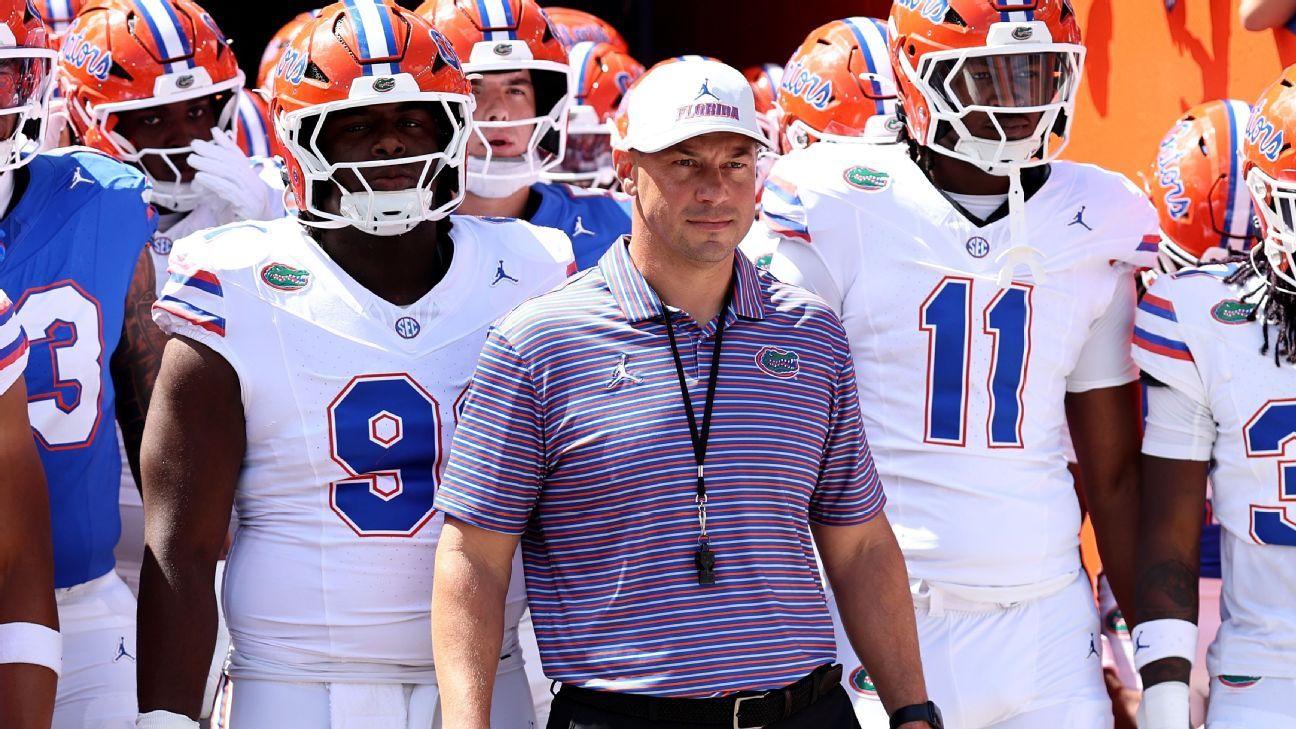
The 2027 recruiting class rankings are beginning to take shape as college football programs intensify their efforts to secure early commitments from top-tier high school talent. Among the coaches currently setting the pace in this early cycle is Jon Sumrall, whose leadership at Tulane University has drawn significant attention from scouts and analysts monitoring the development of future collegiate prospects. As programs across the country scramble to establish relationships with student-athletes, the 2027 recruiting cycle is emerging as a critical window for teams looking to bolster their long-term depth charts through early evaluation and engagement.
Recruiting, by its nature, is a fluid process that relies on a mix of scouting reports, athletic camp performance, and academic evaluation. According to data tracked by On3 Sports, the landscape for the 2027 class is currently dominated by major programs that have dedicated significant resources to identifying prospects before they enter their junior years of high school. While rankings fluctuate as players develop, the initial interest shown by coaching staffs often serves as a barometer for which schools are positioned to land the most coveted recruits in the coming years.
Strategic Early Engagement in the 2027 Recruiting Cycle
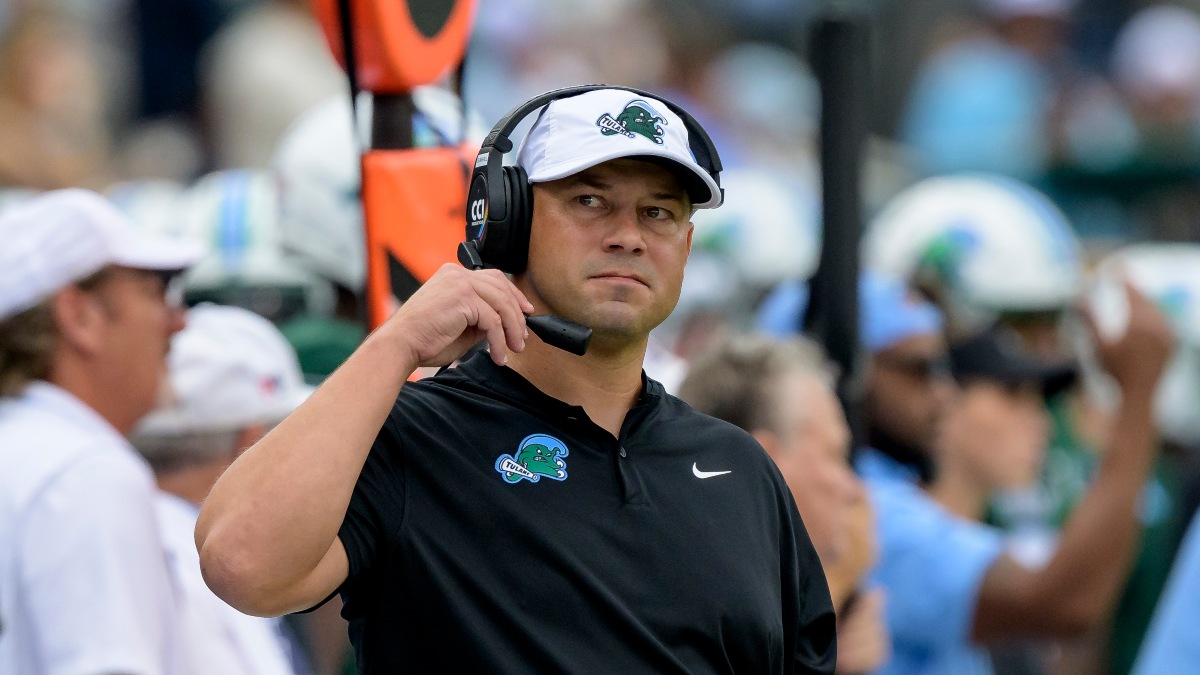
The intensity of the 2027 recruiting race stems from a shift in how coaching staffs approach talent acquisition. In recent cycles, the timeline for verbal commitments has moved progressively earlier, forcing recruiters to scout athletes as early as their freshman year of high school. Jon Sumrall’s approach at Tulane has been characterized by active participation in regional scouting circuits, ensuring that the program remains visible to prospects throughout the Gulf Coast region. This proactive stance is essential for mid-major programs that must compete with larger institutions for talent.
According to 247Sports, the emphasis on building personal relationships remains the cornerstone of Sumrall’s recruiting philosophy. By engaging with families and high school coaches early, programs can establish a level of trust that often persists even as larger schools enter the fray later in the process. This strategy is not unique to Tulane, but it is being executed with a level of consistency that has allowed the program to remain competitive despite the financial disparities inherent in the modern landscape of college athletics.
How Recruiting Rankings Influence Program Momentum
While recruiting rankings are often viewed as subjective, they play a tangible role in a program’s ability to generate momentum. A high ranking in the early stages of a cycle can serve as a validation of a coach’s vision, which in turn attracts further interest from other high-level recruits. According to the NCAA recruiting calendar, there are specific periods during which coaches are permitted to have contact with prospective student-athletes. Navigating these rules while maintaining a consistent message is a primary challenge for any coaching staff.
For the 2027 class, the focus remains on physical development and academic eligibility. Scouts look for measurable metrics—such as 40-yard dash times, vertical jumps, and bench press strength—to project how a player might transition to the collegiate level. Programs that successfully integrate data analytics into their scouting process, as noted by ESPN, are often the ones that sustain high rankings throughout the multi-year cycle.
The Role of Coaching Stability in Prospect Selection
One of the most significant factors influencing a recruit’s decision is the perceived stability of the coaching staff. In an era of frequent coaching changes and the impact of the transfer portal, prospects are increasingly wary of committing to a school where the leadership might not be there by the time they enroll. Jon Sumrall’s tenure at Tulane, which began in December 2023 following his successful stint at Troy, provides a sense of continuity that is highly valued by recruits, according to reports from Sports Illustrated.
When a head coach demonstrates a clear plan for the program’s trajectory, it mitigates the uncertainty that often plagues the recruitment process. For the 2027 class, the ability of a coach to articulate a long-term plan is as important as the facilities or the conference affiliation. As the cycle progresses, the programs that can maintain this stability while simultaneously upgrading their rosters through the transfer portal and high school recruiting will likely be the ones atop the final rankings.
Key Factors Shaping the 2027 Class
- Geographic Focus: Programs are doubling down on “home-state” talent to build a foundation before expanding their reach nationally.
- Early Exposure: The rise of specialized camps and 7-on-7 leagues has allowed for earlier evaluation of prospects.
- Transfer Portal Integration: Coaches must now balance the immediate needs of the roster with the long-term development of high school signees.
- Academic Alignment: With stricter academic standards, early recruitment allows schools to identify prospects who are on track to qualify for admission.
The next major checkpoint for the 2027 recruiting class will be the upcoming summer camp season, where many prospects will have their first opportunity to perform in front of college coaching staffs in a controlled environment. These camps often serve as the primary catalyst for the first wave of scholarship offers. As the recruiting landscape continues to evolve, fans and analysts can expect further updates on these rankings as players reach key milestones in their high school careers. We encourage readers to share their thoughts on the current state of recruiting in the comments section below.

Worth a look